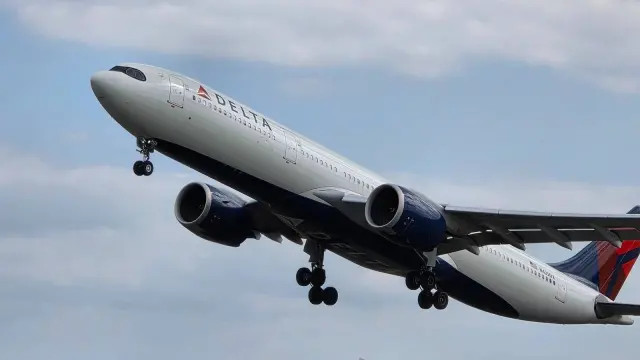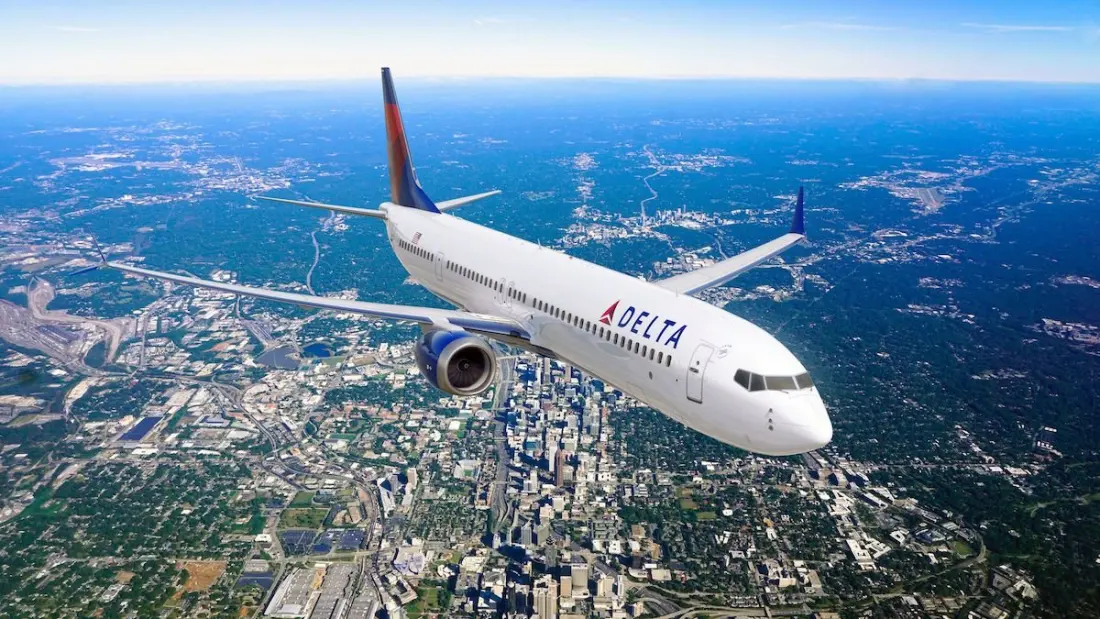
Boeing's long certification drought looks close to ending. Just weeks after the FAA greenlit the 737 MAX 7, Reuters reports that the larger 737 MAX 10 could receive its certification before the end of September — a timeline Alaska Airlines is apparently banking on, and one that matches Boeing CEO Kelly Ortberg's recent comments that approval is coming "very soon".
Alaska matters here because it's expected to be the US launch operator for the type (Canada's WestJet will be first globally). But don't rush to book: certification of the airframe isn't the finish line. Alaska still has to complete work on the pilots' heads-up display, a process that could take a few more months, and the airline is targeting April or May 2027 for the first revenue flight.
Why should a passenger care about a certificate? Because the MAX 10 is the biggest, densest-capacity version of the 737 family, and it boasts the best per-seat economics of any Boeing narrow body ever built. That's why nearly 1,500 of them are on firm order. In the US alone, Alaska, American, Delta and United have each ordered at least 100. Add big commitments from Ryanair, WestJet, Pegasus and Akasa Air, and this plane is set to become a workhorse on short and medium routes worldwide.
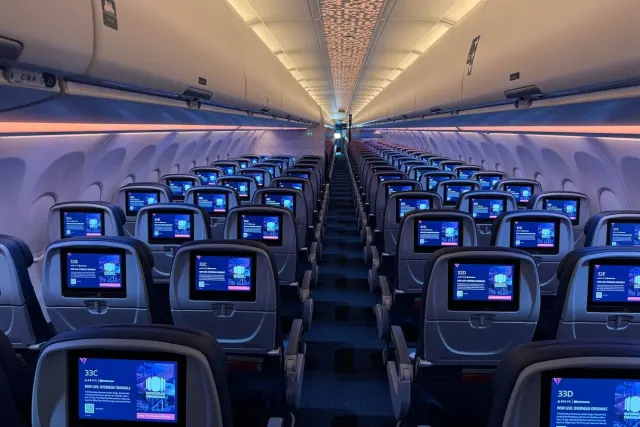
The interesting part for flyers is how airlines use the extra space. The plane can hold well over 200 seats, but American and Delta have already said they'll each fit at least 24 first class seats — more premium seating than on any of their previous narrow bodies. The expectation is generous extra-legroom sections too, with US carriers likely staying under 200 total seats so they can keep crews at four flight attendants. In other words: more domestic first class and better legroom options on everyday routes, not just sardine cans.
There's a caveat worth knowing. Bigger planes only pay off if airlines can fill them. Southwest, notably, has ordered none — it stuck with the smaller MAX 7 and MAX 8 — and several US ultra low cost carriers have struggled after upsizing their fleets and then failing to sell the extra seats. Whether the MAX 10 becomes a premium flyer's friend or a capacity problem depends entirely on execution.
For anyone booking US domestic travel from mid-2027 onwards, the practical takeaway is simple: the plane you're assigned on a Chicago–Denver or Seattle–San Diego hop is about to get a lot more interesting, and premium cabin availability on domestic routes should improve as these aircraft arrive. Watch for Alaska's first examples in spring 2027, with American, Delta and United following as deliveries ramp up. If you chase first class redemptions or like picking your aircraft type, the MAX 10 is one to track.