European aviation is having a rough week. For the third time in five days, flights across the continent have been hit by bomb threats, and officials increasingly suspect the incidents are connected.
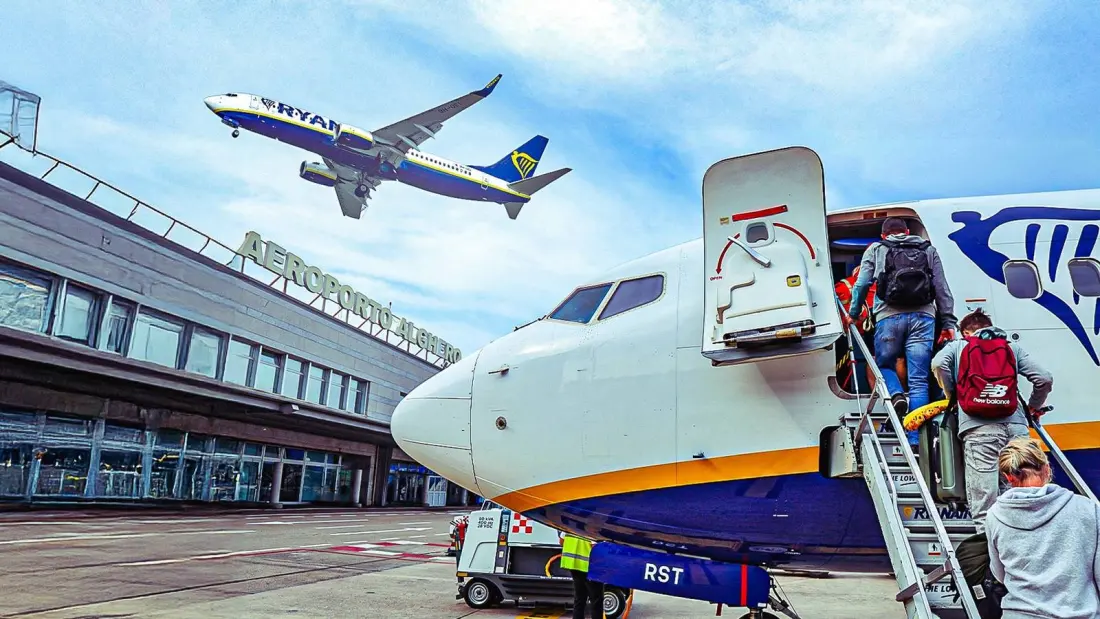
Wednesday's disruption touched several carriers. A Ryanair flight, FR 8196 from Rome Fiumicino to Lisbon, was the subject of an anonymous phone call to the control tower claiming explosives were on board. The aircraft departed just minutes late and landed safely with only a 32-minute delay, and authorities found no confirmed explosive device, but the threat still triggered a full security response. Elsewhere, France's Prime Minister's office confirmed threats against four aircraft flying over French territory, all of which landed safely, while a Wizz Air flight from Prague to Rome was diverted to Venice Marco Polo as a precaution.
The day before was worse: more than 25 flights were disrupted, several aircraft were diverted, some were escorted by military jets, and one landed at a military base. No group has claimed responsibility, but the Irish Government has called it a "likely coordinated campaign", noting similar threats were also made against Irish media organisations. The Gardaí are working with the Defence Forces, cyber authorities and police in other affected countries, though it remains unclear whether a single group or scattered individuals are behind the hoaxes.
So what actually happens when a threat comes in? A former air traffic controller explained the process to Sky News: controllers alert their supervisor, government agencies and the military assess credibility, and the pilot is asked for their intentions. The fact that aircraft are actually being grounded and diverted suggests officials rate these threats seriously. Once a plane lands, passengers and crew disembark, may be questioned, and bomb specialists and detection dogs search the aircraft.
Why should travellers care? If you're flying within or to Europe this week, expect the possibility of delays, diversions and long security holds — occasionally with a military escort making the news. Keep an eye on your airline's app for real-time updates, build buffer time into any connections, and know your rights: EU Regulation 261/2004 generally covers compensation and rebooking assistance when disruptions are within an airline's control, though security emergencies sit in a grey area. Most of all, don't panic. In nearly every case so far, aircraft have landed safely and no explosives have been confirmed.