The Pacific Islands Climate Action Network has issued a blunt warning ahead of the 31st UN Climate Change Conference in Antalya, Türkiye: the region's demands on fossil fuels and climate finance are not bargaining chips. For island nations like Fiji, Tuvalu and Palau, the stakes are literal — coastlines, food sources and centuries-old cultural sites are already being lost.
The network's message follows a round of Pacific-led diplomacy, including Pre-COP31 negotiations hosted in Fiji and Tuvalu, the 55th Pacific Islands Forum Leaders Meeting in Palau, and a landmark International Court of Justice advisory opinion spelling out states' legal obligations on climate change. Sindra Sharma, the network's international policy lead, pushed back hard against a troubling trend in talks: the growing willingness to treat overshooting 1.5°C as acceptable. Her argument is that even a temporary breach locks in damage that cannot be undone — a point that matters to anyone who has swum off a coral reef or walked a low-lying atoll.
What the network is asking for is specific: a just and equitable phaseout of fossil fuels, an end to what it calls false solutions, protection from extractive industries, and climate finance that is actually accessible and predictable for communities on the front line — places that contributed almost nothing to global emissions yet face the sharpest consequences. It also wants formal recognition that some climate losses simply cannot be priced.
James Viernes, principal advisor for strategy and regional affairs, framed it as a handover of responsibility. Pacific leaders and communities welcomed the world to their shores and set the agenda, he said; now governments arriving in Antalya must match that leadership with real commitments.
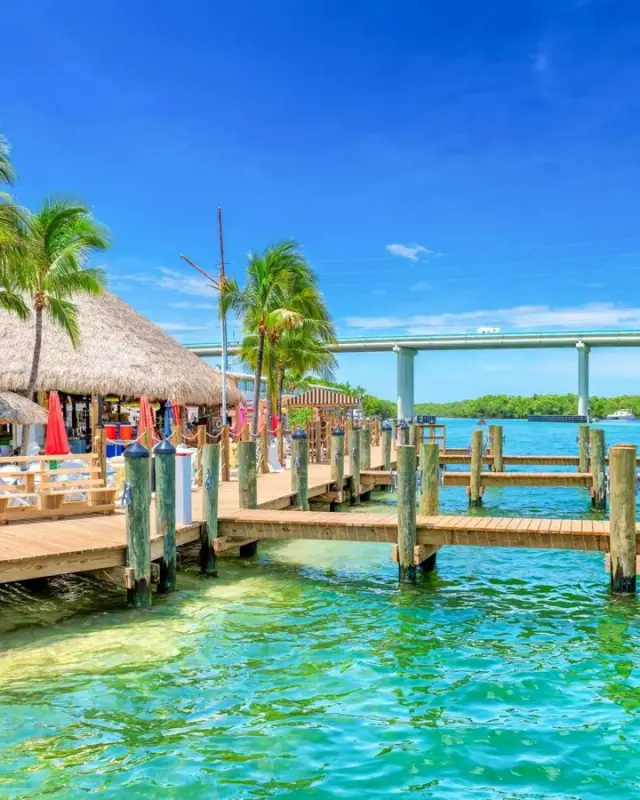
For travellers, this isn't distant policy talk. The islands at the centre of these negotiations — Fiji's reef-fringed resorts, Tuvalu's tiny motu, Palau's world-famous Rock Islands — are among the most climate-vulnerable destinations on earth, and several are actively shaping their tourism around conservation and resilience. Some Pacific nations have even signalled they'd welcome a smaller, higher-value visitor model over mass tourism. Whether these destinations remain intact for future travellers depends largely on the emissions decisions being argued this month in Türkiye. Paying attention to how COP31 unfolds isn't just activism — it's trip planning for a region where a fraction of a degree translates into shorelines and reefs you may or may not get to see.
Story reported by Pacific Island Times.