El Salvador has spent the past decade shedding a reputation it spent decades earning. The story of MS-13 — Mara Salvatrucha — explains why the country was once considered one of the most dangerous places in the Americas, and why the picture has changed so dramatically in the last few years.
The gang's roots are surprisingly far from Central America. It formed in 1980s Los Angeles among Salvadoran refugees fleeing civil war, in neighbourhoods already contested by established street gangs. The name itself is a bit of Salvadoran slang: mara means gang, Salva stands for El Salvador, and trucha means street-smart. The number 13 came later, marking the group's alliance with the Mexican Mafia prison organisation.
The turning point came in the 1990s, when the US began deporting convicted gang members to countries they barely knew. El Salvador, fresh out of civil war and short on jobs and functioning institutions, proved fertile ground. Deportees carried LA-era rivalries and structures back with them, and similar patterns took hold in Guatemala and Honduras. The government's early-2000s mano dura crackdowns backfired in an unexpected way: overcrowded prisons became networking hubs where gang leaders consolidated power.
At its height, MS-13 ran on extortion rather than large-scale drug trafficking. Bus operators, market vendors and small shopkeepers faced regular demands for payments, with threats, assaults or worse for those who refused. Territorial control also dictated where ordinary Salvadorans could safely walk or travel.
That world has largely been dismantled inside El Salvador. Following a 2022 state of exception, mass arrests and sustained government pressure have drastically weakened the gang there — even as its networks persist in other countries. The United States designated MS-13 a transnational criminal organisation in 2012 and added a foreign terrorist organisation label in 2025.
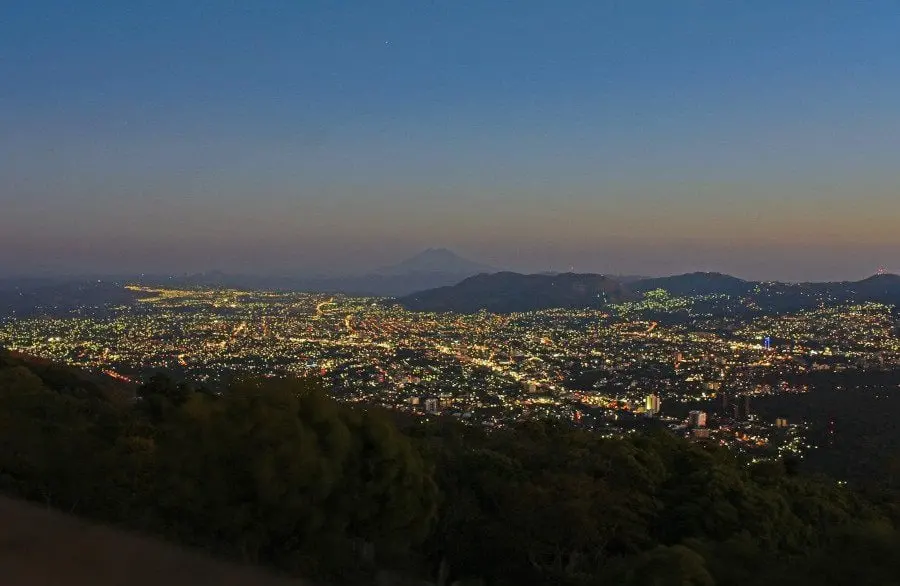
For travellers, this history is context rather than a warning. Tourism to El Salvador has grown sharply as homicide rates collapsed, with visitors drawn to surf towns like El Tunco, the colonial streets of Suchitoto, the Ruta de las Flores, and volcano hikes around Santa Ana. The extortion economy and neighbourhood no-go zones that once shaped daily life have receded, and government messaging leans heavily on the country's new image as the safest in the Americas — though human rights groups have raised concerns about the mass-detention policies behind it.
Practical takeaway: El Salvador today is a genuinely different destination than the one guidebooks from the 2010s describe. Standard urban caution still applies, as anywhere, but the specific fear of gang-controlled territory that defined travel advice for years no longer reflects reality on the ground. Check current government travel advisories before booking, as the legal situation around the state of exception continues to evolve.