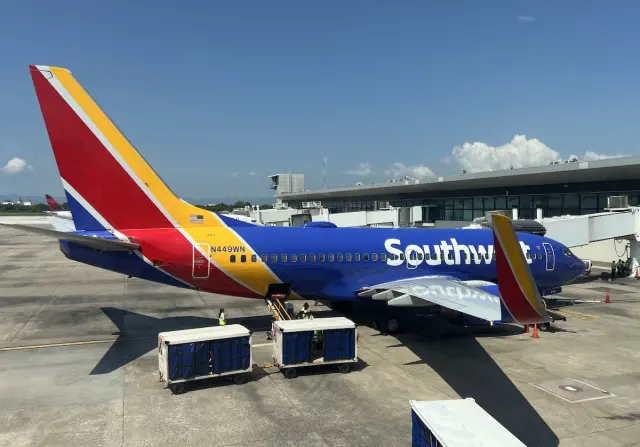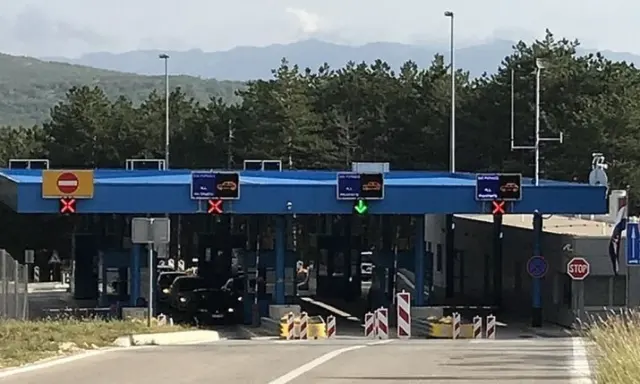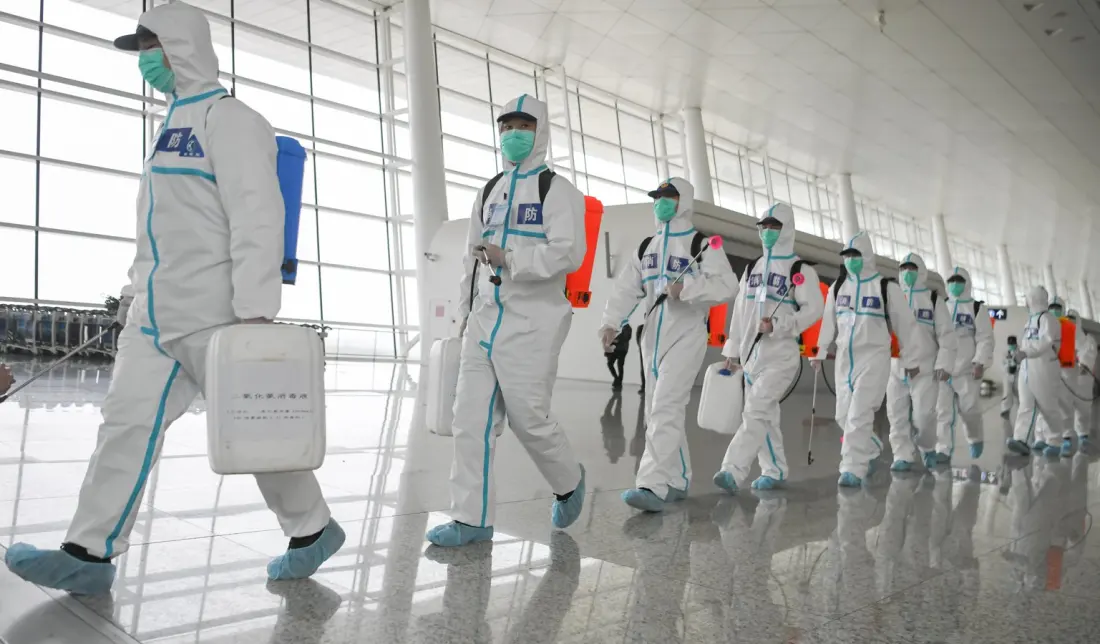
If you're flying to the United States from anywhere abroad, you now have to complete an Ebola attestation before boarding — even if your trip is London to New York and Africa is nowhere near your itinerary. The rule, effective for flights departing at or after 11:59 p.m. Eastern on November 3, 2026, requires every passenger to declare whether they've been in the Democratic Republic of the Congo in the previous 21 days. It applies to U.S. citizens, green card holders, foreign visitors and even people just connecting through a U.S. airport. Foreign carriers are covered too, as are departures from preclearance airports. Domestic flights and flights from U.S. territories like Puerto Rico are exempt.
There's no test or vaccine certificate involved — just a declaration of recent travel history. Each traveller needs one, including children, though a parent or authorized representative can complete it on their behalf. The current order runs through December 18, 2026 (the March 2027 date on the form is just the paperwork's approval expiry, not the rule's end date).
On American Airlines, expect the app or aa.com to require the attestation before check-in completes. Kiosks don't collect it — they'll show a QR code pointing you to your phone. If that fails, paper forms are available at the airport, and agents can also record a verbal attestation after you review the wording. American tags your reservation with a completion marker (ADOC), so if the app stalls, ask an agent to confirm it was recorded before you head to the airport.
The serious bit: the question is physical presence in Congo, not how you feel. Even a transit connection there — staying onboard the whole time — counts. U.S. passport holders who've been in Congo can be denied boarding for the 21-day waiting period, with only limited government exemptions like medical transport. The maths is simple: the day you leave Congo is day 0, and the first day you can board is day 22. Uganda and South Sudan have separate rules: non-U.S. citizens who've recently been there must also wait out the period, while U.S. citizens can return via New York JFK, Washington Dulles or Atlanta for health screening.
Context for why this exists: the CDC counts 10,563 confirmed cases and 5,130 deaths through November 1, making this the second-largest Ebola outbreak on record, behind only the 2014–2016 West Africa epidemic. This one is caused by Bundibugyo virus, which has no approved vaccine or specific treatment. The CDC rates the actual infection risk to travellers as low — Ebola spreads through body fluids, not air — and reports no U.S. cases from this outbreak.
If you are refused boarding, you have options. Under a Transportation Department notice from October 28, you can rebook within 90 days at no penalty or take a refund for unused flights; some scenarios provide transferable credits valid at least five years. Ask the airline for the refusal in writing — they must provide it within 10 days of your request.
Story first reported by View from the Wing.