A young orangutan named Novita became the face of Indonesia's fire crisis this month. Rescuers found the 3-to-4-year-old female clinging to a nearly bare tree in Central Kalimantan's Katune forest, her hands and feet burned after she crossed scorched ground to reach shelter. Sedated, given oxygen and fluids, she was rushed to the Nyaru Menteng rehabilitation centre — one of dozens of orangutans pulled from fire zones on Sumatra and Borneo in recent months.
Not every rescue ends well. Sampurna, a male thought to be around 20, was found struggling to breathe on a palm oil plantation in West Kalimantan's Ketapang district. He died within hours. Indonesia's Forestry Ministry says more than 270 wild animals in Kalimantan have been rescued, rehabilitated or relocated to safer habitat so far.
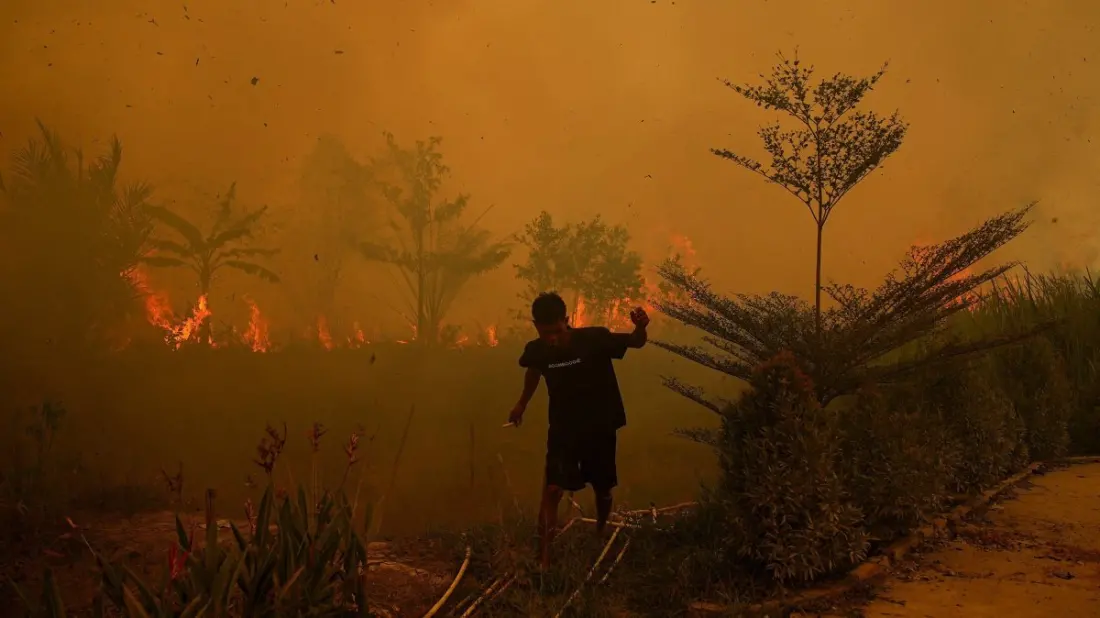
The scale of the fires is enormous, and figures depend on who's counting. Government data puts the burn at over 202,000 hectares between January and July; the independent Nusantara Atlas, using satellite imagery, estimated nearly 896,000 hectares scorched by the end of August. El Niño has prolonged the dry season and water shortages are slowing firefighting, though Japan has sent assistance. The damage isn't contained to Indonesia: drifting haze has reached the Philippines more than 800 kilometres away, and Malaysian authorities declared an emergency in Sarawak on the Malaysian side of Borneo.
For anyone planning a trip to see orangutans in the wild — one of Borneo's signature experiences — the fires are a reminder of how fragile that opportunity is. Habitat loss from burning peatland and expanding plantations is the main threat to an already endangered species, and conservation groups like the Borneo Orangutan Survival Foundation lean heavily on visitors and donations to fund rescue and rehabilitation work. Responsible travel choices, such as supporting ethical sanctuaries and licensed local guides rather than attractions that keep orangutans as pets or props, directly affect whether animals like Novita can eventually return to the forest. Rescuers remain optimistic about her: orangutans missing fingers have been released successfully before, and once her burns heal she'll be tested on her climbing ability before any return to the wild.
For travellers on the ground, the haze itself is a practical concern. Fire season smoke can shut down flights, trigger school and office closures, and make outdoor trekking genuinely hazardous. Anyone heading to Kalimantan, Sumatra or Malaysian Borneo between roughly July and October should monitor air quality apps and regional news, keep itineraries flexible, and consider travel insurance that covers smoke-related disruption. The dry season has always been the popular time to visit, but El Niño years sharpen the risk considerably.