Brazil has posted its best-ever result in the Blue Flag programme, with 75 beaches and marinas certified for the 2026/27 season – a 25% jump on the previous year's 60. That keeps the country firmly at the top of the South American table. The certifications are spread across seven states and break down into 63 beaches and 12 marinas, all meeting the programme's requirements for regular water testing, waste management, environmental education and maintained visitor services.
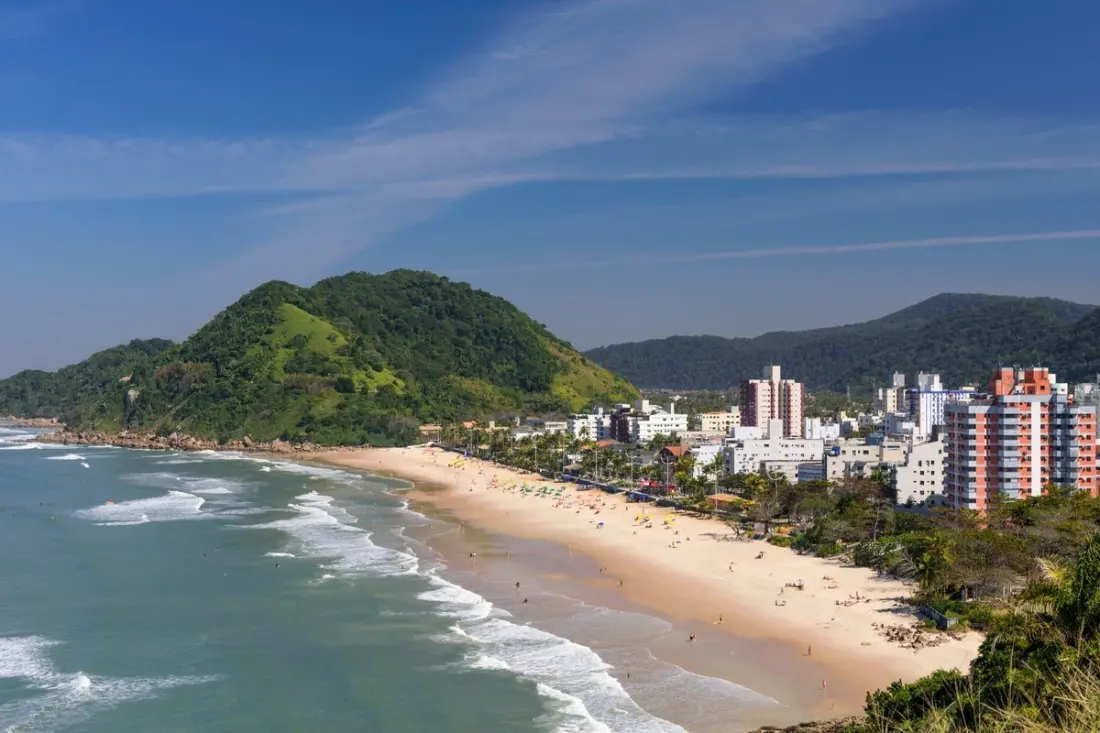
The interesting bit for beach-hoppers is the list of veterans. Five Brazilian beaches have now held the flag for more than a decade, and the longest-serving is Tombo Beach in Guarujá, near São Paulo, with 17 consecutive certifications. It's a sheltered, green-fringed cove that draws surfers thanks to its consistent swells.
Second on longevity is Prainha, just outside central Rio de Janeiro, with 14 straight years. Its white sand sits in a cove ringed by steep green cliffs, and a small car park keeps crowds in check – a rarity for Rio. A handful of seafood restaurants and bars line the sand.
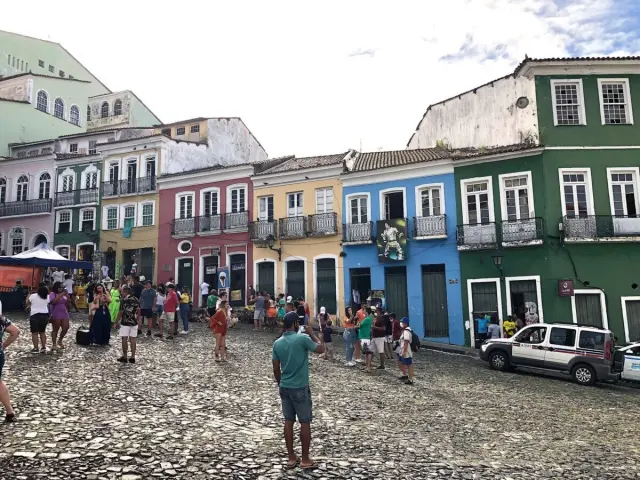
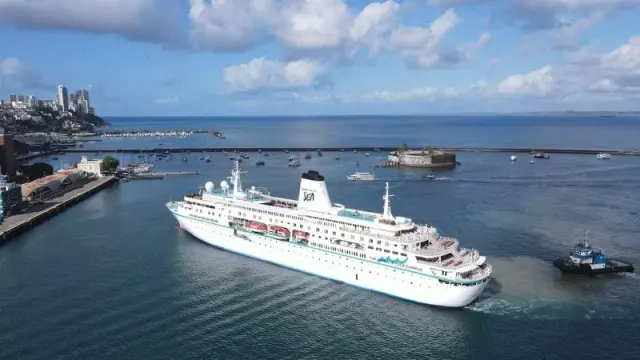
The rest of the five-strong veteran club, each with 11 consecutive certifications, reads like a sampler of Brazil's coastline variety. Ponta de Nossa Senhora de Guadalupe sits on Ilha dos Frades in the Bay of All Saints off Salvador, with calm, warm, clear water suited to swimming and diving, plus a boutique hotel and kiosks behind the sand. Lagoa do Peri in Florianópolis borders Santa Catarina's largest coastal freshwater lagoon – expect birdlife, otters and capuchin monkeys, and hiking trails to waterfalls and old colonial mills. And Praia Grande in Governador Celso Ramos offers a kilometre of white sand with facilities including showers and a kiosk.
Florianópolis dominates the newcomers too: Daniela, Açores and Moçambique beaches all earned their first flags this season, alongside Itapema do Norte, Molhe and Mar Grosso elsewhere in Santa Catarina.
Why does a flag matter? Because it's a quick, internationally recognised shorthand for clean water and decent management – handy when you're choosing between dozens of beaches in a country this size. Brazil's tourist board, Embratur, is clearly leaning into it, with president Bruno Reis framing the certifications as proof the country is ready for travellers after clear water and protected nature.
The timing makes sense. British visits to Brazil keep climbing: more than 187,000 Brits arrived in 2025, and this year's January-to-July figure of nearly 122,000 was up 11% on the same period last year. Direct flights from London to São Paulo and Rio make the certified stretches easy to anchor a trip around – Guarujá for São Paulo arrivals, Prainha for Rio, and Florianópolis or Salvador for those heading further afield.