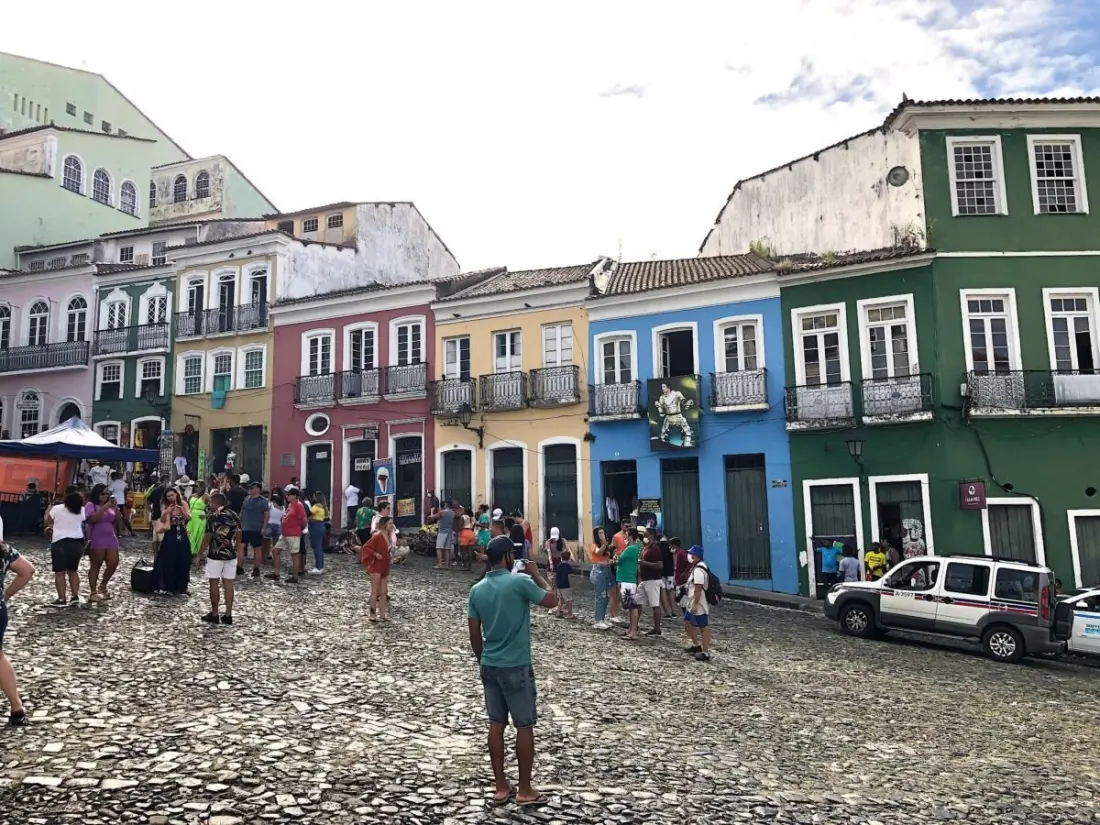
Walk into Pelourinho, the historic heart of Salvador in Brazil's northeastern state of Bahia, and the first thing you register isn't a monument — it's people. Pastel colonial buildings line the plazas, vendors set out their stalls, musicians haul drums and string instruments to their next gig, and women chat under brightly painted balconies. It's a living city centre, not a museum piece, and it's one of the main reasons travellers come away from Salvador changed rather than just sightseen.
Salvador was the first capital of colonial Brazil, and Pelourinho preserves that era in one of the largest collections of colonial architecture in the Americas. But what makes the city distinct is its Afro-Brazilian identity — the strongest in the country. The drumming you hear in the streets is the percussion tradition that later fed Brazilian music worldwide. Capoeira circles appear in public squares. Dishes like acarajé, a fried bean fritter stuffed with shrimp and spicy sauce, come from West African culinary roots. Candomblé, the Afro-Brazilian religion, shapes festivals and neighbourhood life throughout the year.
That cultural weight is part of why Salvador resonates so deeply with visitors from places like the United States. Travellers arriving from Miami — a flight of roughly 4,000 miles — often describe an unexpected feeling of recognition: Salvador is one of the largest Black cities outside Africa, and seeing Black Brazilians running the everyday rhythm of a city, from commerce to music to religion, can make a foreign country feel oddly familiar. For many African American travellers in particular, Salvador has become a destination for reconnecting with heritage rather than just ticking off sights.
The calendar matters here. Salvador's party schedule is legendary — Carnival here is huge, street-based and percussion-driven, often described as the biggest in the world. But you don't need to time your trip around it; the city performs some version of itself every week, with rehearsals, drum troupe rehearsals (ensaios), church-to-square processions and capoeira rodas happening regardless of season.
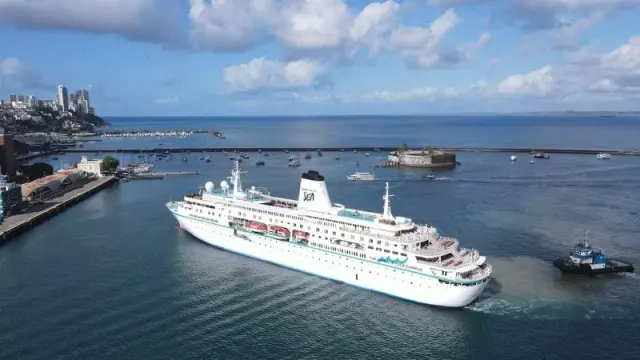
Beyond Pelourinho, travellers can take the Elevador Lacerda down to the lower city and the waterfront market at Mercado Modelo, catch sunset over the Bay of All Saints, or head out to the Island of Itaparica and the beaches of the Bahian coast. The curly coastal streets of the Rio Vermelho neighbourhood are a good base for eating and nightlife away from the postcard centre.
Who is this for? Anyone tired of Brazilian itineraries that stop at Rio and Iguazu. Salvador suits culture-first travellers, music lovers, foodies and diaspora travellers looking for a meaningful connection — and it pairs well with a beach extension, since Bahia's coastline starts basically at the city's doorstep. Come hungry, come ready to dance, and don't expect to just watch: Salvador works best when you join in.
Story via Matador Network.