Croatia's property market just refuses to cool down. According to the European Commission's latest Alert Mechanism Report, prices jumped 13.9% last year and another 12.7% year-on-year in the second quarter of 2026 — and Brussels expects roughly 13% growth for the full year, followed by another 10% in 2027.
The catch? The EC thinks Croatian real estate is already priced about 15% above fair value, and if the current pace continues, that overvaluation could stretch to 19% by 2027. It's a formal warning shot from Brussels to Zagreb about an overheating market.
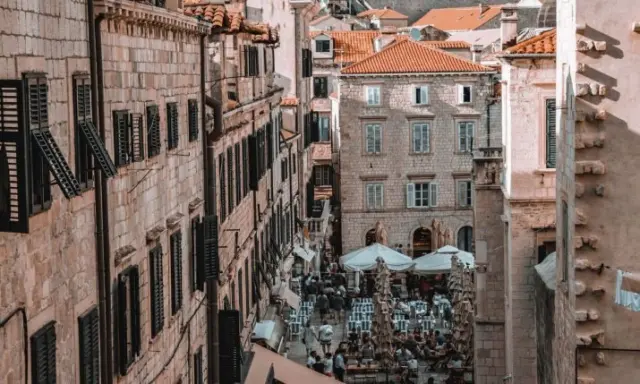
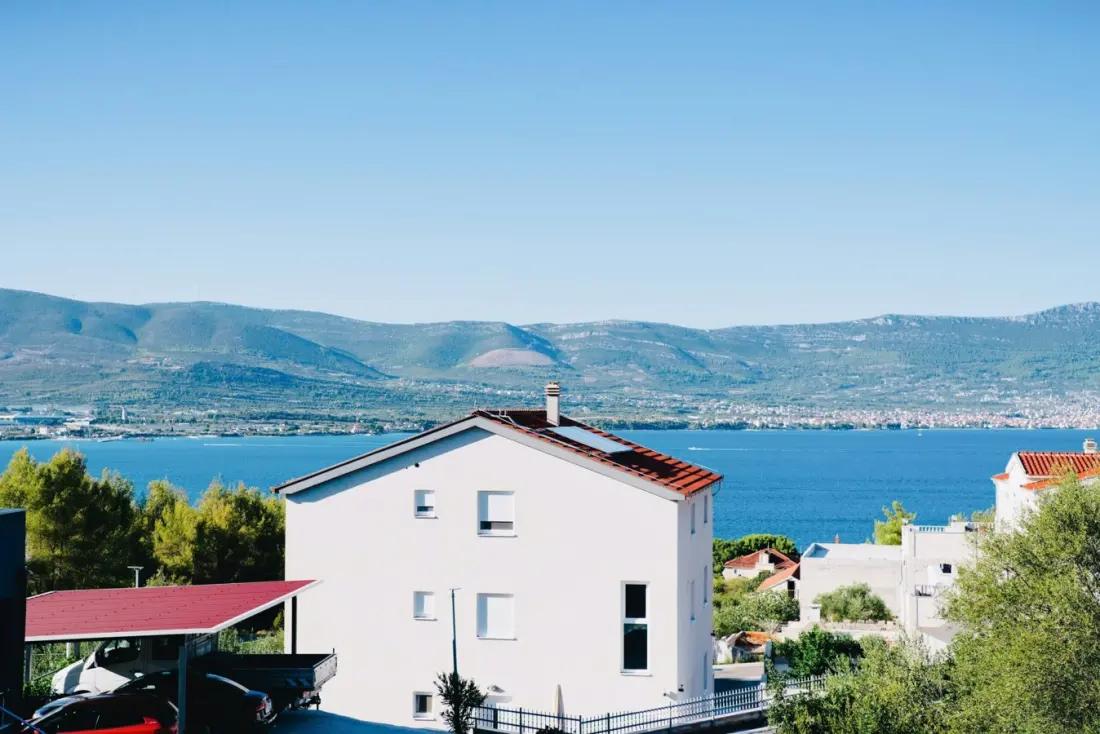
The heat is concentrated where holidaymakers already know it best: the coast and tourist zones, where foreign buyers are a major driver of demand. Local factors are adding fuel too. Household incomes grew 9% in 2025, and cheaper housing loans pushed overall creditworthiness up 16%, so domestic buyers are borrowing more to compete.
The Croatian National Bank has stepped in. It introduced loan restrictions in July 2025, then in October 2026 tightened them further by halving the exemption quotas banks can hand out outside the standard lending rules. Meanwhile, the market is showing signs of strain: total residential sales in Q2 2026 fell 33.3% year-on-year, with existing-property transactions down nearly 36%. Fewer deals, higher prices — the classic fingerprint of a market where sellers hold out and buyers hesitate.
For travellers, this matters in two ways. If you've been dreaming of a Croatian holiday apartment or coastal renovation project, the window for bargains looks firmly closed — and possibly getting worse through 2027. Renting, on the other hand, may stay competitive, since a heavy pipeline of investor-owned flats keeps the holiday-let market well supplied. Either way, anyone budgeting for a Dalmatian base, an Istrian stone house, or a Zagreb pied-à-terre should factor double-digit annual price growth into their plans rather than waiting for a correction that Brussels' own numbers suggest is overdue.
Story first reported by Total Croatia.