A 53-minute documentary called Adra is making the rounds among climbers, and its appeal has less to do with jaw-dropping ascents than with the people on screen. Shot in and about North Wales, the film pairs archive footage with modern climbing sequences and a parade of local personalities who have shaped the region's climbing culture over decades.
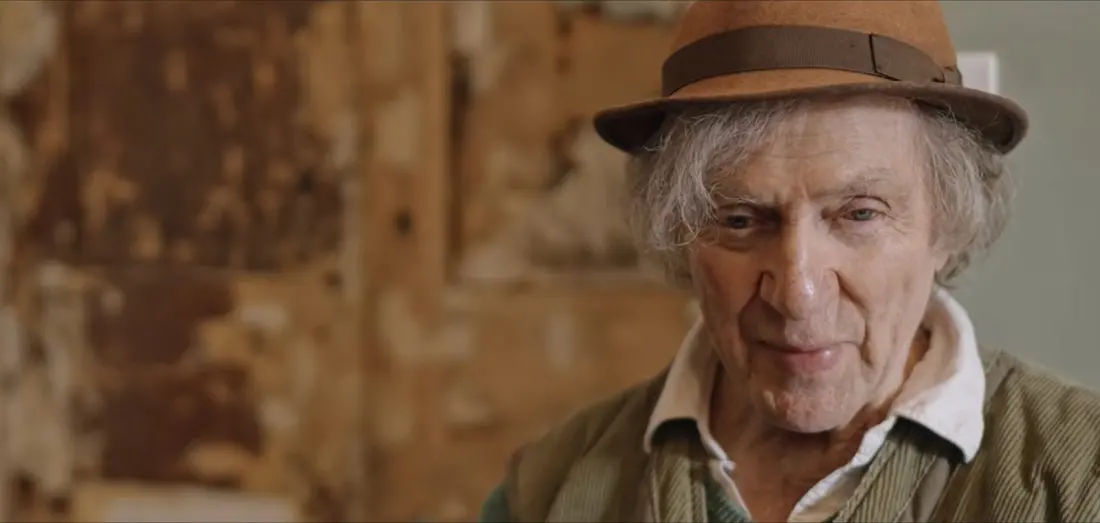
The older guard anchors the film. Nick Bullock, blunt as ever and rarely far from his harmonica, appears alongside Johnny Dawes, whose unconventional style and unruly hair have made him a cult figure. There's also Johnny Redhead, described as an artist, activist and climber, and writer Jim Perrin, who turns up wearing a balaclava. These men came of age in the 1980s, a period of high unemployment in Wales when, as the film puts it, many were on the dole and climbing 'with their hearts.' That era of poverty-fuelled passion hangs over the whole documentary.
Against them, Adra sets a younger generation, several of whom speak Welsh on camera. It includes Perrin's own son, Lewis (he's keen you don't pronounce it 'Louis'), and route-setter Zoe Wood. The film doesn't pretend the newcomers carry the same eccentric charisma as their predecessors; it simply lets both generations exist side by side on the same crags.
Stylistically, Adra is looser than a typical climbing film. It mixes 1950s archive clips — including Welsh children playing an odd variant of leapfrog — with contemporary footage of climbers working routes. There are Welsh-language recitations delivered against moody hillside scenery, and sit-down interviews that let the subjects ramble in the best way. The through-line is a quote that opens the film: North Wales is 'about the rock imbibing human beings and making them joyful.'
For travellers, the film works as an unusually honest advert for Snowdonia (Eryri) and the Llanberis-Pen Trwyn climbing scene. The slate quarries, crags and valleys on screen are all publicly accessible, and the region remains one of Britain's most storied climbing destinations — a place where a tradition running back to the Victorian era is still visibly alive. Even if you never tie in, the film doubles as a portrait of a Welsh-speaking rural community and its post-industrial history, which adds depth to any visit to the national park.
If you're a climber, watch it before your next trip to North Wales for the context behind the classics. If you're not, watch it as a character study — the sort of film where you'd happily listen to these people talk about weather, rock or nothing in particular for another hour.
ExplorersWeb