Croatian workers just crossed a milestone: the average net monthly salary hit €1,543 in August, the first time it has topped €1,500. Sounds like good news, but the fine print matters — especially if you're planning a trip there this year.
Strip out inflation and the real gain in purchasing power works out to a modest €36 a month. The Croatian Bureau of Statistics puts transport costs up 16% year-on-year and housing and utilities up nearly 12%. Fuel is the eye-opener: petrol rose 25% over the year and diesel nearly 40%. Restaurant and service prices climbed 6.7%, which is exactly the line item holidaymakers feel most directly.
Economist Mladen Vedriš told RTL Danas that official inflation understates rises in the categories households actually spend on — food, drinks and fuel. When you weight the basket that way, he argues, purchasing power has gone backwards.
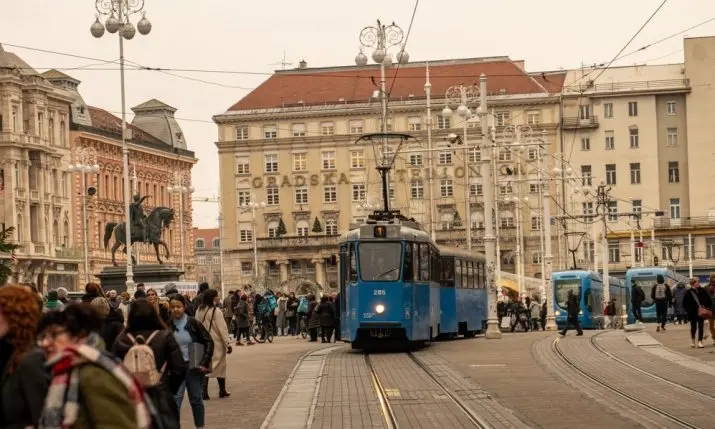
The average wage also flatters reality. The median net salary is €1,336, meaning half of all Croatian employees earn less than that. With a 60-square-metre apartment in Zagreb renting for around €800 a month, union leader Mario Iveković of the New Trade Union says typical wages can't stretch to a decent standard of living — his union wants rises of 20% to 30%, arguing a salary above €3,000 is needed for comfort. That tension between tourist-economy prices and local wages is increasingly visible on the Adriatic coast every summer.
One piece of relief: gas prices are frozen until at least 31 March, with government subsidies in place. Jeronim Tomas, head of Gradska plinara Zagreb – Opskrba, confirmed households will pay the same as last winter for equivalent consumption.
So why should travellers care? Because these numbers are your holiday budget. The 6.7% jump in restaurant prices means a dinner out in Split or Zagreb costs noticeably more than it did a couple of years ago. The diesel spike feeds directly into car hire, transfers and taxi fares. And Zagreb's €800 rent for a modest flat signals where short-term accommodation pricing is heading in peak season. Croatia remains one of Europe's most rewarding trips — but budgeting at pre-2022 price levels will leave you short.
If you're heading there, a few practical moves help: book accommodation early before summer rates climb, use buses along the coast rather than relying solely on a hire car, and eat where locals eat — away from the seafront, prices drop sharply. Croatia joined the eurozone and Schengen at the start of 2023, which makes payments and border crossings simpler than they used to be, but it hasn't stopped prices rising. — Croatia Week