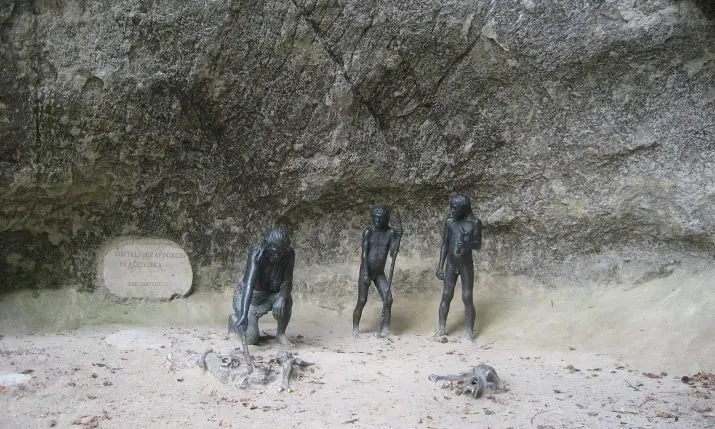
A cave in northern Croatia has become one of the most important places in the world for understanding human origins — and the research coming out of it keeps making headlines. Vindija Cave, in the Hrvatsko Zagorje region, held Neanderthal remains roughly 38,000 years old, and their genomes are now the closest known match to the Neanderthal population that interbred with our own ancestors.
At the centre of the work is Croatian molecular biologist Dr Mateja Hajdinjak, who studied at the University of Zagreb before joining the Max Planck Institute for Evolutionary Anthropology in Leipzig. In 2017 she and colleague Petra Korlević helped sequence a high-quality Neanderthal genome from Vindija, working alongside Croatian researchers at the cave. A study published in Nature this year confirmed just how genetically significant those individuals are: their DNA lives on in people today.
The next chapter is even more intriguing. Hajdinjak's team is preparing research on 12 Neanderthal genomes from Vindija — and the group includes identifiable family members: a mother and daughter, two sisters, and an aunt and niece. That kind of data can reveal how Neanderthal communities were structured and how they mixed with early modern humans.
Why should a traveller care? Because this isn't abstract science. Neanderthal variants on chromosome 3 are linked to a higher risk of severe Covid-19, while a variant on chromosome 12 appears protective against it. Other inherited variants are tied to type 2 diabetes — changes that may once have helped our ancestors survive food scarcity. If you have European ancestry, there's a decent chance some of your DNA traces back to caves like this one.
As for why Neanderthals vanished, Hajdinjak is refreshingly honest: no single explanation wins. Competition for resources, smaller population sizes, disease, environmental pressures and absorption through interbreeding likely all played a part.
For visitors, Hrvatsko Zagorje is an easy detour from Zagreb and pairs well with the region's other palaeontological drawcard, the Krapina Neanderthal Museum, about half an hour away. Vindija itself sits near the town of Ivanec, in gentle hill country better known for castles, vineyards and thermal spas than for rewriting human history. It's a low-key corner of Croatia that most visitors to the coast never see — and one of the few places on Earth you can stand where a mother and daughter from another human species were buried 38,000 years ago.