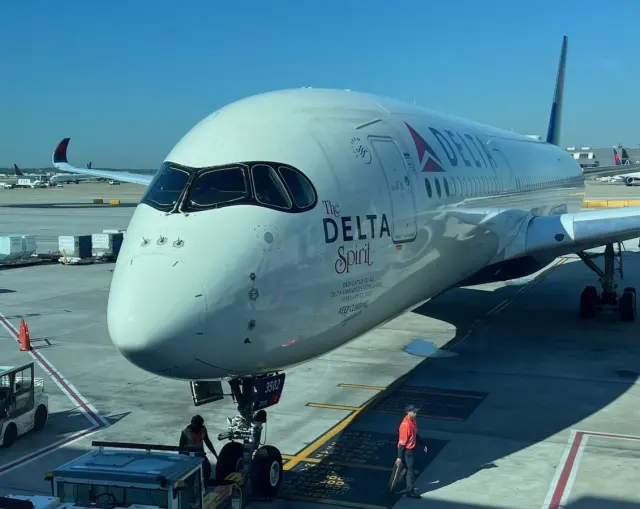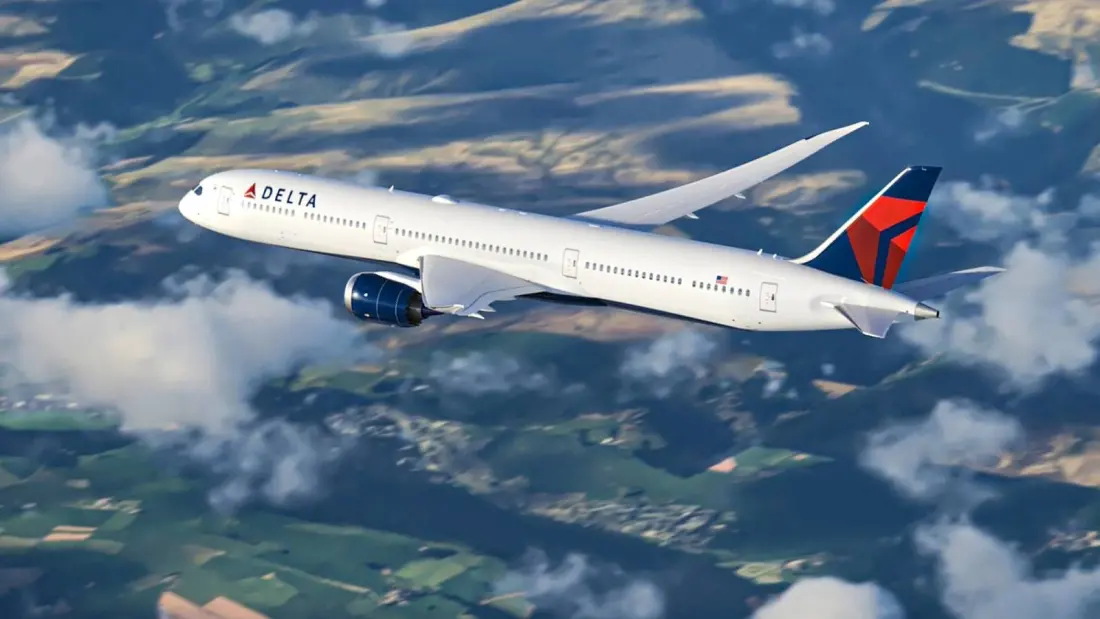
Delta Air Lines has done something it hasn't in nearly ten years: signed a direct widebody order with Boeing. The deal, finalized on 13 January 2026, covers 30 firm Boeing 787-10 Dreamliners with options for up to 30 more, breaking an unbroken run of Airbus twin-aisle purchases that dates back to 2016 — when Delta cancelled 18 inherited 787-8s picked up in the Northwest Airlines merger and went all-in on the A330-900 and A350-900.
Why change course? Single-supplier reliance had its perks — simpler pilot training, shared spare parts, competitive pricing — but it also left Delta exposed to assembly tariffs and supply chain snags. Splitting future widebody orders between Airbus and Boeing keeps both manufacturers honest and protects the airline's growth plans from one factory's delays.
The new jets have a clear job: replacing the ageing 767-300ER and 767-400ER fleets, many now past 30 years old, that have carried Delta's transatlantic and South American routes for two decades. Deliveries start in 2031, and the 787-10 — the biggest Dreamliner variant — burns roughly 20-25% less fuel per seat than the 767s it replaces while offering double the under-floor cargo volume. GE Aerospace's GEnx-1B engines, chosen with a long-term services deal, bring composite fan blades and titanium aluminide turbine blades to squeeze out further weight and emissions savings.
Passengers will notice the difference too. Delta's Chief Commercial Officer Joe Esposito confirmed in July that more than half the seats on the new 787-10s will be premium — Delta One Suites, Premium Select and Comfort — compared with about 30% on today's 767s. The Dreamliner's carbon-fibre fuselage also pressurizes to a lower 6,000-foot cabin altitude with higher humidity, dimmable windows and a quieter cabin, all of which take the edge off jet lag on long hauls.
One detail may have sealed the deal: in early 2026 the FAA certified a higher maximum takeoff weight for the 787-10, adding about 6,450 kg of structural capacity. Delta can trade that between roughly 400 nautical miles of extra range or five tonnes of additional cargo — enough to fly deep into South America or Eastern Europe from Atlanta, New York and Minneapolis without giving up belly freight revenue.
For travellers, this is a glimpse at the long-haul cabin of the 2030s: more lie-flat suites, fewer middle-seat compromises, and smoother, less fatiguing flights. If you fly Delta across the Atlantic or to South America regularly, the premium-heavy Dreamliners — arriving alongside the airline's existing A350-1000 and 737 MAX 10 orders — should make those trips considerably more comfortable once the first airframes land in 2031.
Story via Simple Flying.