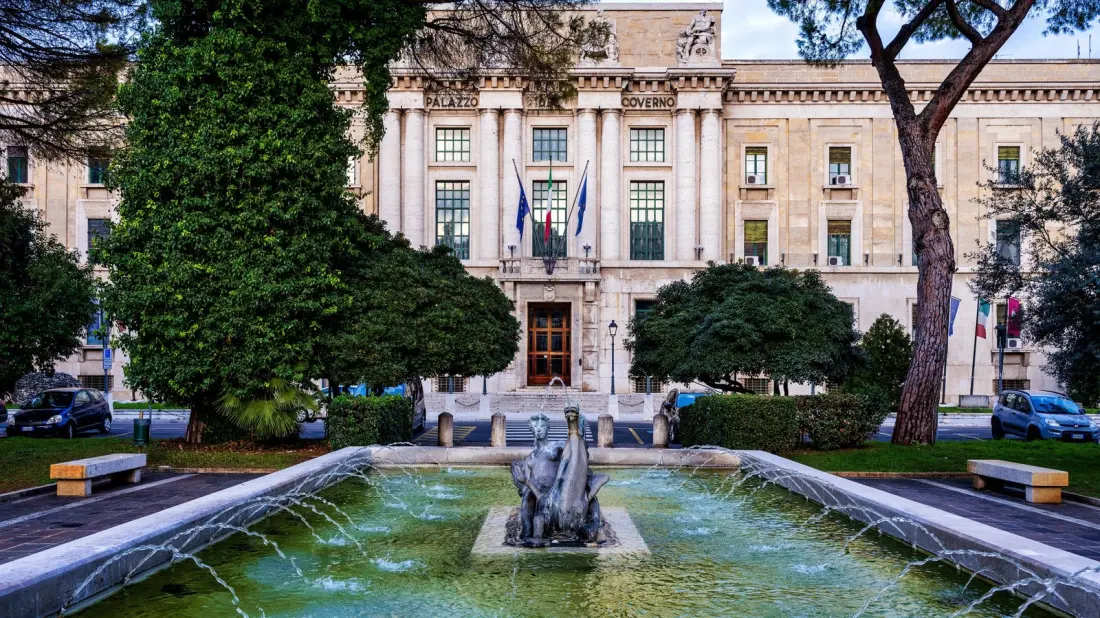
Rome pulled in 22.9 million visitors in 2025, and if the crowds are starting to feel like too much, there's an alternative quietly gathering attention two and a half hours away. Pescara, a working city on Italy's Adriatic coast, has been flagged by Booking.com as one of the destinations set to trend in 2027 — part of a wider shift the company's managing director Ian Ackland describes as travellers going 'off-script' and picking niche spots over the big names.
The prediction comes from Booking.com's 11th annual Travel Predictions survey, which gathered responses from more than 28,000 people across 33 countries. The takeaway: budget, novelty and itineraries that haven't been done to death are shaping how people plan next. Pescara fits the brief neatly — close enough to Rome for an easy detour (about 2.5 hours by car or bus along the A24 through Abruzzo's mountain country), yet largely untouched by mass tourism.
So what's actually there? A city that blends old and new without trying too hard. The pedestrian Ponte del Mare sweeps across the mouth of the Pescara River and is the place to be at sunset. The old centre around Piazza Unione mixes surviving fishermen's houses with post-war reconstruction — the city was heavily bombed in World War II and only became a single city in 1927, when bridges united Pescara with Castellamare Adriatico. Piazza della Rinascita is the main square where locals and visitors overlap.
The food alone justifies the trip. Brodetto alla pescarese, a fishermen's fish stew, is the local signature — La Zattera serves it right on the beachfront. For meat, look to arrosticini, grilled sheep skewers that came down from the Abruzzo hills; Braceria Teatro delle Carni is a well-regarded spot for them.
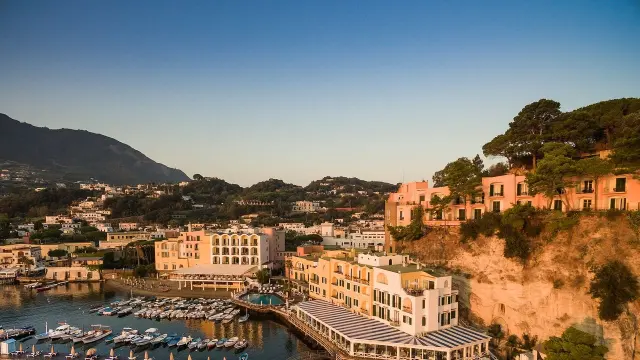
Then there's the coast. Pescara's entire beachfront, north and south of the river, holds Blue Flag status for water quality and environmental standards — over 12 miles of beaches in total. A short walk inland brings you to the Pineta Dannunziana nature reserve, a remnant pine forest that Byzantine sailors were already using as a landmark in the eighth century. Culture fans can walk about 35 minutes into the old centre to the Birthplace Museum of Gabriele D'Annunzio, the poet who remains the city's most famous son. A university keeps the population young, and the nightlife in the old town reflects it.
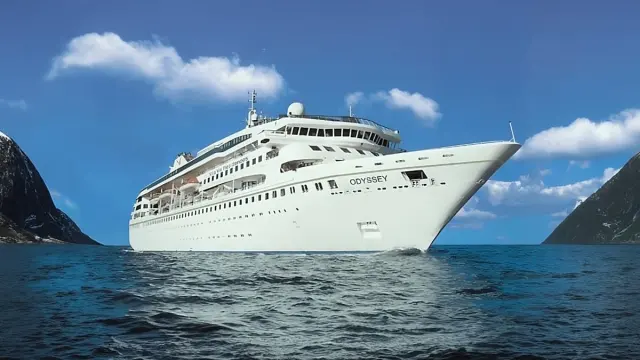
If one Italian city isn't enough, Pescara also works as a launchpad. Ferries from nearby Ancona cross the Adriatic to Split in Croatia, with the small island town of Trogir just 30 minutes further — a tidy way to string together two under-the-radar coastlines in one trip.
For travellers worn out by Rome's queues and prices, Pescara offers sea, mountains, honest food and a fraction of the foot traffic — and 2027 may be the year everyone else catches on.