Somewhere around mile 1,473 of the Appalachian Trail, a hiker spending the night near the Mount Algo shelter in Connecticut got a vivid reminder of who else shares these woods. Woken shortly after 11PM by heavy footsteps and falling branches about 50 yards away, they checked the FarOut app's shelter comments and found several reports of confirmed or suspected bear activity at the site. The animal — almost certainly a bear crunching through dry autumn leaves near a nearby tent site — never approached, and the hiker dozed off again, finishing the night in relative peace.
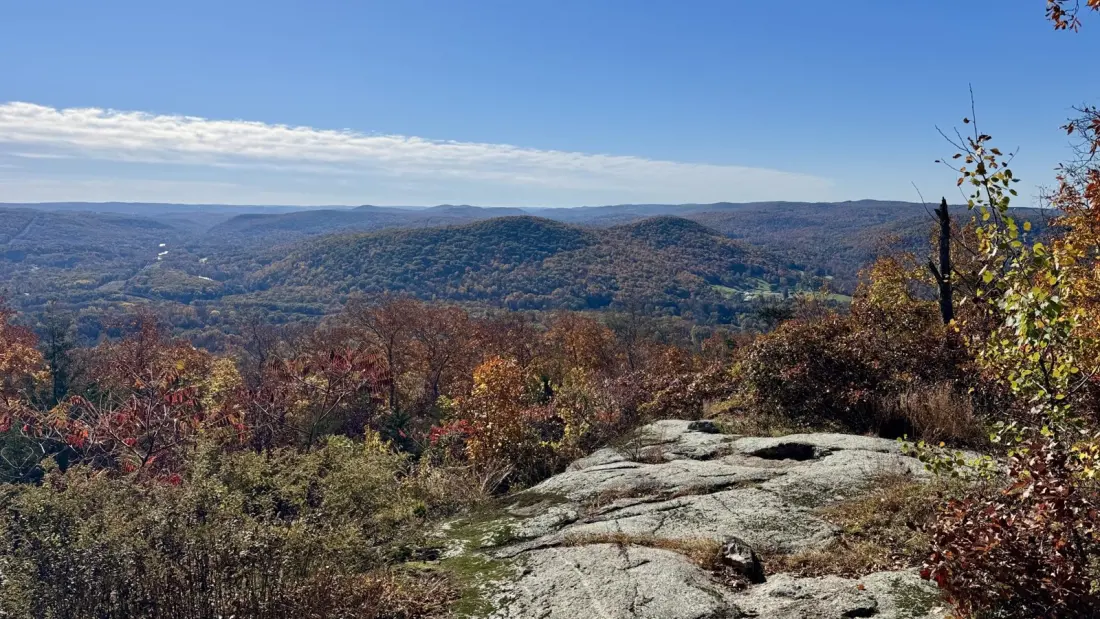
The next morning's mission was a satisfying one for any long-distance hiker: finishing a state. Starting out at 8AM from the shelter, the route wound through rocky ups and downs, past the Schaghticoke Mountain campsite and through land belonging to the Schaghticoke Indian Nation — a small but notable stretch where the AT technically crosses reservation territory and takes a higher, less scenic line. The trail briefly dips into New York around Schaghticoke Mountain, offering a rocky outcrop with a sweeping view of the Housatonic River Valley, then pops back into Connecticut before the final two-mile push to the state line.
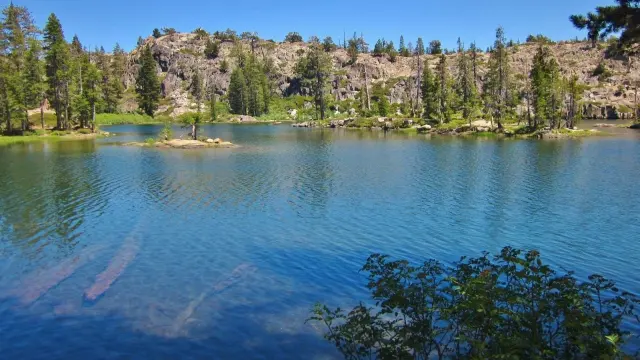
The last stretch of Connecticut isn't all glory. The route crosses Route 22 and the Metro-North railroad, then climbs through the Pawling Nature Preserve past the Dover Oak, with tired legs and muddy pasture crossings making the final seven miles feel longer than they were. Relief arrives at Nuclear Lake — the name sounds alarming but the reality is a pretty body of water glowing blue in the afternoon sun, ringed by trees in full autumn colour. (The "three-eyed fish" joke is a trail gag about the name, not a radiation sighting.)
By the numbers, this was a proper day's work: 26.1 miles, roughly 57,150 steps, nearly 5,000 feet of both climbing and descent, ending at NY Route 55 before 5PM — with a well-earned grocery resupply run to Fishkill in the van afterwards.
For anyone eyeing this section of the AT, it's a good snapshot of what the Connecticut-New York corridor actually feels like: shorter, rockier and more road-adjacent than the epic stretches further north, but with real viewpoints, river valley scenery, and the odd dose of wildlife drama after dark. It also shows how modern thru-hikers operate — checking crowd-sourced shelter reviews on FarOut for bear reports, sleeping in a van between day hikes, and timing short autumn days down to the minute of sunrise. If you're planning a section hike here, October delivers gorgeous foliage and quiet trails, but pack for cold nights and remember that bears are active fattening up for winter — hang your food and keep a clean camp. The sightings rarely amount to more than a ruined night's sleep, which, as this hiker proved, you can simply walk off the next morning.
See you tomorrow, as the hiker signs off — the trail rolls on.