A New York Times essay by former Spirit Airlines executive Mark Kahan has floated a provocative idea: that the loyalty programs of American, Delta and United — with their billions in credit card revenue — smothered Spirit and made its low-cost model impossible. It's a tidy theory, and it doesn't hold up.
The kernel of truth is real. Big US carriers earn enormous sums from banks that buy miles for co-branded cards, and those steady cash flows helped them borrow cheaply and weather the pandemic. A traveller sitting on elite status and a big mileage balance will often stick with United or Delta even when Spirit is cheaper. That's a genuine competitive edge.
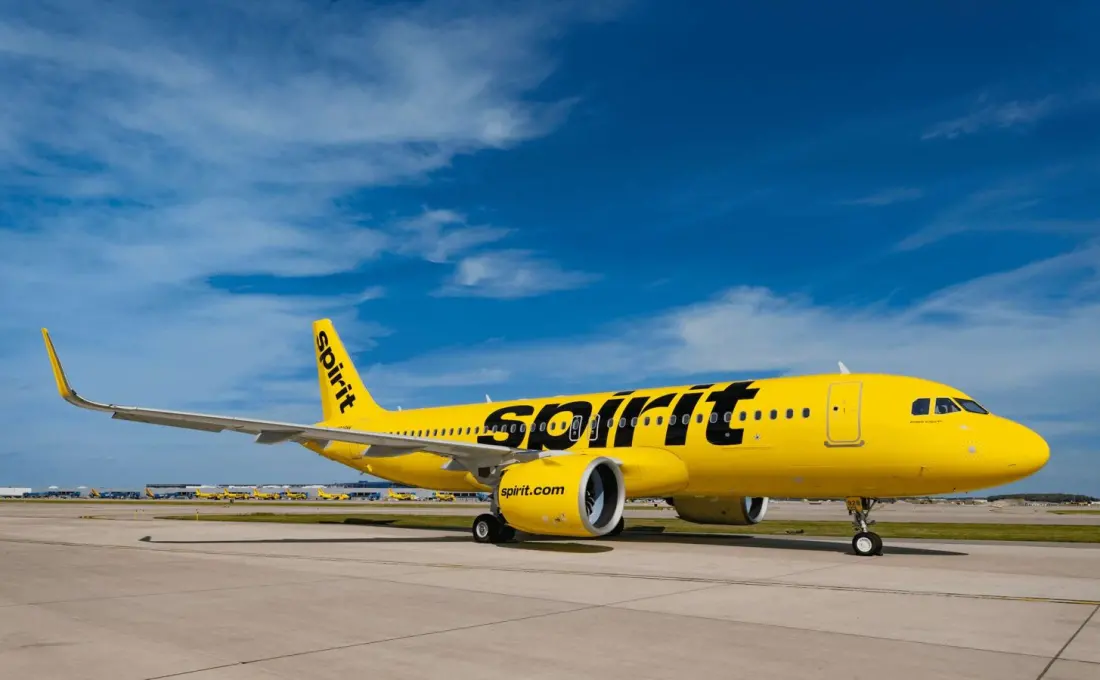
But here's the hole in the argument: Spirit used the exact same playbook. In September 2020 it raised $850 million in debt secured against its Free Spirit credit card program, membership club and brand, then added another $600 million in November 2022. That's $1.45 billion in loyalty-backed financing — from a mechanism the essay implies Spirit couldn't access. The difference was scale and appeal, not permission. Redeeming United miles for Lufthansa first class is an easy sell; the reward for flying Spirit was, essentially, more flying on Spirit.
The likelier culprits are staring us in the face. Spirit's costs per available seat mile jumped over 40%, from 7.97 cents in 2019 to 11.28 cents in the first nine months of 2025, thanks to rising labour costs and Pratt & Whitney engine issues that grounded planes. Meanwhile the big three rolled out basic economy fares that matched Spirit's prices with better schedules, apps and seats. Spirit lost the ability to undercut them — which was the whole point of Spirit. Add a blocked JetBlue merger and a badly damaged brand, and the picture is grim. In November 2025 Spirit posted $239 million in revenue against $311.7 million in operating expenses; its $72.7 million operating loss actually exceeded its $65.8 million fuel bill. Free fuel wouldn't have saved it that month.
Kahan also calls loyalty revenue "free money," but banks pay for miles because cardholders genuinely spend and pay annual fees — it's a commercial exchange, not a subsidy. There are fair critiques of these programs: opaque award pricing, sneaky devaluations. More transparency and notice before changes would help travellers. But banning borrowing against loyalty programs would just raise airlines' financing costs, and that never translates into cheaper fares.
Worth knowing: Kahan has been pushing this line since 1992, when he advocated banning frequent flyer programs outright and suggested the IRS tax your miles. Airfares adjusted for inflation have fallen substantially in the three decades since, while miles and airline cards became huge businesses.
For anyone who holds miles or carries an airline credit card, this debate matters — the programs survived this round of scrutiny intact, and they remain one of the best ways to stretch travel dollars if you use them deliberately.