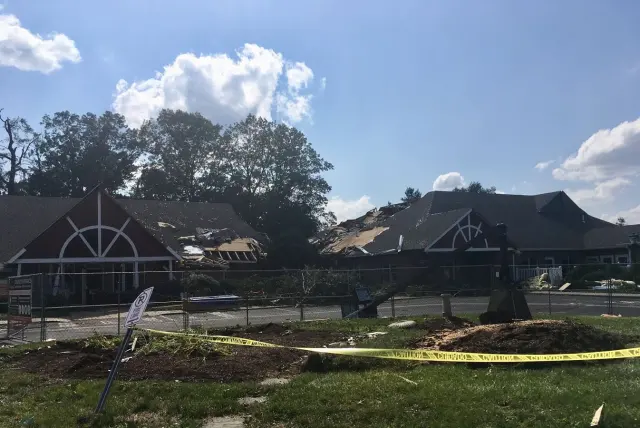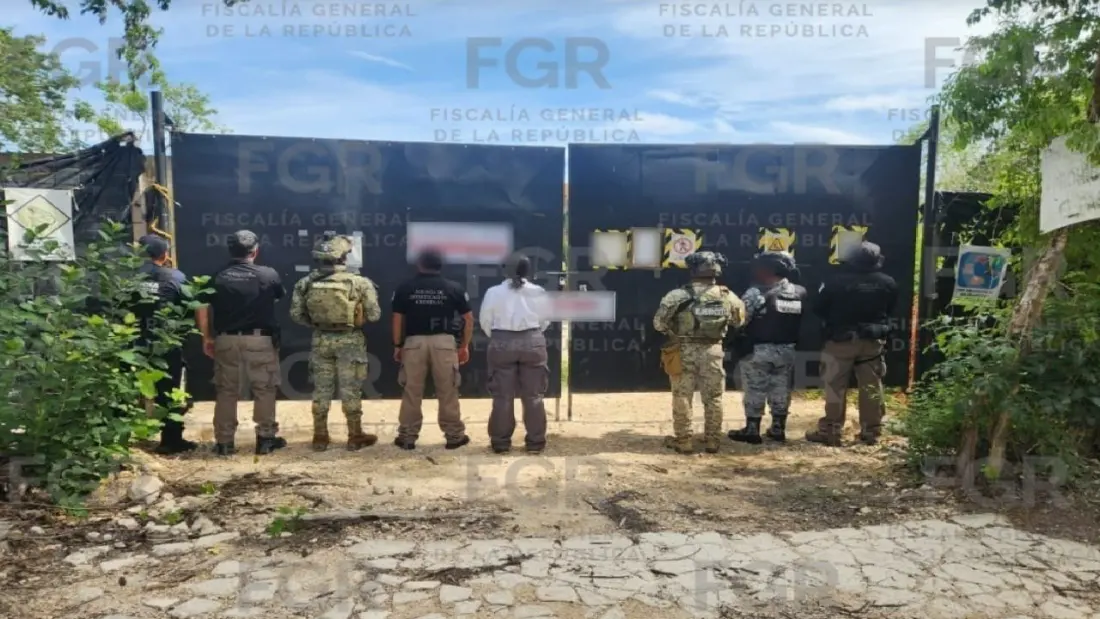
A large residential project in one of Playa del Carmen's best-known neighbourhoods has been taken over by Mexican federal authorities amid allegations it wrecked protected coastal vegetation. The Macondo Playacar development — 80 units spread across eight towers in the Playacar residential zone — was seized on October 7, 2026, in a coordinated operation involving the Attorney General's Office (FGR), environmental watchdog Profepa, federal police and investigators from the Criminal Investigation Agency.
The scale of the operation was notable. Soldiers from Sedena, Navy personnel and National Guard members set up a security cordon so inspectors could work. Authorities walked off with machinery, files of documentation and, ultimately, the property itself, which is now under federal confiscation while the criminal investigation runs its course.
At the heart of the case is the alleged clearing of mangrove and native vegetation in a coastal ecosystem without the two permits that Mexican law requires: the authorisation for land-use change in forest land (CUSTF) and a federal Environmental Impact Statement (MIA). The project had already been in trouble — a federal judge ordered a definitive suspension of construction back in 2025, and a total temporary closure was imposed as a safety measure to protect the ecosystem. Inspectors concluded that closure was violated, which triggered the escalation to federal investigators.
The pressure isn't only federal. Last month, Quintana Roo's ecology and environment secretary, Óscar Rébora, confirmed that state officials were reviewing whether to permanently revoke the development's building permits. The FGR complaint remains open.
Why does this matter to travellers? Playacar is a gated resort-and-residential area just south of central Playa del Carmen, popular with visitors for its golf course, beachfront hotels and Mayan ruins site. Mangroves there are not a technicality — they buffer the coast against storms and hurricanes, filter water and support the wildlife that draws people to the Riviera Maya in the first place. For anyone who has booked into the area, the practical impact of this particular seizure is minimal: it affects an under-construction development, not hotels or the wider neighbourhood. But it's a useful signal of where things are heading. Mexican authorities, both state and federal, have been increasingly willing to halt and even confiscate coastal projects that clear mangrove without permits, and buyers considering pre-construction purchases in the region should treat environmental paperwork as a genuine risk factor, not fine print. If you're weighing an investment or a long-stay base around Playa del Carmen, this case is a reminder to check that a project holds its federal environmental authorisations and hasn't been subject to judicial suspension orders.
The investigation is ongoing, and the fate of the Macondo Playacar project — and its permits — will be decided in the courts.