
Yemen's Houthi rebels have staged their biggest land advance in years, sweeping down the Red Sea coast to capture the port city of Mokha and several islands near the Bab el-Mandeb strait — the narrow waterway that handles roughly 12% of world trade in peacetime. The week-long offensive has reignited Yemen's 12-year civil war, pushed global fuel prices up and put Saudi oil exports in the crosshairs.
For anyone with travel plans touching the region, the key facts are these. The rebels are now firing on Saudi oil facilities and tankers, and shipping firm Windward recorded a drop in daily transits through Bab el-Mandeb from 35 to 25 after the advance — though traffic has since rebounded to 45. Analysts at conflict monitor ACLED warn the Houthis could widen their definition of "Saudi-linked" vessels, as they did during their earlier blockade of Israel-linked shipping in the Red Sea, when vessels with no connection to the conflict were also attacked. Cruise itineraries and cargo routes through the Red Sea and Gulf of Aden are the most exposed.
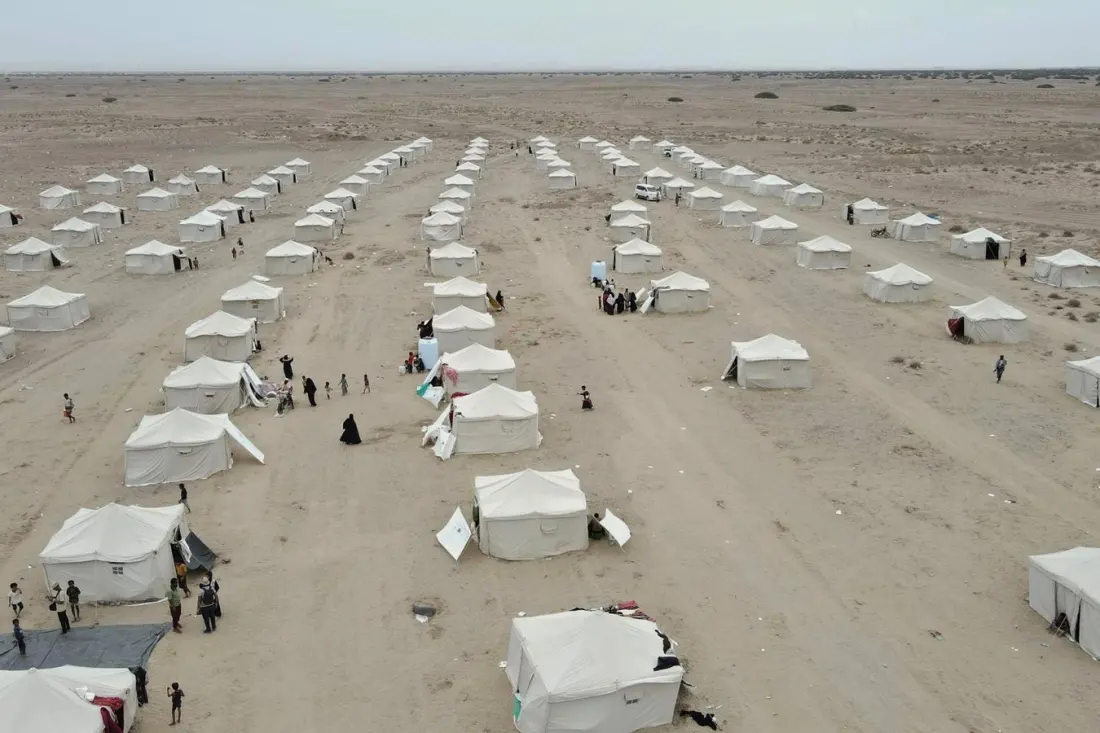
On the ground, the human toll is severe. Around 125,000 Yemenis have fled their homes, and the UN says recent fighting has killed at least eight civilians, with the Saudi-backed government blaming the Houthis for roughly 150 civilian deaths since 3 September. Heavy fighting is under way around Marib, an oil-rich city the Houthis have long tried — and failed — to take. Only a fifth of the UN's humanitarian appeal for Yemen has been funded, and aid agencies say millions risk losing access to food and healthcare.
Diplomacy is moving fast but going nowhere yet. Oman recently hosted talks between US and Houthi representatives, while Egypt, Turkey and a new Saudi-Turkey-Pakistan defence pact are all in the mix. The US has shown little appetite for military involvement this time, and any real resolution likely hinges on a broader US-Iran deal covering sanctions and the Strait of Hormuz. The Houthis, for their part, say their demand is simple: Saudi Arabia must lift its long-running blockade on Houthi-held territory.
Why does this matter to travellers? Yemen itself has been off the leisure map for years, but the Red Sea corridor sits on major cruise and shipping lanes, and instability here historically means rerouted itineraries, higher fuel surcharges and pricier flights as airlines and carriers avoid risk zones. Anyone booked on Red Sea cruises, diving trips from Djibouti, or travel to Saudi Arabia's Red Sea coast should monitor Foreign Office advisories closely over the coming weeks. Shipping traffic through the strait has already recovered, but the Houthis have shown before that target criteria can change quickly. Until a ceasefire or broader Iran-US agreement takes shape, flexibility — and good travel insurance — are worth more than usual for regional bookings.
Story reported by Japan Today / Associated Press.