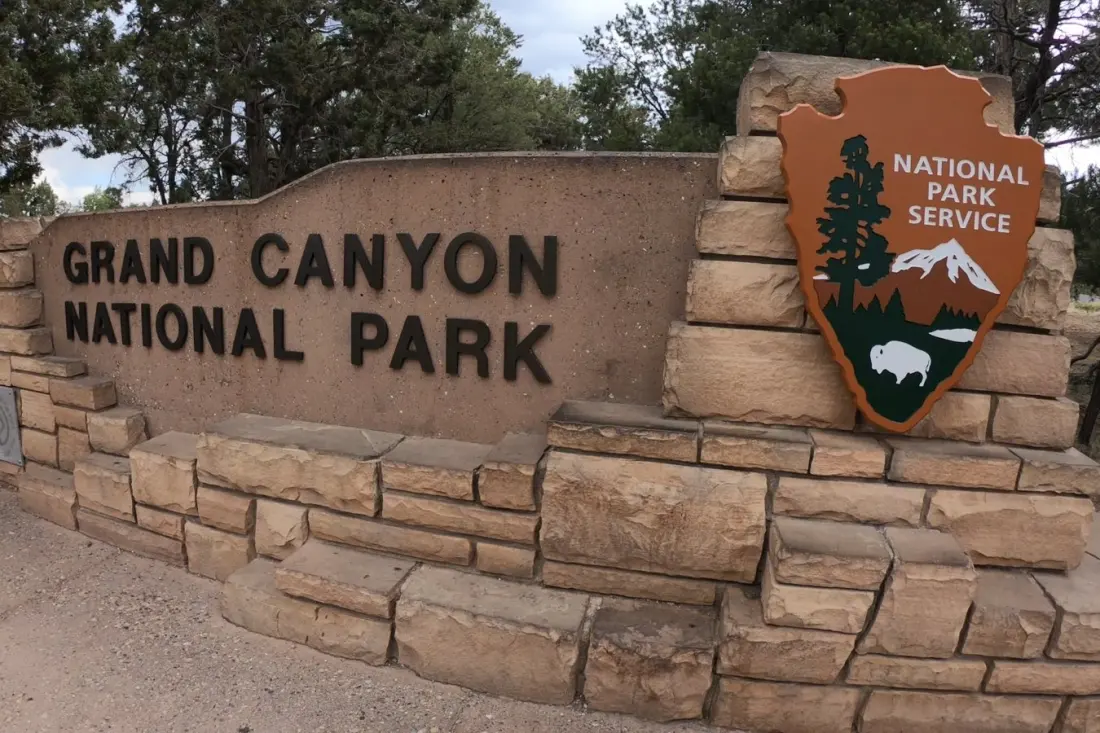
A fatal flash flood on 29 August has left Grand Canyon National Park facing its most serious infrastructure crisis in decades — and anyone planning a trip there in the coming weeks needs to know what's going on.
The deluge hit Bright Angel Creek, killing two people with at least one still missing, and swamped Phantom Ranch, the only lodging below the rim. Phantom Ranch, Bright Angel Campground, the canteen and cabins, both Colorado River crossings (the Black and Silver Bridges) and the entire North Kaibab Trail are closed.
But the damage goes well below the rim. The flood severed the ageing pipeline — first installed in the 1960s — that carries water from the North Rim to the South Rim, where most tourists go. Last year's Dragon Bravo Fire burned roughly 150,000 acres on the North Rim, weakening soil and setting up the disaster. Now the South Rim village — hotels, restaurants, toilets, showers, even fire sprinklers — is running dry. All overnight lodging in the park is closed, campgrounds aren't supplying water, and campfires are banned. Facilities in Tusayan, just outside the gates, are operating normally.
Locals are vocal about the response. Park superintendent Ed Keable has been absent since the flood, reportedly due to a family crisis, and residents say town halls have offered few answers. Reserve water tanks are estimated to last only a few weeks — perhaps 40 days at best — and locals warn a full park closure is possible if the pipeline isn't fixed in time. Deputy superintendent Brian Drapeaux has said the park intends to stay open, citing its mission to serve visitors from around the world. Longtime resident Krocky Meshkin is blunter, predicting locals will be evacuated and calling it 'the end of Grand Canyon National Park' as we know it.
There's a safety lesson here too. Guide Nina Rehfeld of Grand Canyon Journeys told CBS News that if a creek turns muddy and red, hikers should get to high ground immediately — and never stand on a bridge to watch a flood, since bridges are often the first things washed away. Check forecasts, but don't trust them blindly; cloudbursts can arrive without warning. Always tell someone where you're hiking.
If the Grand Canyon is on your list, don't cancel outright — but check the park's official status page before you go, carry your own drinking water, and expect strained facilities and stretched-thin staff. For now, day visits to the South Rim remain the more reliable option than any overnight plans.