What does it actually cost, day by day and dollar by dollar, to walk the entire Appalachian Trail? One thru-hiker who finished the 2,190-mile route in August has laid out the full accounting of a March-to-August hike, and the figures make for useful reading for anyone toying with a long-distance trek of their own.
The headline stats: 154 days on trail, from March 16 to August 16, averaging 14.27 miles per day including rest days — 16.53 on hiking days. The hiker took 21 zero days (days off entirely, eight of them injury-related) and 15 nearo days. The biggest single day was a 44.5-mile push during the 4 State Challenge, while the shortest was a 0.6-mile hop between hostels in Duncannon, Pennsylvania. Maine proved the most brutal stretch, both for rain and elevation.
The total bill came to $10,188.17. Food was the biggest line item by far — $5,815.92, split almost evenly between resupply groceries and town meals, because cold drinks and hot food after a 20-mile day proved irresistible. Lodging ran $1,286.70 (mostly hostels), plus $1,281.81 on gear replacements — including five pairs of shoes worn through over the hike — and an unlucky $842.69 phone replacement. Permits were a bargain: just $55 for the Smokies and Shenandoah.
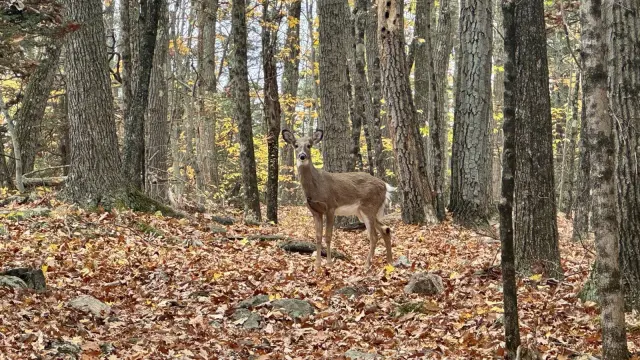
Sleep arrangements skewed heavily toward the tent: 99 nights under nylon versus only 10 in shelters, 24 in hostels and 8 in hotels. There were also 8 nights in strangers' homes and 3 cowboy camps under the stars. Wildlife sightings ranged from 6 bears and 39 snakes (only one large venomous one) to two elusive fishers, shameless deer in Shenandoah and the Smokies that wandered right up to the tent, three embedded ticks, and zero moose. Quirkier tallies: 87 SPAM singles eaten, 21 whole pizzas demolished in single sittings, 34 encounters with trail magic, 12 hitchhikes, roughly 30 pounds lost, and zero days spent thinking about quitting.
So who is this for? Anyone considering a thru-hike gets a rare, honest baseline: expect around $10,000 if you like town food and the occasional hostel, plan on burning through multiple pairs of shoes, and budget mentally for the fact that injury — not motivation — is what derails most schedules. Even armchair hikers get a vivid picture of trail life, from shelter mice to the kindness of strangers offering a bed for the night. The data also makes clear that flexibility matters more than speed: the biggest costs came not from hiking but from getting hurt and needing shuttles, medical care and replacements.