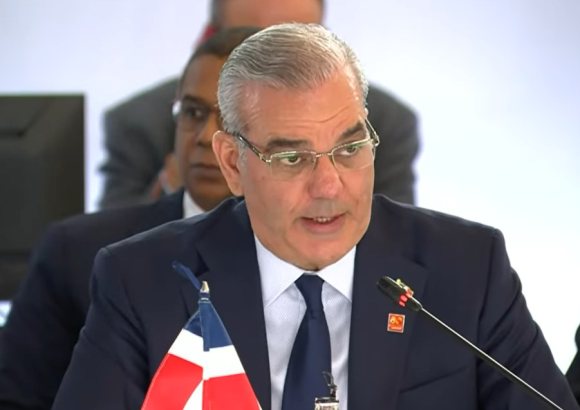
Speaking in Madrid at the XXX Ibero-American Summit of Heads of State and Government, Dominican President Luis Abinader pressed fellow leaders to build stronger early warning systems and coordinated disaster risk management across the region. The summit was headed by King Felipe VI of Spain, and Abinader used the platform to make a pointed case: for a Caribbean island nation, one bad hurricane season can undo years of economic and social gains.
His argument is grounded in hard reality. The Dominican Republic sits squarely in the Atlantic hurricane belt, and storms like 2017's Maria and Harvey showed how quickly infrastructure, tourism economies and whole communities can be knocked back. Abinader called on Ibero-American countries to share resources, expertise and hard-won experience through stronger regional mechanisms for both prevention and response. His core message: resilience built in isolation is no resilience at all.
For travellers, this matters more than it might first appear. Early warning systems are the difference between a well-managed evacuation and chaos, and they directly affect how quickly hotels, airports and resorts reopen after a storm. A Caribbean that invests in coordinated forecasting and disaster planning is a Caribbean where off-season trips carry less risk — and where the tourism dollars that many island economies depend on return faster after weather events.
The Dominican Republic is one of the region's biggest tourism players, drawing millions of visitors a year to Punta Cana, Puerto Plata and Samaná. That exposure cuts both ways: tourism is a lifeline for the economy, but it concentrates workers, infrastructure and investment along coasts that hurricanes hit first. Abinader's push for shared regional systems is as much about protecting that industry as protecting residents.
The summit's focus on climate cooperation reflects a broader shift. Caribbean and Central American nations contribute little to global emissions yet rank among the most exposed to their consequences, and leaders have increasingly used international gatherings to argue for funding, technology transfer and mutual support. Whether the Madrid declarations translate into funded, functioning cross-border warning networks remains to be seen — but the Dominican Republic, having rebuilt repeatedly after major storms, is positioning itself as a voice for practical, regional solutions rather than promises.
If you're planning a Caribbean trip during hurricane season (June to November), keep an eye on how destinations handle weather preparedness. Countries with robust alert systems, clear evacuation routes and infrastructure investment — the kind of measures Abinader is championing — are simply safer bets for shoulder-season travel.
Story via Dominican Today.