Every October 12, while the United States marks Columbus Day, Colombia throws its weight behind something different: the Day of Ethnic and Cultural Diversity of the Colombian Nation. It is a public holiday with a complicated past, and the way it has changed says a lot about the country travellers meet today.
The date itself is fixed in history — October 12, 1492, when Christopher Columbus made landfall in the Americas. In the early 20th century, several Latin American countries and Spain adopted it as 'Día de la Raza', a term credited to former Argentine president Hipólito Yrigoyen around 1913 and promoted by Faustino Rodríguez-San Pedro of the Ibero-American Union. Colombia officially adopted the holiday in 1914. But the framing was squarely Eurocentric, celebrating Hispanic heritage while glossing over the colonisation, exploitation and cultural erosion that followed — and sidelining indigenous, Afro-descendant and other communities entirely.
Over the 20th century that narrative came under growing challenge from social and academic movements, and countries across the region began renaming the day. Chile went with the Day of the Encounter of Two Worlds; Argentina picked the Day of Respect for Cultural Diversity; Nicaragua and Venezuela chose versions of the Day of Indigenous Resistance. Colombia followed suit more recently: the Ministry of Culture pushed for a change in 2021 under President Iván Duque, and approval came through in 2023, making October 12 officially the Day of Ethnic and Cultural Diversity of the Colombian Nation.
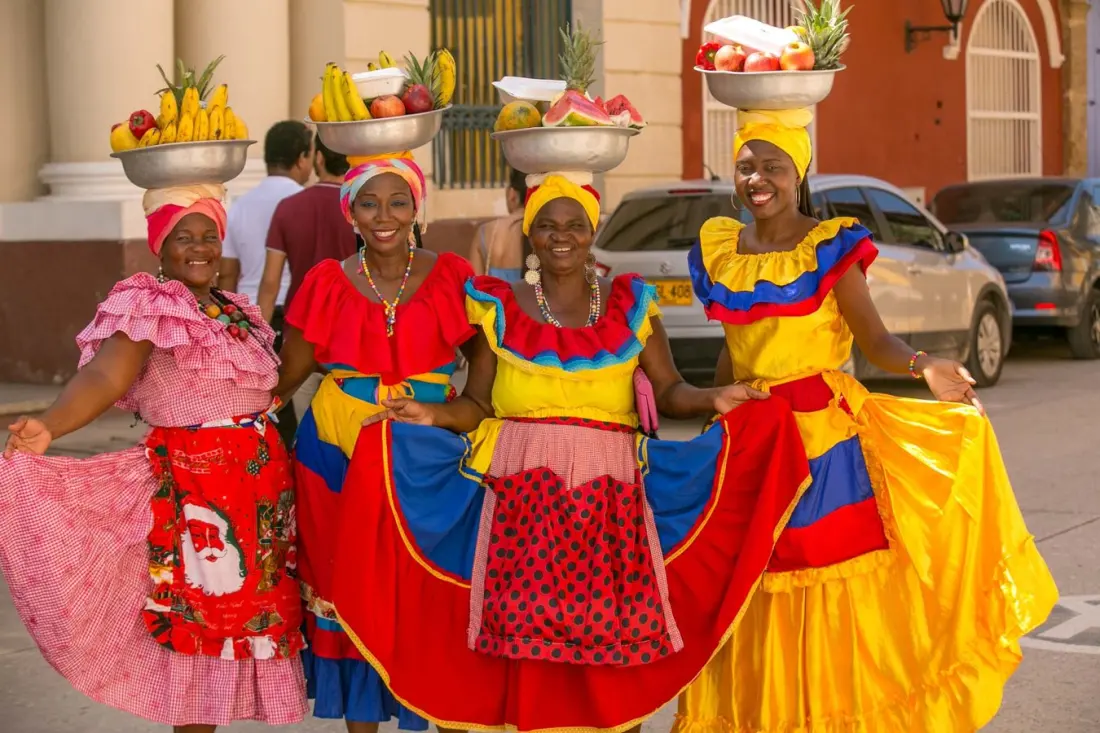
Why does this matter beyond the history books? Because Colombia is one of the most culturally diverse countries on earth. It is home to more than 80 indigenous peoples, plus Afro-descendant, Palenquero and Raizal communities alongside mestizo and other groups. That plurality shows up everywhere a visitor looks — in the Caribbean-inflected rhythms of the coast, the Palenque villages near Cartagena, the highland markets where indigenous traditions remain part of daily life, and the Spanish-colonial architecture layered over much older foundations.
The holiday's modern spirit is neither a celebration of colonialism nor a rejection of Spanish influence. Colombians frame October 12 as a moment to reflect on mestizaje — the blending of indigenous, African and European cultures — and the syncretism that produced the country's food, music, language and festivals. For travellers, understanding that context makes the country's cultural richness far more legible. Timing a trip around mid-October means arriving during a national holiday when local pride in this diversity is on full display, often with cultural events in major cities.
The name change also matters practically: it signals to visitors that Colombia's identity is not a single story but a conversation between many communities — and that respectful curiosity about indigenous and Afro-Colombian heritage will be rewarded, whether that means visiting San Basilio de Palenque, learning about the Wayúu in La Guajira, or simply listening to how Colombians themselves talk about who they are. Source: Colombia One.