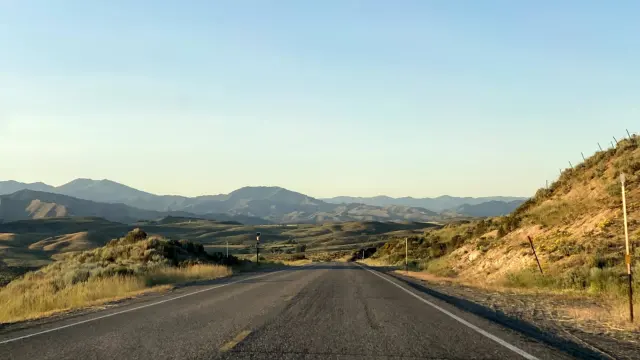
Day five on the Camino de Santiago packs nearly two millennia of history into under 14 miles of walking. The route from Puente la Reina to Estella in Navarra, northern Spain, follows original Roman roads, crosses two 2,000-year-old Roman bridges, and threads through a chain of hilltop medieval towns built for war.
The day starts gently. From Puente la Reina's central square, pilgrims exit through a stone gate in the old fortress walls and immediately cross the town's famous Roman bridge. After a pastry-fuelled send-off — Spanish morning baked goods run lightly sweet, a world away from sugar-heavy American versions — the trail climbs a punchy 450 feet in less than half a mile to the walled village of Mañeru.
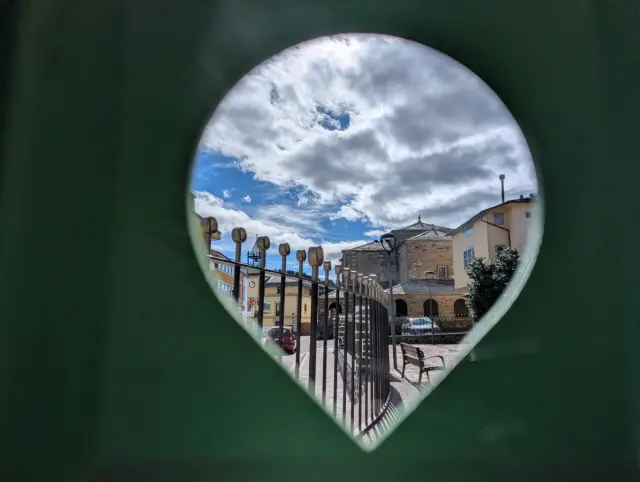
Towns here were built on hills for a reason: constant attack. Mañeru's thick stone walls, narrow streets and central square all served defence. Look closely at the window slots in the ancient buildings — no glass, angled inward to deflect arrows, shed rain and soften incoming light. It's medieval architecture doing double duty as fortification.
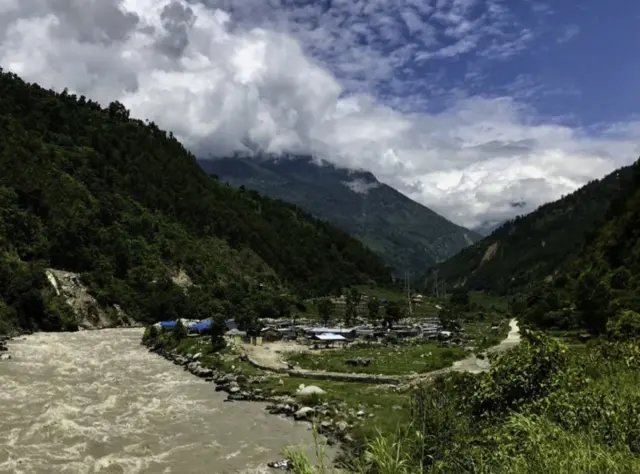
Next comes Cirauqui, arguably the day's highlight, entered through a Gothic arch in walls three feet thick. On the far side, the path drops onto an original Roman road — still walkable after two millennia — leading down to another Roman bridge. Beyond it, spring transforms the hills: canola fields glowing yellow, vineyards climbing every slope, olive and fruit groves scattered between, wildflowers in rose, purple and white lining the way into Lorca. With temperatures in the 60s Fahrenheit, it's close to perfect walking weather.
Then the day turns dramatic. From a ridge, the author watched a violent storm barrel across the open fields — nowhere to shelter, lightning striking the ground nearby, a 20-degree temperature drop and torrential rain. The safest option was a bridge underpass about a mile ahead, reached at a fast pace past power line structures and lone trees (both lightning magnets). The lesson: on exposed Camino stretches, know where your bail-out points are and don't try to outrun a storm.
The day closes in Villatuerta's ancient church — thick stone walls hold warmth nicely after a cold soaking — and finally Estella, the day's destination. A modern footnote: the rental apartment's washer-dryer locked the wet laundry inside. Ancient roads, medieval sieges, a lightning storm — and the washing machine wins the prize for most frustration.
For anyone considering this stretch, it's a great sample of why the Camino Francés is so popular. You get Roman engineering, fortress villages, rolling farmland and real weather, all on a manageable 13-14 mile day with villages spaced for coffee and lunch stops. Spring is the sweet spot: green hills, wildflowers, mild temperatures. Pack proper rain gear regardless — the same open fields that make this section beautiful offer zero shelter when a storm rolls in. Apps like Farout help track distances to the next bridge, town or underpass, which matters more than you'd think when the sky turns black.
Story via The Trek.