The mountain fell on 26 August, and the flood it sent down the Trisuli river valley changed life for hundreds of thousands of people. Now, as Nepal's government shifts from search-and-rescue to reconstruction, a quieter emergency is unfolding across Dhading district: a health system that survived the water but is being undone by what the water took with it.
The maths is stark. Trisuli Provincial Hospital, the region's main source of specialist care, is still standing on its high ground — but patient numbers have halved since the flood, according to director Rajendra Lama. Not because people got better, but because bridges and roads are gone. Patients on the far bank face a cable basket crossing over debris-strewn water; the hospital has posted staff on the other side just so people don't have to make that trip. At Benighat, a health post that saw 52 patients a day — half of them from the Chepang indigenous community — lost its ground floor and every piece of equipment in it, along with the bridge that connected it to the villages it serves.
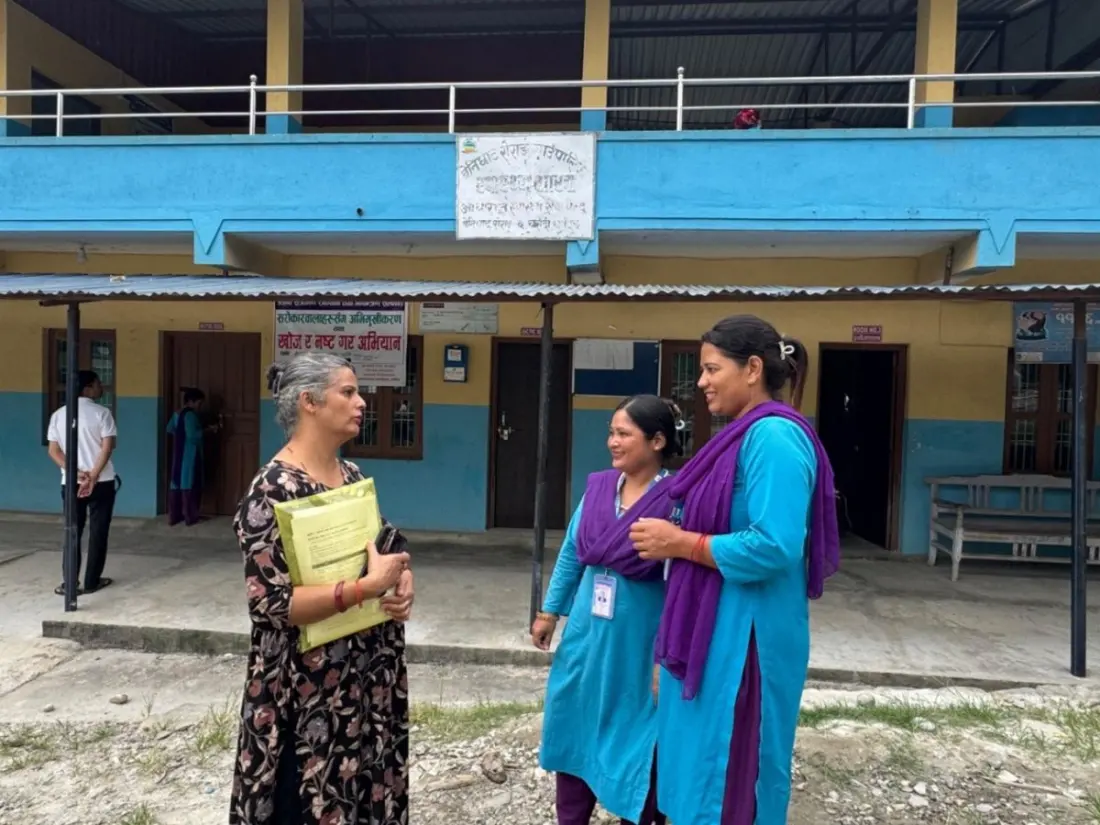
The knock-on effects reach far beyond broken buildings. A mother in Benighat now carries a feverish child on a long detour to reach basic care. In Gajuri, a primary health centre that escaped physical damage is nonetheless missing a working patient monitor, a usable ECG machine, and key maternity equipment — so a 31-year-old woman in labour recently began a five-hour journey over damaged roads to a Kathmandu maternity hospital. People with diabetes and hypertension are running out of medicines, and displaced families in crowded tent camps face unsafe water and the threat of disease outbreaks.
Writer Srijana Devkota of Nyaya Health Nepal argues that relief agencies and municipalities must now treat roads and bridges as health infrastructure. Rebuilding them matters for the Trisuli corridor's economy, sure — but a washed-out bridge turns a manageable pregnancy complication into an obstetric emergency, and a swept-away pharmacy turns a treatable illness into a fatal one. The health system here serves a catchment of at least 250,000 people, and food parcels alone won't rebuild it.
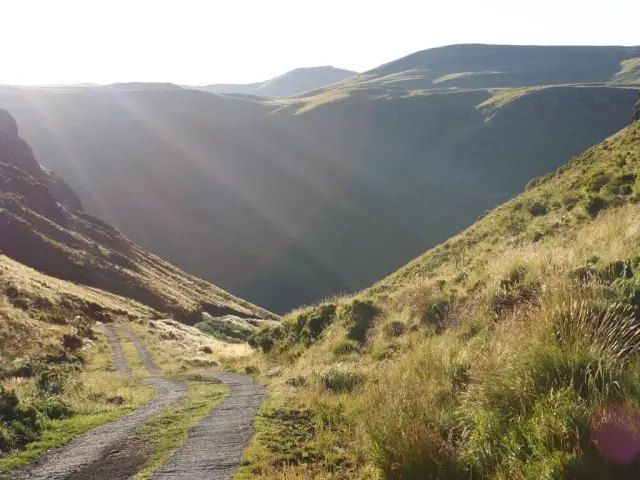
There's a lesson for anyone who travels in Nepal's hill regions, too: in these valleys, a road isn't just a convenience, it's the difference between a clinic being reachable or not. The Trisuli route north towards Langtang and Ganesh Himal trekking areas runs straight through the worst-hit stretch near Betrawati, Trisuli Bazar and Devighat, where entire neighbourhoods are buried in grey mud and rice fields sit under metres of silt. Anyone planning travel through central Nepal should check road status closely and expect long, slow detours well into the reconstruction period.
The article's closing warning is worth sitting with: the real danger arrives when attention moves on. Cameras leave, relief deliveries shrink, winter comes — and the health consequences stay.