Most trail diaries from the John Muir Trail read like highlight reels: alpine passes, turquoise lakes, triumphant summit photos. A recent dispatch from a hiker deep into an October JMT attempt offers the other version — and it's worth reading if you've ever dreamed of the Sierra Nevada.
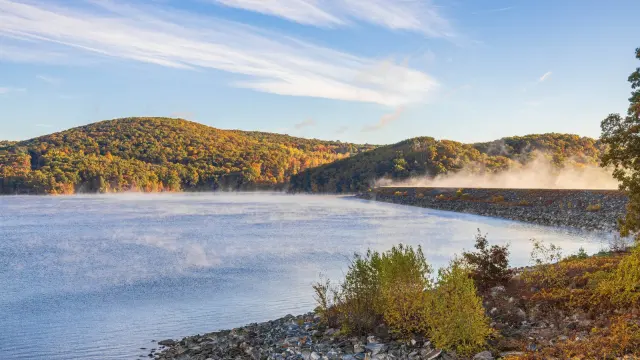
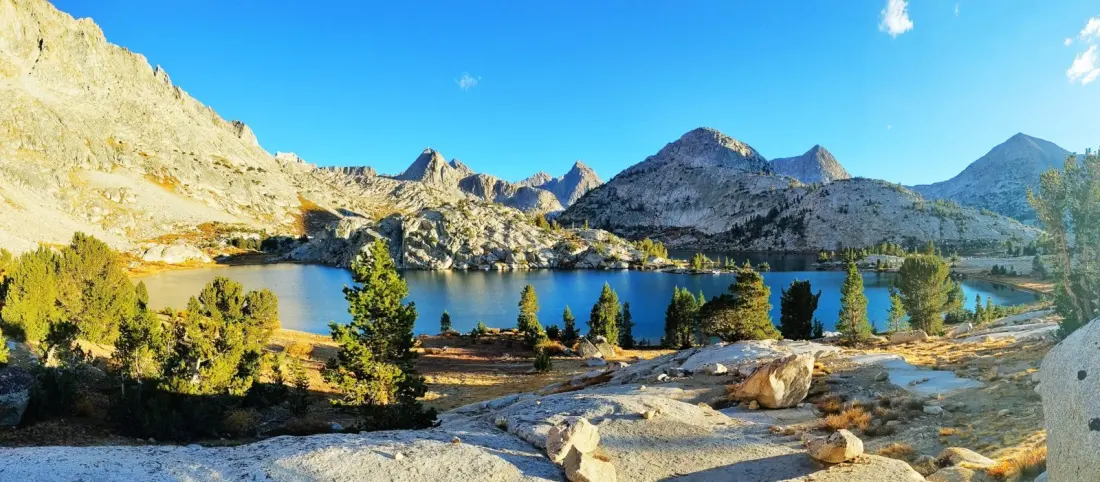
The account covers days seven and eight of the hike, from a rock-hop crossing of Bear Creek (flagged on the FarOut app as one of the trail's most dangerous fords, though nearly dry in October) up and over Selden Pass, past the Sallie Keyes Lakes, and onward to Evolution Lake in Kings Canyon National Park. On paper it's classic JMT country: meadows, granitic basins, and the kind of silence that stretches a full day between human encounters — the hiker went from 10am one day to lunchtime the next before meeting another soul, a southbound Pacific Crest Trail hiker who startled him mid-lunch.
But the honest part is the toll. Carrying a heavy load — extra insulation, gear for weather extremes, and the long food carries that late-season Sierra conditions demand — broke down his body, and the isolation eroded everything behind it. Ranger cabins stood empty for the season, the last PCT hikers had passed by, and there was no mobile signal to call home. At Evolution Lake, after a grinding 11.5-mile day with over 3,000 feet of climbing, the journal entry turned dark: serious depression, feelings of abandonment, and anger at the thought of failing. He describes the arithmetic that haunted him — more passes ahead, then 26 miles off trail just to resupply and repeat the whole punishing exercise at higher difficulty.
There are lighter moments too: a 90s hip-hop playlist powering the climb to Selden Pass, a fawn wandering within 20 feet for a drink, cold feet-soaks in Sallie Keyes Lakes. And one genuinely useful gear note — his electronics and battery bank were running so low he had to fall back on a paper map for navigation, a reminder that battery management matters far more in autumn, when days are short and cold drains devices fast.
Why should a traveller care? Because the JMT's Instagram image hides real risks. The window for hiking it safely is narrow: by October the trail is nearly empty, which sounds idyllic until you realise that means no one around if something goes wrong, heavier packs for unpredictable weather, and no ranger presence. The story is a useful reality check for anyone eyeing a shoulder-season Sierra trip — the beauty is real, but so is the physical and mental price, especially for solo hikers. If a remote multi-week trek is on your list, this is what the hard days actually look like, and why timing, pack weight, and honest contingency planning matter more than fitness alone.
The Trek