India is giving its visa paperwork a serious trim. The Ministry of Home Affairs has confirmed that new application forms will carry 65% to 70% fewer required fields, with the streamlined system expected to be live by the end of 2026. Anyone who has filled in the current form will understand why: it can ask for your parents' nationalities, every country you've visited in the past decade, and a reference contact inside India. Which questions survive the cut hasn't been announced yet.
The reforms go deeper than shorter forms. India is consolidating its main visa categories from 13 to nine, and subcategories from 49 down to 23. The biggest change for holidaymakers: the Tourist Visa becomes a broader Visitor Visa, covering not just sightseeing but a range of short-term activities.
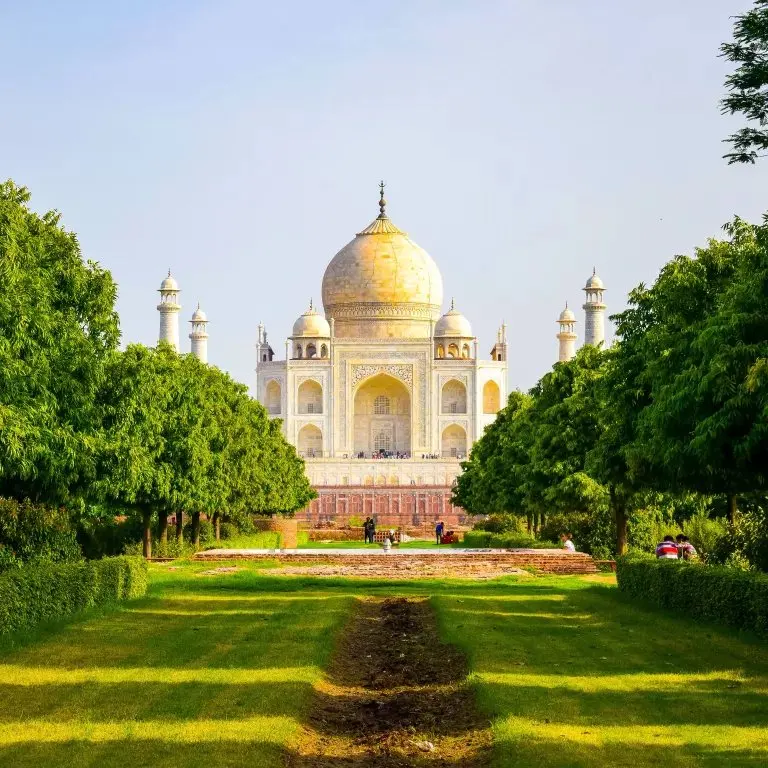
Two visitor options will sit at the centre of the new system. The V-1 is a 30-day, multiple-entry short-stay permit that extends beyond tourism — it covers wellness retreats, business meetings, and short courses in things like Indian languages, music, art or crafts. That last part is quietly significant: you could plan a trip around a two-week block-printing workshop or a tabla course, legally, on the same visa you'd use for the Taj Mahal and Jaipur.
For repeat visitors, the V-2 covers longer horizons, with validity options of one, five or 10 years. If India is a place you return to — and many travellers do — the multi-year option could remove a lot of repeat admin. Just pay attention to two separate numbers: how long the visa itself is valid, and how many days you're allowed per entry. They're not the same thing.
South African passport holders can already apply for India's e-tourist visa online, so the process is digital now and will stay that way through the transition. If your trip is booked before the new system lands, use the official Indian e-Visa portal and check which application options apply to your passport and travel dates.
Why it matters: India has long been one of the more demanding visa applications in Asia for ordinary tourists, and cutting the form by two-thirds removes a real friction point — especially for families and first-time visitors. And for anyone building a trip around more than monuments, the expanded Visitor Visa makes combinations like yoga retreats plus Golden Triangle touring, or a craft course plus a Himalayan detour, straightforward on a single permit. If Agra at sunrise is the anchor of your plans, start the application early anyway; you'll want the spare time for deciding how long to linger and where else to go.