A genuine rule change is coming to the southern end of the Appalachian Trail, and the internet has had a field day with it. The US Forest Service has signed an order requiring every overnight camper on the AT in Georgia's Chattahoochee-Oconee National Forest to carry and use a bear-resistant canister for all food, food containers, rubbish and toiletries. The order was signed by the Forest Supervisor in Gainesville on 6 November and takes effect on 1 January 2027.
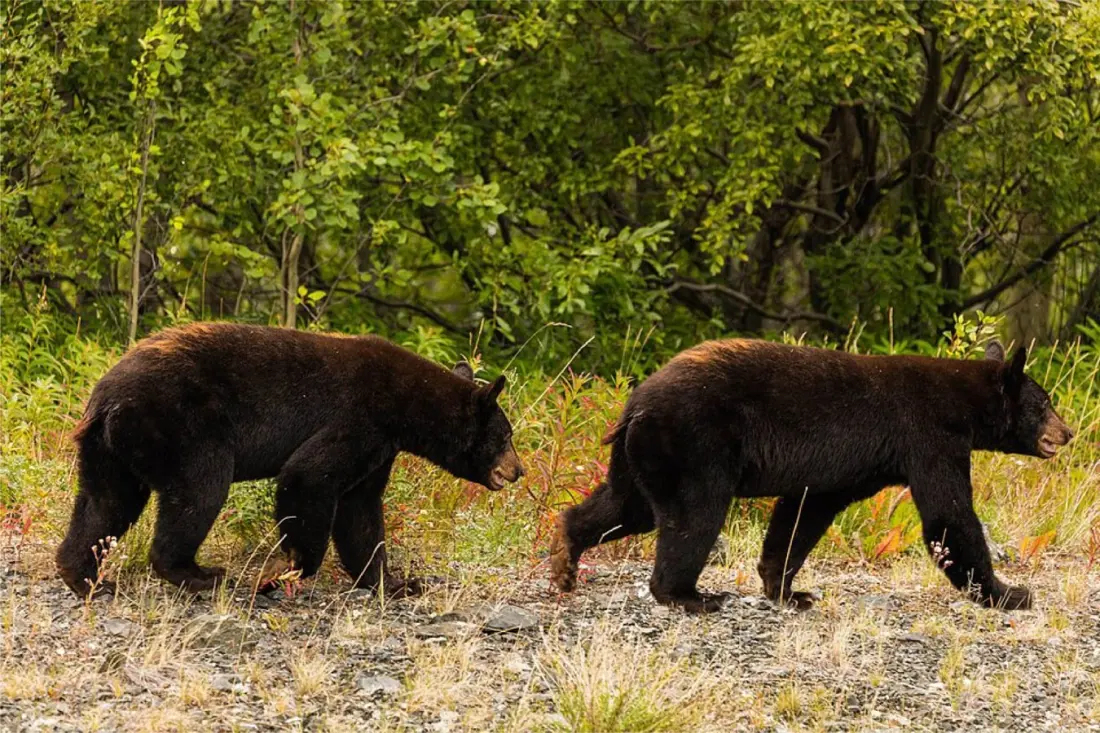
The reason is straightforward: human-bear encounters in northern Georgia have been climbing for years, driven largely by newer backpackers who store food badly. Spring is peak season for first-timers on the AT, and their careless bear hangs and left-out rubbish have turned campsites into reliable buffets for local black bears. The Forest Service hopes mandatory hard-sided canisters will cut those conflicts sharply.
Enter the satire. The Trek's piece, written by its comedy arm The PUD, reports that hundreds of bears have responded by migrating north to North Carolina along the AT itself — complete with hike plans, imitation hiker mileage, and a mild case of Hiker Hunger heading into hibernation season. Interviewed bears praise decades of 'charitable' thru-hikers leaving ramen, Snickers and Mountain House meals at every campsite, and one holdout — a self-described 'Li-bear-tarian' — denounces the whole thing as government overreach. One especially good detail: some bears have reportedly made it as far as the Nantahala Outdoor Center, where staff locked the doors while the newcomers scavenged leftovers outside the Big Wesser Riverside Pub.
None of that is real — the article is clearly labelled as fiction. But the underlying regulation is, and it matters for anyone planning a spring start on the AT. From 2027, you won't be able to rely on a hang or an unscented bag in Georgia; you'll need an actual certified canister (brands like BearVault and Garcia are the usual suspects), which adds roughly two to three pounds to your pack. Section hikers and beginners should budget for the purchase or look into rental options from outfitters.
The change also signals a broader trend on long trails: hard-sided food storage is increasingly the norm, not the exception, as bear populations recover and trail use grows. If you're planning a Georgia section hike before 2027, proper food storage is still strongly advised — the bears currently enjoying hiker leftovers haven't read the news.
Who should care: anyone aiming for a spring thru-hike attempt, weekend section hikers in the Georgia mountains, and travellers combining a bit of trail time with a trip to Dahlonega, Amicalola Falls or the Nantahala Gorge. The rules are practical, not punitive — and unlike the bears in the story, you won't need to relocate to North Carolina to adapt.
Satirical source: The Trek.