Ecuador's power grid buckled on Monday evening when the National Electricity Operator (Cenace) ordered emergency blackouts across at least four provinces, after drought-hit hydroelectric plants could no longer keep up with demand.
The cuts began at 3:30 p.m., when Cenace conceded it would fall short of the evening's 5,400 megawatt demand. Controlled disconnections clawed back 620 megawatts, with outages reported in Pichincha, Tungurahua, Cotopaxi and Pastaza provinces. Quito radio reported that up to 200,000 households lost power in the capital's eastern suburbs of Tumbaco and the Valle de los Chillos — a reminder that even major urban areas are affected.
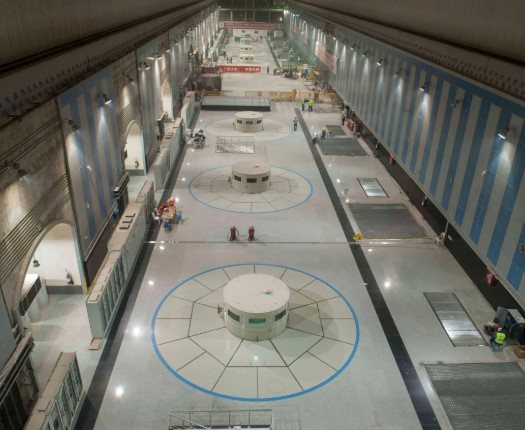
The culprit is a sharp drop in water flow at the country's biggest generating stations. Cenace described a 'drastic collapse' at the Coca Codo Sinclair plant in Napo province, Ecuador's flagship hydro project, and at all three plants in the Paute-Mazar complex in Azuay province. The Minas San Francisco plant, also in Azuay, was running at minimum capacity because the Rio Jubones is barely flowing. Officials expected power back by around 10 p.m. as demand eased, but warned the blackouts could recur and last longer on Tuesday without meaningful rainfall.
For travellers, the practical takeaway is simple: Ecuador is dealing with an energy crunch driven by weather, not infrastructure failure, and it can affect popular destinations from Quito and the central highlands (Tungurahua and Cotopaxi are on the adventure-travel circuit) to the Amazon gateway provinces. Expect possible evening outages, carry a charged power bank, keep a torch handy, and don't count on card payment machines or lifts working during a cut. Hotels in tourist zones often have generators, but smaller guesthouses may not. If you're planning hikes, early flights or anything time-sensitive, build in a buffer in case the lights go out.
The situation is fluid — the grids may stabilise quickly if the rains arrive, or worsen if the dry spell continues, so check local news before and during your trip.