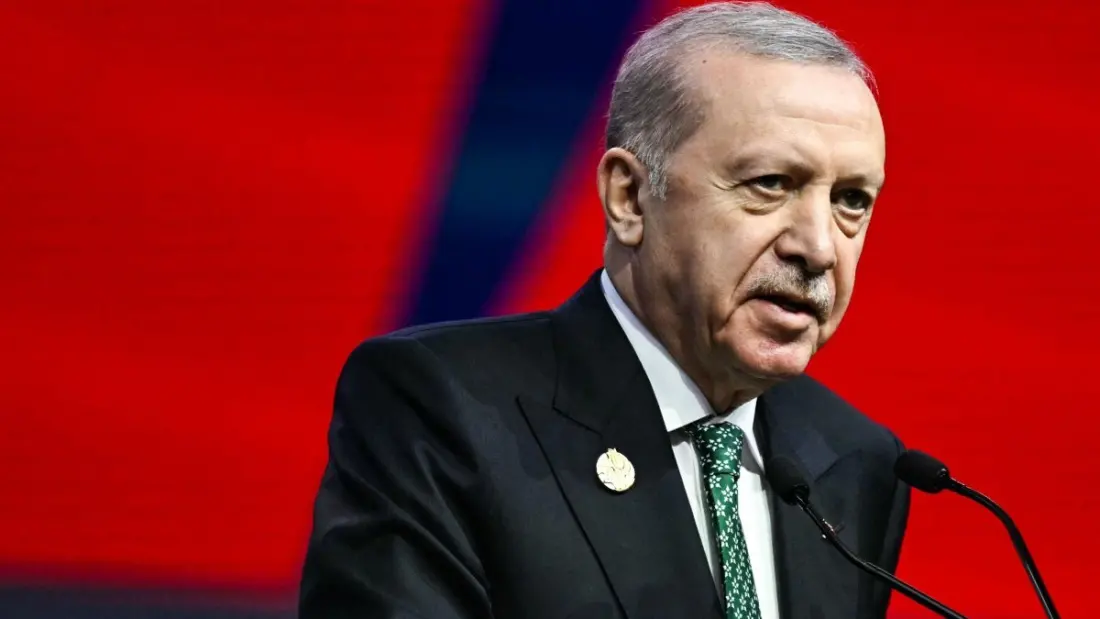
Türkiye's investment fund sector is going through its biggest clean-up in years, and President Recep Tayyip Erdoğan wants it finished by the new year. At a Monday meeting of the ruling AK Party's Central Executive Board, he instructed the party to complete the liquidation of troubled funds before year-end, according to Turkish media reports carried by Daily Sabah.
The backstory: in September, regulators ordered the liquidation of 131 funds run by seven asset managers after warnings that some could not meet redemption requests. Around 456,000 investors had roughly $20 billion tied up in these products. Treasury and Finance Minister Mehmet Şimşek said on Sunday that TL 161 billion, about $3.2 billion, has so far been repaid to investors.
Alongside the liquidations, a wider legislative fix is in motion. AK Party parliamentary group chair Abdullah Güler briefed board members on a bill of roughly 25 articles that would amend the Capital Markets Law, raising prison terms and administrative fines for market manipulation, strengthening oversight and increasing transparency. The government aims to send it to Parliament before the end of the year and have it become law in January. Party spokesperson Ömer Çelik added that judicial processes against those behind the fraud and manipulation are being pursued seriously, and that some have already begun to answer for it.
So why does this matter if you're planning a trip to Türkiye rather than an investment portfolio? Two reasons. First, currency confidence. The Turkish lira's swings have a direct effect on what your holiday costs — hotel rates, restaurant bills and tour prices are often quoted with the exchange rate in mind. A government visibly stabilising its capital markets, with billions already repaid to investors, can help calm the currency, and that tends to filter down to more predictable prices for visitors.
Second, this is part of the broader economic program led by Şimşek that has been working to bring inflation down after years of steep price rises. For travellers, the practical takeaway is simply to keep an eye on the exchange rate when budgeting, use card payments or reputable exchange offices rather than informal ones, and avoid putting holiday money into any local investment products — regulated or not — unless you fully understand them. The scandal is a reminder that high-return schemes pitched to small savers carry real risk anywhere in the world.
For those who follow travel-industry news, the timing also matters: Türkiye is pushing hard on tourism revenue targets, and a calmer financial backdrop supports everything from airline capacity to hotel investment. None of this changes the fundamentals that make the country a great trip — Istanbul's layers of history, Cappadocia's balloon-filled valleys, the Turquoise Coast in summer. The fund saga is a domestic finance story, but it sits in the middle of the economic picture that shapes your travel money.
Bottom line: liquidations wrapped by year-end and new market-rules legislation in January signal a government moving fast to contain the damage. Visitors shouldn't worry about being caught up in it, but it's a useful cue to plan budgets with the lira's ups and downs in mind.