A good downpour looks like the end of Ecuador's power crisis. It isn't. In early October 2025, rain finally returned to Cuenca and other parts of the country, but the government still ordered new electricity disconnections for large industrial customers on October 9 — right in the middle of a national holiday weekend.
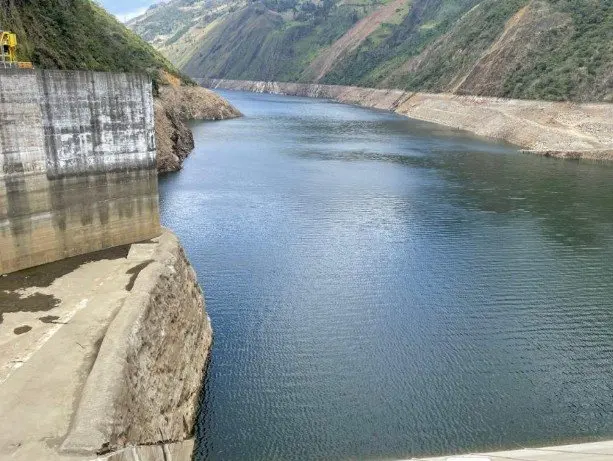
The problem is that rain falling somewhere isn't the same as water sitting in the right reservoir. Mazar, a key dam in the Paute hydroelectric complex east of Cuenca, gained roughly two metres after the rains, hitting 2,132 metres above sea level on October 5. By October 8 it had slipped back to 2,129.07 metres. The Paute system — Mazar, Molino and Sopladora — has about 1,757 megawatts of installed capacity, but that figure only counts what the turbines could produce with enough water behind them. Reservoirs are a trade-off: release water for power today, and there's less in reserve for tomorrow.
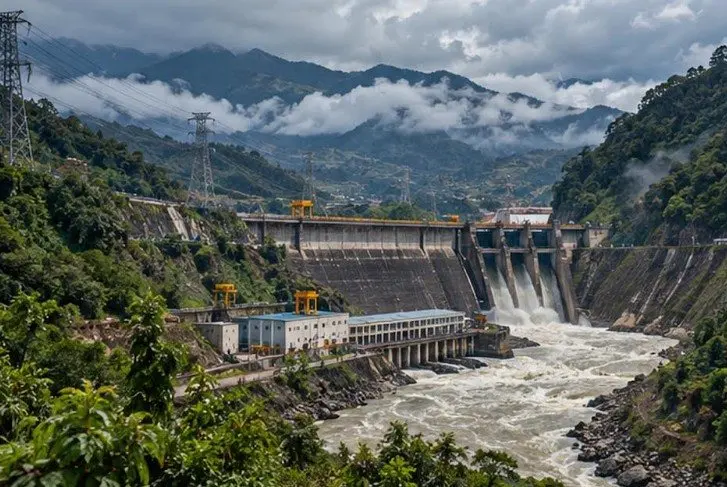
Weather complicates things further. Coca Codo Sinclair, the country's largest hydro plant, is mostly run-of-river, so it needs steady flow rather than stored water — and in mid-September it actually had to shut down temporarily because heavy rain washed too much sediment into the river. Too little water is bad. The wrong kind of too much can be worse.
Ecuador's fallback options are also under strain. The October 9 announcement cited not only poor water conditions but trouble delivering fuel to floating thermal power plants at sea — the backup generators that are supposed to cover hydro shortfalls. Meanwhile, imports from Colombia, Ecuador's grid neighbour, aren't a guaranteed fix: scheduled commercial exports to Ecuador had reportedly been at zero since September 7 under Colombia's own supply-first rules.
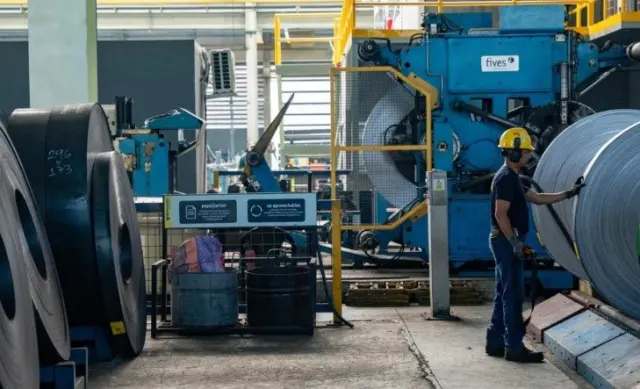
So who feels this? For now, mainly industry. Disconnections for high- and medium-voltage industrial customers were set to rise to three days a week from October 12, with extra temporary cuts over the holiday weekend. The stated goal is protecting household supply, and homes in Cuenca have kept their lights on. But exporters' federation Fedexpor warned the interruptions threaten export production, ports and logistics — meaning even a business with power can feel the squeeze through its suppliers.
For travellers, the practical picture is this: hotels, restaurants and shops in tourist areas are prioritised and life in Cuenca carries on much as normal. Still, anyone planning a trip should expect occasional local outages, keep device chargers and a torch handy, and build some flexibility into itineraries that depend on tight connections or remote lodges running on generator power. A rainy afternoon in the Highlands is a lovely sight — it just doesn't flip the switch on a national power problem.