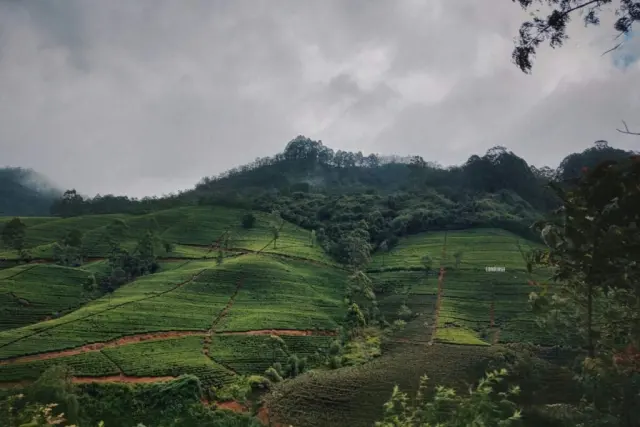
Trains are the smart way to cover ground in Indonesia — as long as you know where they actually run. Java is the heart of it all: frequent intercity services link Jakarta, Bandung, Yogyakarta and Surabaya, and the network dates back to Dutch colonial lines of the late 1800s. Everything today is run by PT Kereta Api Indonesia (KAI), which has spent the last two decades upgrading coaches and booking systems. The biggest leap is Whoosh, the Jakarta–Bandung high-speed line built with Chinese partners, which hits 350 km/h and does the trip in around 40 minutes. The same journey on a conventional train takes 3–4 hours but rolls past tea plantations and West Java's mountains — worth doing once for the scenery.
Where you can ride, in short: Java, easily; Sumatra, patchily (useful lines around Medan, West Sumatra and the Lampung corridor, but sparse and slow); Sulawesi, barely — a short modern DMU stretch between Makassar and Parepare is the beginning of a planned Trans-Sulawesi network. Kalimantan, Papua and the eastern islands have essentially no rail, so you'll be flying, bussing or ferrying.
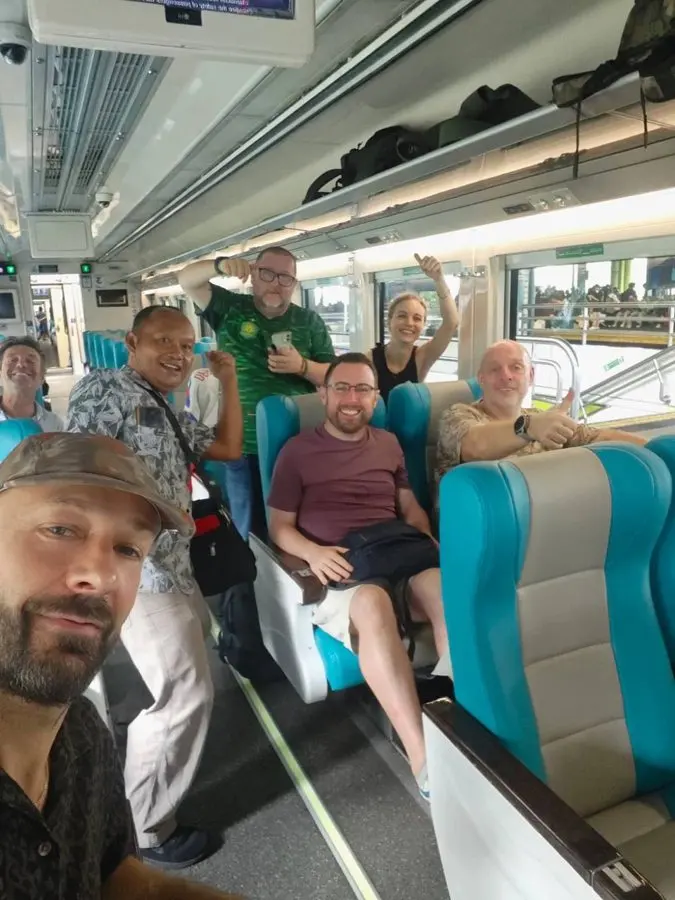
Ticket classes are straightforward once you know the tiers. Executive class (roughly 350,000–600,000 IDR, about $23–$40) gets you 2-1 reclining seats, strong air-con, power outlets on newer coaches, and blankets on overnight runs — the only realistic way to sleep on a long haul like Jakarta–Surabaya. Business class (200,000–350,000 IDR) is a solid 2-2 middle ground. Economy (50,000–150,000 IDR) is cheap, air-conditioned and crowded, with trolleys selling snacks. Commuter trains cost under 20,000 IDR and are more about soaking up local life than comfort. One warning: overnight "sleepers" here mean reclining chairs, not beds, and the announcements keep coming all night.
Booking is almost entirely online now, via the KAI app or site, with Tiket.com and Traveloka handy for foreigners. Tickets open 45 days ahead, and popular routes sell out during Indonesian holidays, so book early. Journeys tend to run on time, carriages are clean with plug sockets, and there's a dining car plus vendors hopping aboard at stops — nasi goreng on rails is very much part of the deal.
Who should bother? Anyone travelling between Java's main cities will save time and hassle versus buses, and rail fans get a bonus: the contrast between a commuter crush in Jakarta and gliding to Bandung at 350 km/h tells you a lot about where the country is heading. For slow travellers, the North Sumatra lines offer quiet, plantations-and-villages riding that mass tourism hasn't touched. Bring water, snacks and a jacket for the aggressive air-con, keep valuables close, and ride at least one slow train alongside the fast ones.