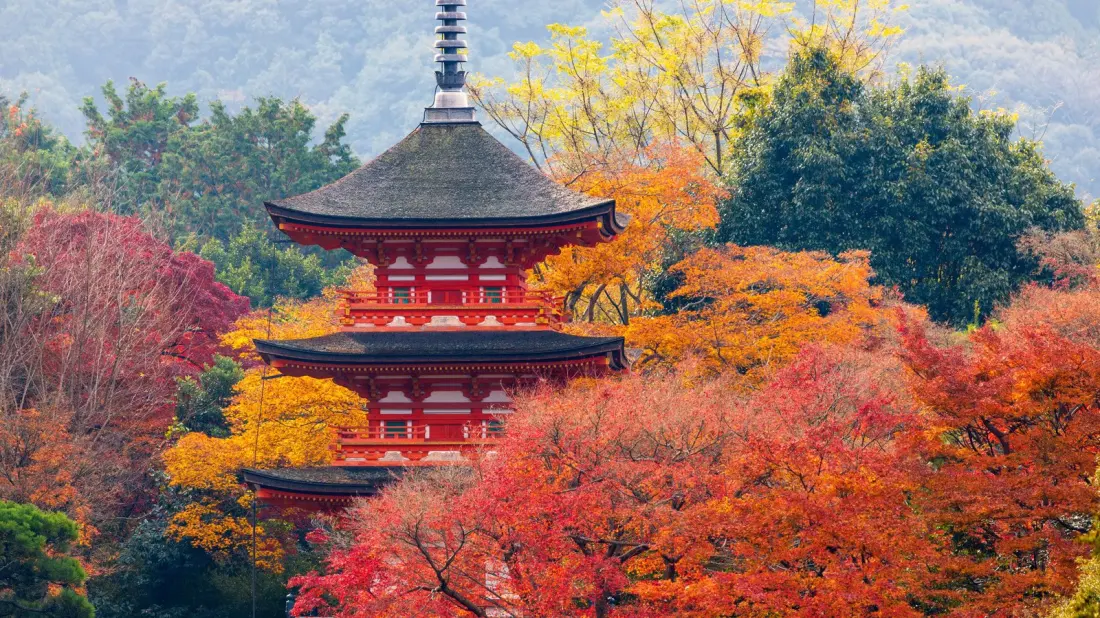
Japan welcomed more than 42 million visitors in 2025, and the strain is showing in the places everyone wants to see. The friction points reported by tourists are mostly fixable with a bit of planning — here's what travellers complain about most, and how to dodge the same problems.
Crowds top the list. Tokyo, Kyoto and Hokkaido's hotspots are packed at peak times, and things get worse during cherry blossom season, Golden Week and autumn foliage. It's gotten serious enough that Fujiyoshida cancelled its 2026 cherry blossom festival near Mount Fuji, with the mayor citing tourists littering and trespassing. The fix: travel off-peak and skip the classic Golden Route. The Japan National Tourism Organization suggests Kanazawa, Fukuoka and Iwate Prefecture as alternatives — and they're usually cheaper too.
The rail network baffles newcomers. Big cities layer JR lines, municipal subways and private railways, sometimes sharing stations and even platforms. Use Google Maps or the Japan Transit Planner, and note the operator, line colour, station number and platform — not just your destination. A prepaid IC card (Suica, PASMO or ICOCA) lets you tap in and out everywhere; a Tourist PASMO is now sold at Haneda and Narita airports.
Big suitcases are a headache on trains, with narrow gates, stairs and crowded aisles. Many travellers use takuhaibin luggage forwarding (Yamato Transport is the big name) to ship bags between hotels, typically with one-day turnaround. Note that on the Tokaido Shinkansen, luggage with combined dimensions over 63 inches needs a reservation for the oversized baggage area.
Spontaneity is tough here. Ghibli Museum tickets go on sale on the 10th of the prior month, Ghibli Park uses timed entry, and Tokyo Disney Resort and Universal Studios Japan release tickets roughly two months out. Shibuya Sky, the Pokemon Cafe and the Nintendo Museum all sell out fast. A simple spreadsheet of must-dos and booking dates saves a lot of stress.
Hotel rooms are small — a typical urban double runs around 200 square feet, with budget rooms closer to 150 or less. If that's a dealbreaker, look at vacation rentals (check they're legally registered) or treat yourself to a ryokan for part of the trip.
Finally, expect a language and dietary barrier. Even in Tokyo only about a quarter of residents speak conversational English, and rural areas have far fewer English speakers. Google Translate and a few phrases — sumimasen, arigatō gozaimasu, wakarimasen — go a long way. Travellers with food allergies should bring written notes of their needs, since explaining them verbally in restaurants can be a genuine struggle.
None of this should put you off. Japan remains one of the world's most rewarding destinations; it just rewards preparation more than most. Go light, book early, learn a handful of words, and stay flexible — the alternative is discovering these quirks the hard way.
Original source: Islands