Japan is finally counting its animal cafés. The Environment Ministry launched the country's first nationwide survey of these businesses in September 2026, aiming to find out how many exist, which species they keep and how the animals are treated. It won't shut anything down on its own, but it signals that a sector that has grown into a major tourist draw is about to come under real scrutiny.
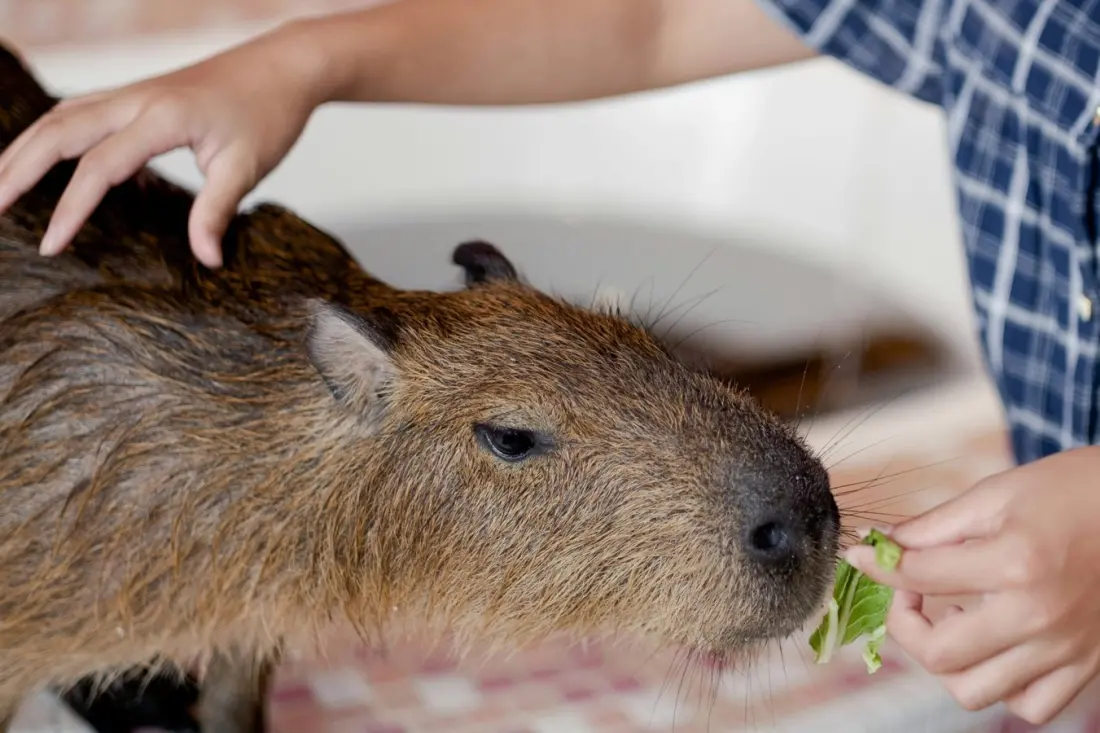
If you've travelled in Japan, you've probably seen them: cafés where you sip a drink while owls perch nearby or otters scamper across the counter. Some house ordinary pets like cats and dogs, while others keep marmots, reptiles and other exotic species. Until now there have been no specific national standards covering these cafés or the handling of many of the animals in them, a gap that ministry official Takuya Ishikawa acknowledged, noting that welfare groups and government advisers have repeatedly flagged concerns.
The worries aren't abstract. Researchers from WWF Japan and Hokkaido University visited 25 cafés near Tokyo in mid-2025 and counted 1,702 animals on display, including 31 species classified as threatened with extinction. Of roughly 80 registered wildlife cafés in Tokyo and Osaka, three-quarters were also licensed to sell animals, tying the attractions to Japan's live-animal trade — the country was the world's second-largest importer of live reptiles and mammals by value in 2024, according to a separate WWF report.
Public health is part of the picture too. More than 90% of the cafés the researchers visited displayed animals considered at high risk of injuring visitors through contact, and samples from four cafés tested positive for EHEC, a bacterium that can cause bloody diarrhoea. The government also plans a public awareness campaign, conceding it hasn't done enough to explain the risks of close contact with exotic animals.
Not everyone in the industry is defensive. Syaina Nozaki, who manages the Owl Otter Cafe in Kamakura and keeps rescued animals, said Japan is clearly lagging on welfare regulation and hopes new rules will separate responsible operators from those focused purely on profit.
Why does this matter for travellers? Animal cafés are a staple of Tokyo and Osaka itineraries, often booked by visitors who assume they're benign. As the survey unfolds, expect more transparency — and possibly tighter rules — about which animals can be handled and under what conditions. In the meantime, it's worth asking a café where its animals came from and choosing places that rescue rather than buy, like Nozaki's. Plenty of travellers may decide the cutest, most ethical option is a regular cat café with domestic animals, or skipping the wildlife interactions altogether.