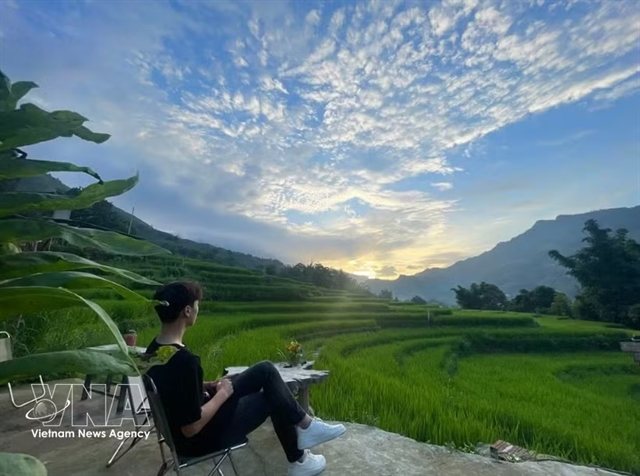
Vietnam's northern mountain province of Lào Cai, already famous for Sa Pa's misty rice terraces, is repositioning itself as a wellness destination. The provincial government has approved a plan for a 'Lào Cai Wellness Belt' – a network of routes running through 2030 and beyond, pairing hot springs, medicinal herbs and traditional medicine with smart resorts and community villages.
The concept splits into two circuits. One links Sa Pa, Y Tý, Tả Phìn, Bắc Hà and Bảo Hà, leaning on mountain resorts, cool highland climate and ethnic culture. The other threads through Mậu A, Văn Chấn, Mường Lò, Hạnh Phúc, Tú Lệ and Mù Cang Chải, where hot springs, herbal medicine and farming villages dominate. Each route will have at least three 'stations' – resort complexes with wellness services pitched at international standards.
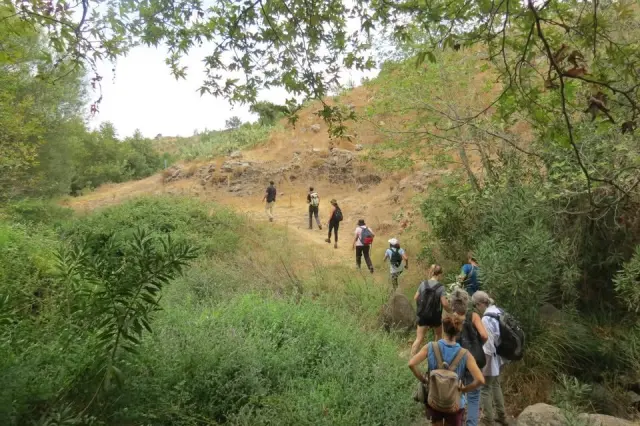
What does a wellness stop actually look like here? In Tả Phìn, a Red Dao village, herbal baths are the signature: blends of 10 to 30 forest plants, simmered and poured into wooden tubs to soothe tired hiking legs. Visitors can stay in traditional wooden houses, watch brocade weaving, hear Mông flute performances and try local food. Nearby, Hoàng Liên National Park draws trekkers to the Vàng Stream and Love Waterfall area – a cascade of roughly 1,600 metres through plant-rich forest, where weather can shift from cold mist to warm sun within a single day.
The numbers show why the province wants longer, higher-spending trips. Lào Cai welcomed over 9.8 million visitors in the first nine months of 2026, earning nearly VNĐ41 trillion (about US$1.58 billion). During the five-day National Day holiday in September, it hosted more than 450,000 visitors – double the previous year. Officials are targeting 17 million visitors and around VNĐ80 trillion in revenue by 2030, and they see wellness as the way to move beyond day-trip volume: more nights, more spending, more repeat visits.
For travellers, the timing is good. The Wellness Belt is still being built, so the experiences on offer now – Red Dao herbal baths, village homestays, waterfall hikes, meditation and wellness cuisine – come without international-resort pricing or crowds everywhere. Sa Pa is the polished end of the market, with high-end resorts in the Hoàng Liên Sơn range; Tả Phìn and Bắc Hà offer the quieter, more cultural alternative. If Mù Cang Chải is on your list for its famous terraced fields, the new route structure should eventually make it easier to pair with spa-style stops in the same trip. Anyone who travels to slow down rather than tick off sights will find this corner of Vietnam increasingly set up for exactly that.