Two thousand years before anyone carved a pumpkin, Irish pagans were gathering at bonfires on 1 November to mark Samhain, the Celtic New Year — and, they believed, the one night the barrier to the underworld dissolved. The supposed gateway? Oweynagat, a cave in a quiet field in County Roscommon, about 140km west of Dublin, known as the 'hell cave' and the mythical portal to Tír na nÓg, where fairies called Sidhe supposedly poured out each year to haunt the nearby royal site of Rathcroghan.
Halloween may have been popularised in America, where Irish immigrants carried Samhain in the 1800s, but Ireland is now firmly planting its flag on the festival. Tourism Ireland and Tourism Northern Ireland have launched a 'Home of Halloween' programme running across the whole island, with dozens of events built around Samhain's creepy history — fire processions, parades, storytelling tours and food experiences.
The headline acts: the Puca Festival in County Meath's Boyne Valley (29 October to 1 November), with heritage tours and a fire procession echoing prehistoric rituals, and Derry Halloween (28 October to 1 November), billed as Europe's largest Halloween festival, complete with fire shows and a replica ancient harvest market. Dublin, Limerick, Galway, Longford and Kilkenny all run smaller festivals of their own.
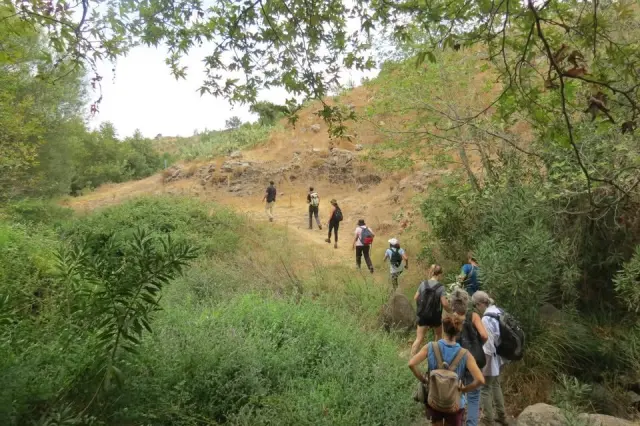
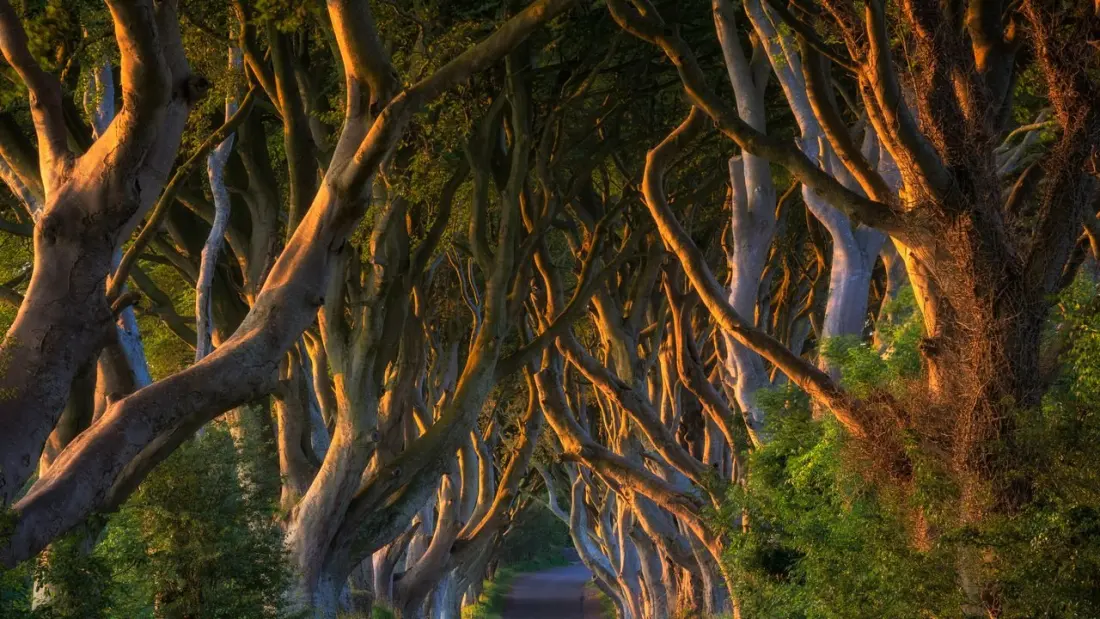
For the full origin story, head to Roscommon. Rathcroghan — Europe's largest un-excavated royal complex, with 240 archaeological sites spread over 6.5sqkm — is free to wander anytime, but a 2.5-hour guided tour booked via the Rathcroghan Visitor Centre in Tulsk costs €21.20; the centre's small museum is €6. Oweynagat cave itself is free to peek into (you can't enter for safety reasons). Further afield, Sligo's passage tombs at Carrowkeel and Carrowmore date back up to 5,000 years, the Hill of Ward (Tlachtga) in Meath offers seasonal guided tours for €27.50, and Dublin's National Leprechaun Museum runs 45-minute folklore tours for €18. Northern Ireland adds its own spooky landmark: the Dark Hedges, the beech-lined lane familiar from Game of Thrones.
Who is this for? Anyone who loves their history with a shiver attached — mythology buffs, fans of ancient sites without the crowds, and travellers who'd rather mark Halloween where it actually began than on a themed bar crawl. Late October is harvest-cold and atmospheric, and the festivals span both the Republic and Northern Ireland, so it's an easy excuse for a road trip across the border. Ireland isn't just joining the Halloween party; it's arguing it was always its own.