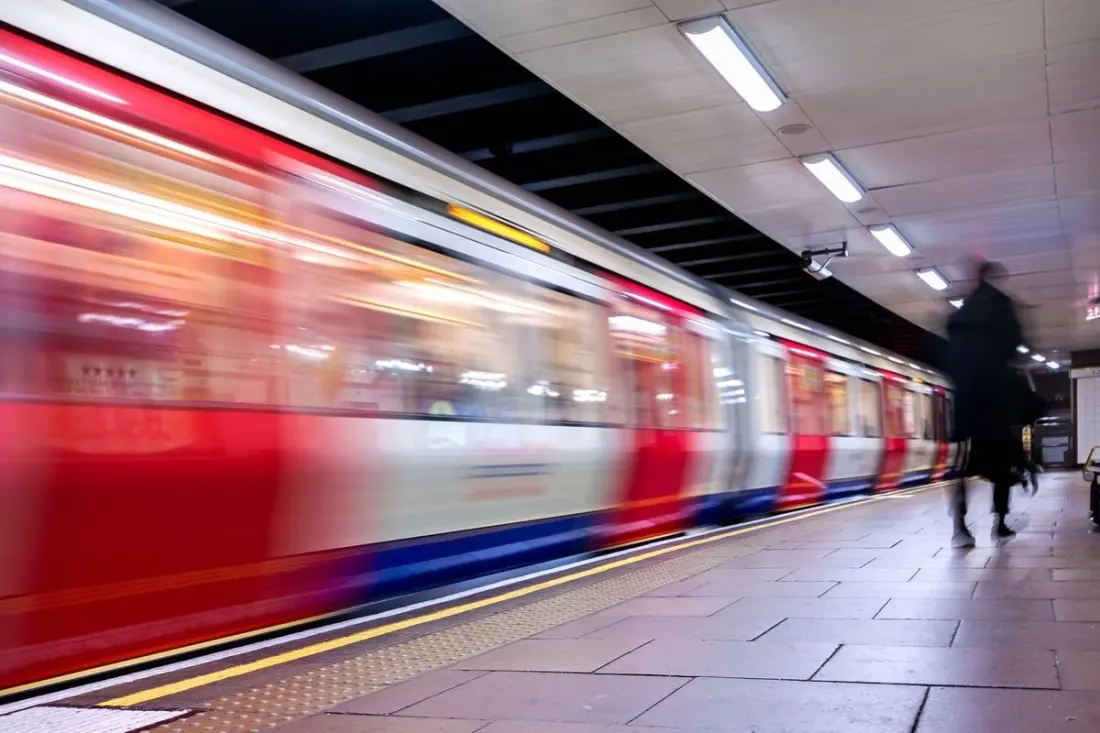
London's Underground is facing a winter of disruption. The RMT union has called eight separate 24-hour Tube driver strikes between late November 2026 and late February 2027, and the first one starts at midday on Thursday 26 November, hitting every line on the network.
Each walkout runs from 12pm on day one until midday the following day. The dates to avoid: 26-27 November; 17-18 and 19-20 December — the latter landing squarely on the last weekend before Christmas; 4-5 and 6-7 January; then three more in late February (17-18, 23-24 and 25-26).
TfL says trains will keep running on most lines during each strike, though it hasn't detailed how many. The Elizabeth line, DLR, London Overground, buses and trams are unaffected, so those will be packed. Anyone travelling on strike days is advised to check live timetables before setting out and to allow plenty of extra time.
The dispute is over London Underground's plan for a voluntary four-day week for drivers. TfL argues drivers gain more time off and can keep working five days if they prefer, with a guarantee of staying at their current depot. Aslef, which supports the scheme, says it means an extra 35 days off a year on 34-hour rosters. The RMT counters that the deal strips away existing protections, lengthens duties and could lead to hundreds of job cuts — it points to initial Bakerloo line rosters as evidence. Last-ditch talks between TfL and the union were scheduled for the Tuesday before the first strike, and previous rounds of action in March and May were called off after progress in negotiations, so a late suspension is still possible.
If you're visiting London this winter, the practical takeaway is to plan around the dates. The mid-December strikes are the ones most likely to catch out festive travellers — the 19-20 December window clashes with Christmas shopping and party season, when the network is already at its busiest. On strike days, build journeys around the Elizabeth line, Overground, DLR and buses, walk or cycle where possible, and expect taxis and ride-hailing services to be expensive and slow. Staying somewhere well-served by National Rail or a bus corridor rather than relying solely on the Tube will make life much easier. And keep checking TfL updates close to your travel dates, since talks could still remove some strikes from the calendar.