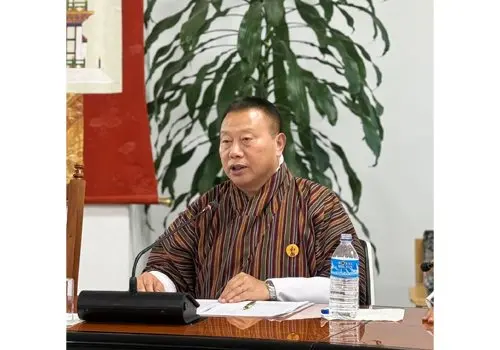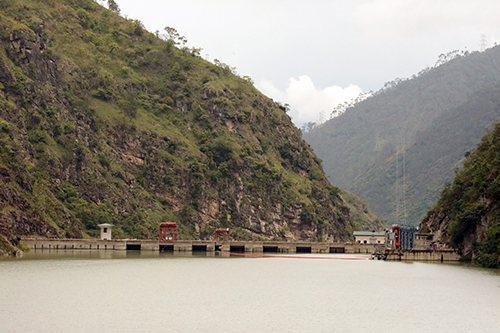
Bhutan's Finance Secretary, Leki Wangmo, has given an unusually candid account of how the country pays for itself. Speaking at the government's 33rd Meet-the-Press session, she confirmed what economists have long pointed out: most of Bhutan's public debt exists because of hydropower. Dams, financed largely through borrowing, generate the electricity exports that fund free healthcare, education and infrastructure across the kingdom.
The concern she was addressing is a familiar one in Thimphu — that GDP growth driven by megaprojects doesn't necessarily reach ordinary households, since hydropower creates relatively few jobs directly. Her answer was a shift in emphasis. Future investment will lean harder into agriculture, still the livelihood of a large share of the population, with money going into irrigation, farm roads, technology, market access and food processing to raise rural incomes. Education and health spending, she argued, have already paid off in the form of Bhutanese workers who can compete for jobs at home and abroad, though the stated goal is to make staying in Bhutan a viable ambition rather than a compromise.
On the debt question itself, the Secretary's argument is that this is productive borrowing, not consumption: the loans are tied to assets with future revenue streams from electricity sales. A joint IMF-World Bank assessment currently rates Bhutan at moderate risk of debt distress, with limited capacity to absorb shocks, and she flagged the real vulnerabilities — construction delays, cost overruns, currency swings and shifts in power revenues. The government says it tracks repayment obligations, foreign exchange reserves and project viability closely against the thresholds in its Public Debt Management Policy.
The most concrete change is how the next generation of dams will be financed. Instead of sovereign borrowing covering everything, Bhutan is moving towards Public-Private Partnerships, sharing both investment risk and future returns with private investors. That protects the government's balance sheet and frees fiscal room for other priorities, at the cost of a smaller share of the electricity revenue downstream.
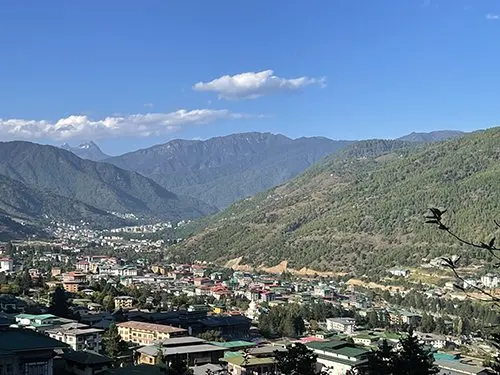
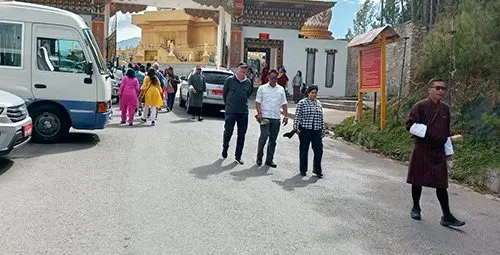
Why should a traveller care? Because this is the machinery behind the Bhutan you actually visit. The 'high value, low volume' tourism model, the pristine forest cover and the free services you see in Thimphu or Punakha all rest on the same development philosophy the Secretary was defending — growth judged by livelihoods and living standards, not just headline numbers. Hydropower exports are effectively the flip side of the Sustainable Development Fee tourists pay: both are ways a small, carbon-negative country funds its social model without wrecking what makes it worth visiting. Expect the dams being built with private partners to also matter on the ground, as the shift should keep public spending flowing to rural roads, schools and clinics in the valleys you pass through.