Kyrgyzstan has mountains, lakes and some of Central Asia's best trekking — but getting there costs a fortune. That's the core finding of a new World Bank report, which argues the country's restrictive aviation rules are keeping airfares high and visitors away.
The advice appears in the Country Private Sector Diagnostic for the Kyrgyz Republic, produced with the International Finance Corporation and published in November 2026. Its argument is straightforward: limited air connectivity means limited competition, and limited competition means pricey tickets. That, in turn, screens out exactly the higher-spending tourists the country wants to attract.
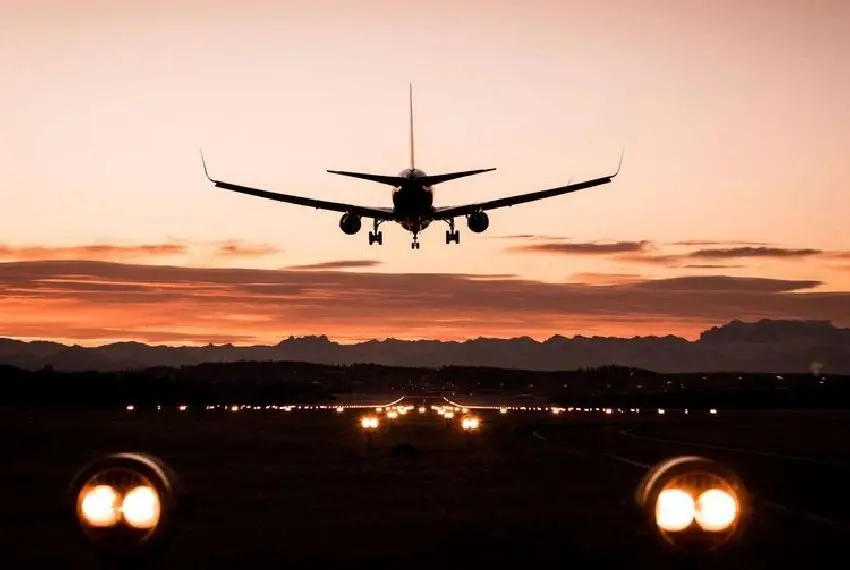
The report points out that current bilateral air service agreements restrict which airlines can fly to Kyrgyzstan, which routes they can serve, how often they can fly, how many seats they can sell and what commercial rights they enjoy. For an outside carrier, that's a wall of red tape — and few bother climbing over it. The result is a thin route network dominated by few players.
The World Bank's fix is a review of air agreements with the countries that matter most to Kyrgyz tourism, dropping restrictions on airline designation, route access, flight frequencies and capacity, and even trialling an open-skies approach on priority tourism routes. More competition and more international flights should, in theory, push fares down and make the country far easier to reach.
There's a caveat worth noting: the report cautions that simply counting more arrivals doesn't guarantee more tourism revenue. Getting the right visitors matters as much as getting more of them.
For travellers, this could quietly change the shape of a Kyrgyz trip. The country already offers serious draws — alpine trekking around Karakol and the Terskey Alatau, horseback adventures in the high summer pastures, and the huge blue expanse of Issyk-Kul. The missing piece has often been an affordable flight. If open-skies policies take hold, expect more direct options into Bishkek and, hopefully, fares that make a two-week mountain holiday realistic rather than aspirational. Watch this space: aviation policy shifts like this one tend to show up in flight search results long before they make guidebooks.