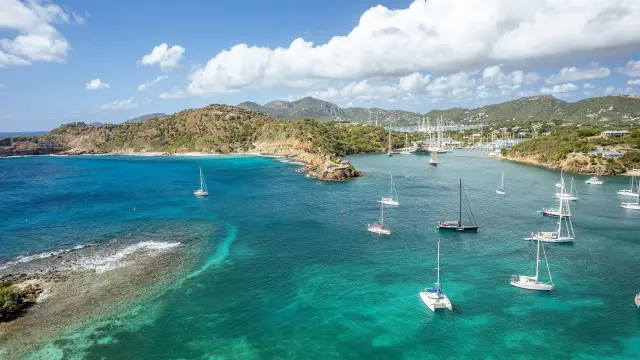
Most Caribbean islands pick one beach colour and stick with it. Martinique does all three. Volcanic black sand at Anse Noire, white sand at Anse Dufour just around the headland — swimmable in the same morning — and pink sand offshore on the Atlantic side. Better yet, American Airlines has just started flying nonstop from Miami to Fort-de-France twice a week, with round-trip fares spotted around $656.
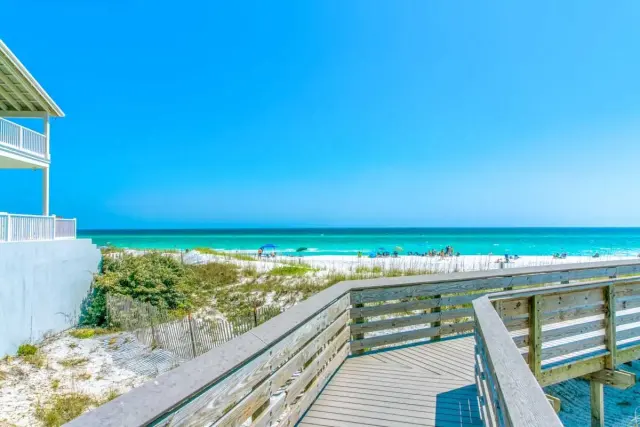
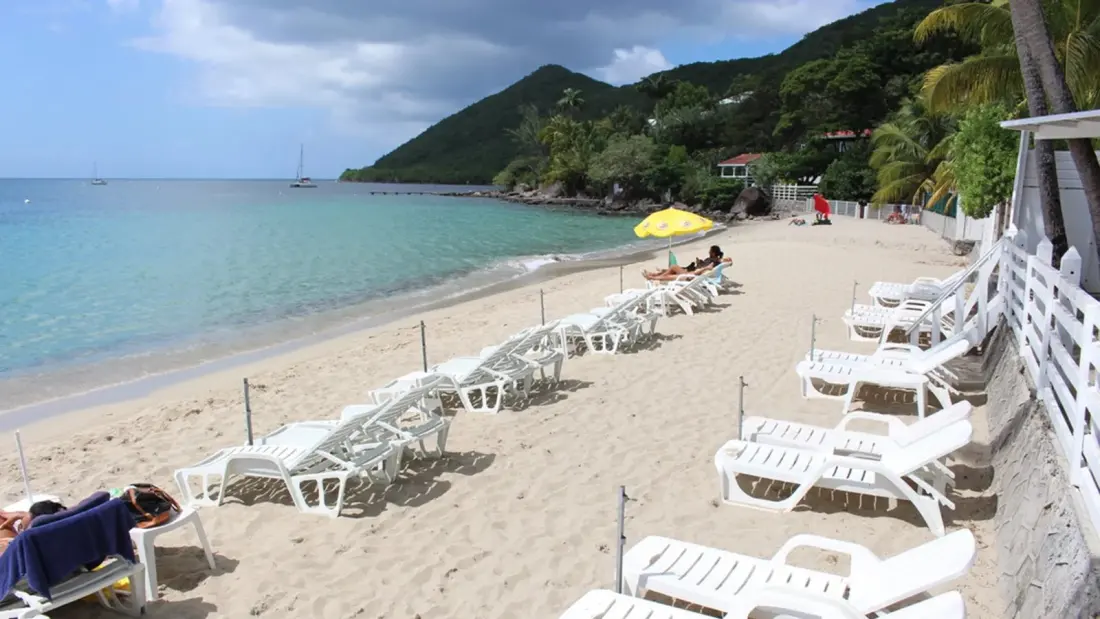
Start your beach tour in the south at Les Salines near Sainte-Anne, arguably the island's signature stretch: a long arc of white sand shaded by leaning coconut palms, with snack shacks close by. For something smaller, Anse Dufour on the southwest coast swaps the big sweep for fishing boats and village life.
The black sand is a short hop away. Anse Noire sits next door to Anse Dufour, reached down a staircase to a dark cove with a wooden jetty — the contrast between the two is one of the island's best one-two punches. Further north, Anse Couleuvre sits under steep, forested slopes below Mont Pelée; bring water and snacks since there's little on hand.
For a slower afternoon, base yourself at Les Anses-d'Arlet, where a waterfront church faces the pier, colourful houses line the shore and the bay is calm enough for snorkelling. Grande Anse d'Arlet next door adds more boats and more beachfront restaurants — this is toes-in-the-sand lunch country. On the Presqu'île de la Caravelle, Baie du Trésor offers golden sand ringed by mangroves, and pairs well with the peninsula's walking trails and the fishing village of Tartane.
For the pink sand, you'll need a boat. Îlet Loup-Garou, off the Atlantic coast, is known for it, plus seabirds and nesting turtles — go with a local operator who knows the reefs and access rules.
Then there's everything that isn't a beach. Martinique is French territory, so breakfast means proper bakery croissants, lunch means accras, and dinner means Creole cooking. Standouts include Le Petibonum in Le Carbet, chef Guy Ferdinand's beachfront spot, and French Coco in Tartane, a gourmet restaurant attached to a boutique hotel with private plunge pools.
Rum deserves its own itinerary. Martinique makes rhum agricole from fresh sugarcane juice rather than molasses, and three distilleries cover the range. Depaz near Saint-Pierre is the most scenic, with Mont Pelée looming behind gardens and a château. Neisson in Le Carbet is the connoisseur's pick, small and hugely respected. La Favorite on the edge of Fort-de-France is the rawest and most beloved — you get close to the actual machinery and production.
Who is this for? Travellers who find the usual all-inclusive island formula a bit flat. Martinique rewards a rental car, an appetite and a willingness to switch beaches, languages and rum tastings within a single day. With the new Miami connection, a long weekend is genuinely doable — white-sand morning, distillery stop, beachfront lunch, repeat.
Thanks to Caribbean Journal for the original report.