If you passed through Philadelphia International Airport late on Sunday 13 September, health officials want you to check your vaccination records. An infected traveller moved through Terminals B and F and the connecting areas of C, D and E between 7:25pm and just past midnight, according to the Philadelphia Department of Public Health. The person never left the airport, but that's all it takes: measles lingers in the air for up to two hours after an infectious person has moved on.
It wasn't an isolated alert. Days earlier, on 11 September, a possible exposure was reported at the Children's Hospital of Philadelphia. There, officials have been working to give potentially exposed infants a preventative antibody to reduce the risk of severe illness. City Health Commissioner Dr Palak Raval-Nelson called the paired incidents a nudge to make sure vaccinations are up to date.
The timing matters. The US is in the middle of a serious measles resurgence. The CDC had logged 3,659 confirmed cases by 24 September 2026, well above the 2,289 recorded in all of 2025, with cases in 47 jurisdictions. Pennsylvania is the epicentre, with 903 cases and four deaths this year, followed by South Carolina (670) and Utah, while Texas, Virginia, Wisconsin, Florida, Ohio and Arizona have each passed 100 cases.
For travellers, the key facts are simple. Measles is extremely contagious — the health department notes that up to 9 in 10 unprotected people nearby may catch it. Early symptoms look like a cold: fever, cough, runny nose and red, watery eyes, followed a few days later by a rash starting on the head and spreading downward. They can appear up to 21 days after exposure, so a clean bill of health immediately after a flight means little.
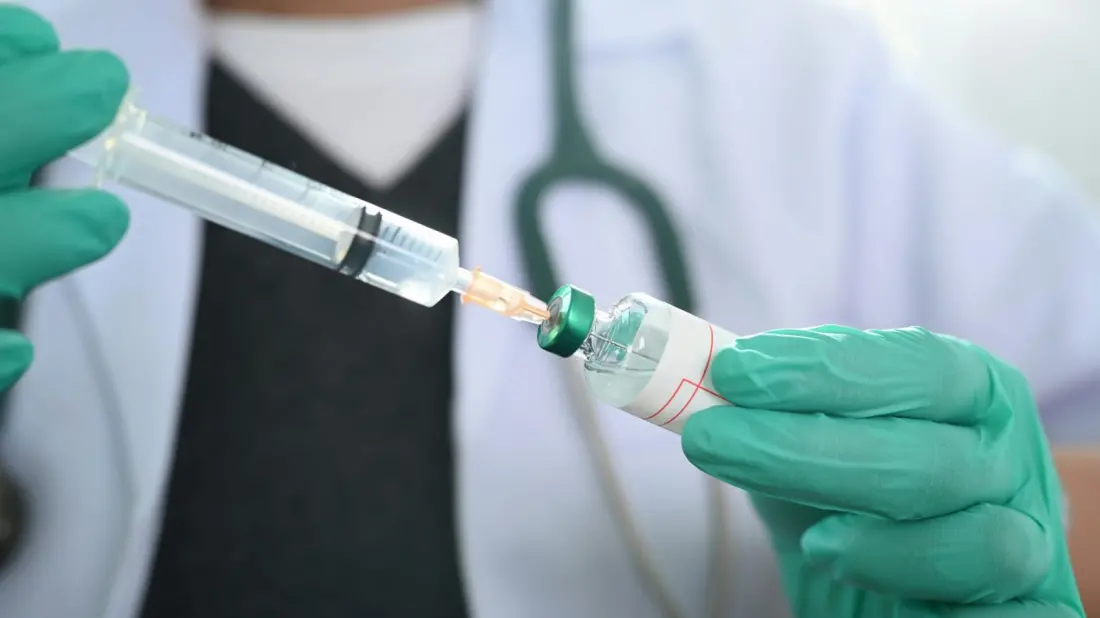
The reassuring part: two doses of the MMR vaccine give 97% lifetime protection, so fully vaccinated travellers have very little to worry about. If you're unvaccinated, unsure of your status, pregnant or immunocompromised, contact a doctor promptly after any potential exposure — post-exposure treatment can still prevent or soften the illness. And if symptoms do show up, call ahead before turning up at a clinic so staff can take precautions.
Anyone transiting busy US hubs this autumn should treat vaccination status as part of the pre-trip checklist, right alongside passports and boarding passes.