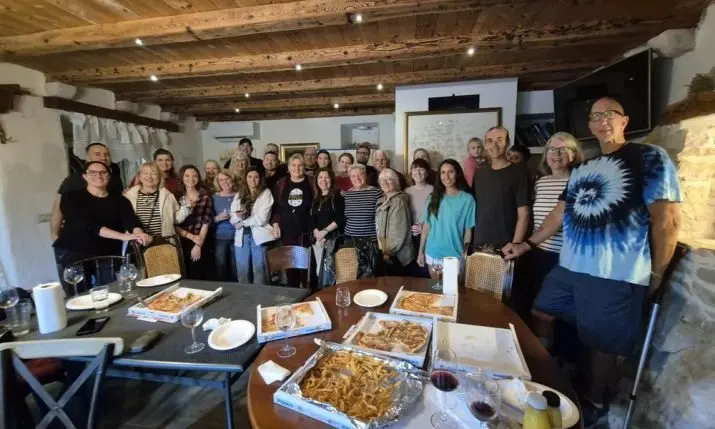
In the tiny coastal village of Mokalo on Croatia's Pelješac peninsula, a family has just pulled off a reunion most of us can barely imagine: the Mrgudić clan gathered to celebrate 400 years of shared history, with relatives flying in from California and Chile to stand on the ground their ancestors worked centuries ago.
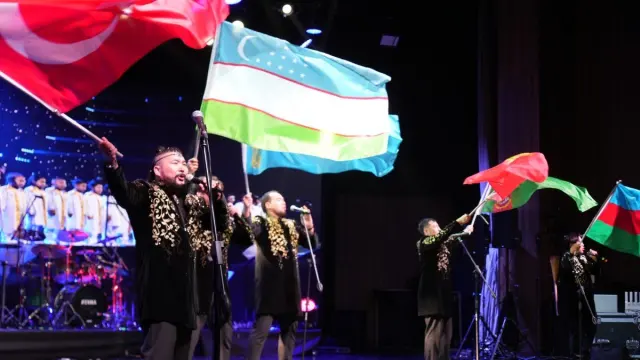
The event, dubbed the Mrgudić Festa, was a properly international affair. Croatian, American and Chilean flags flew together, and the party ran in three languages — Croatian, English and Spanish. For a family scattered across half the planet, it was a chance to swap memories, honour the generations who kept traditions alive, and put faces to names that had previously lived only in family lore.
Naturally, the food and drink did a lot of the talking. Guests ate traditional dishes from the Pelješac region and washed them down with wines from the Bura-Mrgudić winery, including Dingač — one of Croatia's most respected reds, made from the Plavac Mali grape on the peninsula's steep southern slopes. That area has been growing vines for generations, and the wine is as much a piece of family identity as any surname.
There was music too: Dalmatian songs, dancing and long shared meals, the kind of hospitality the region is known for. And rather than being a one-off, the Festa is set to become a recurring tradition, rotating between Mokalo, California and Chile. Future editions are planned around the feast of St Blaise on 3 February — a saint with deep roots in the Dubrovnik region and a special meaning for emigrants and their descendants who still call it home.
Why does a single family's party matter to travellers? Because it captures what makes Pelješac special. This is a peninsula where heritage runs deep — family wineries, centuries-old villages and a strong tradition of emigration and return. The Dingač wine region is a draw in itself, with small family cellars around Potomje and the villages of the southern coast welcoming visitors for tastings. Mokalo sits near Orebic, a ferry ride from Korcula and a short drive from Dubrovnik, making it an easy addition to a southern Dalmatia itinerary.
For anyone with Croatian roots — and there are large diaspora communities in the US, Chile, Argentina and Australia — the Mrgudić story is a nudge to make the ancestral trip. Village festivals, parish feast days and family wineries are often open to visitors, and February's St Blaise celebrations in Dubrovnik are among the country's most atmospheric events. You don't need 400 years of history to feel the pull; a good glass of Dingač and a view over the Adriatic will do most of the work.