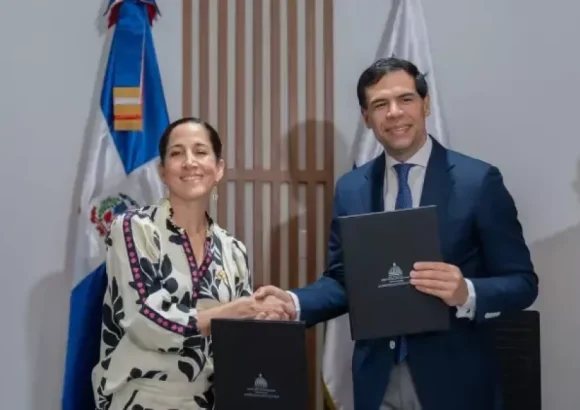
Panama and the Dominican Republic have signed a bilateral film and audiovisual co-production agreement, a deal that could soon mean more scenes of Caribbean beaches and Central American rainforests sharing the big screen. The agreement was signed during Panama's stint as guest of honour at the XXVIII Santo Domingo International Book Fair (FILSD 2026).
The pact was signed by Panama's Minister of Culture, María Eugenia Herrera, and her Dominican counterpart, Roberto Ángel Salcedo. Both countries already belong to the Latin American Film Co-production Agreement, and this new bilateral framework is designed to go deeper — pooling resources, funding routes and talent between the two nations. Herrera described the ministry's role as a bridge connecting artists and production companies, with the aim of getting private companies to invest in filmmaking. She also pointed to the creative industries' real weight in national GDP and praised the Dominican Republic's track record in film.
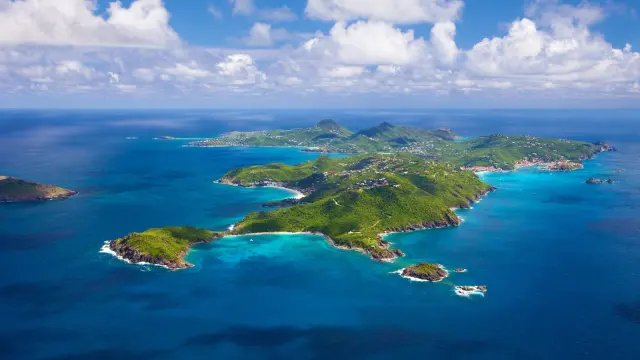
For travellers, the interesting part is what Salcedo said next: he wants co-productions built on the structure of the Dominican film law and, notably, on the landscapes of both countries. Film tourism tends to follow — when a destination shows up on screen, visitors show up after it. Expect both nations to push their scenery harder in coming years, and possibly to make it easier for international shoots to work across both territories.
The book fair context is worth a look too. Panama brought serious cultural firepower to Santo Domingo: the Panamanian National Ballet performed Swan Lake on 28 September, the Panama Symphony Orchestra — marking its 85th anniversary — played the National Theater, and more than 250 Panamanian artists took part, including over 35 exhibitions by Panamanian writers. The fair wrapped the Sunday after the signing.
Both countries are easy, rewarding pairs on a Caribbean-and-Central-America itinerary, and rising film attention is one more reason to visit before the crowds catch on.