A Florida-to-Canada thru-hike usually starts with months of planning. For Cat, a registered nurse from the US, it started with a casual conversation by a backyard fire. Three weeks later, that chat had snowballed into a commitment to walk the Eastern Continental Trail — a linked chain of routes covering roughly 4,500 miles from the Florida swamps all the way to the Canadian border.
The idea came from her husband, an experienced thru-hiker who first floated the Appalachian Trail. Within a week he'd added the Florida Trail as a warm-up for her "trail legs," and by week three the full Eastern Continental Trail was on the table. Cat kicks things off in January, which makes sense: a south-to-north route means starting in Florida's cooler winter window and timing the northern sections for late spring and summer.
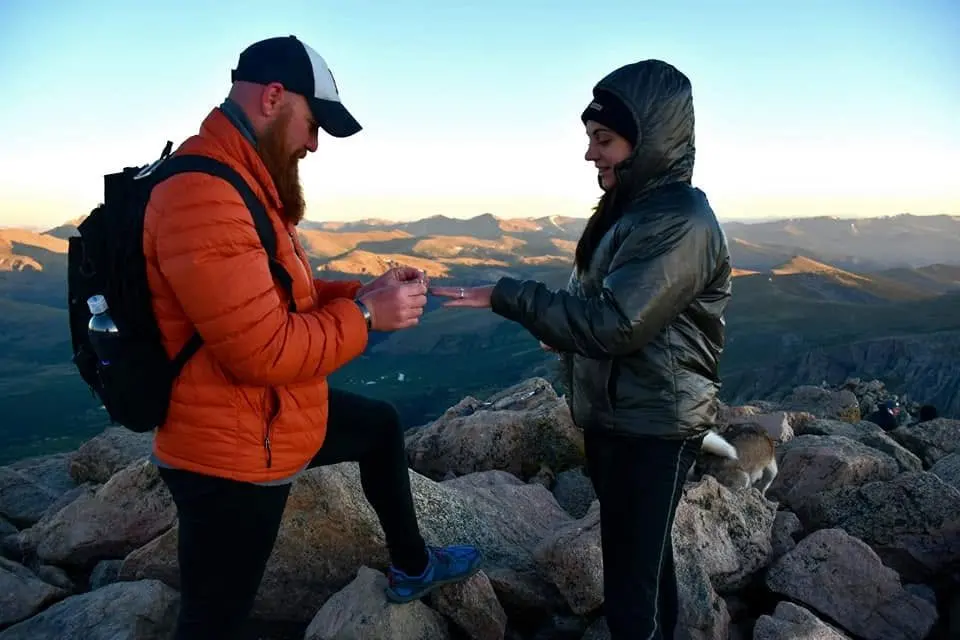
Her reasons go beyond a love of spontaneity — though she and her husband have form there. The couple has previously packed a U-Haul and moved to a state they'd never visited, exchanged vows on a Colorado mountain summit, and bought a house 14 hours away sight unseen. But nursing in ICU step-down and rehab units, plus time as a float tech across every hospital department, gave her a sharper push. Caring for patients of all ages who lost their health and independence overnight made her stop taking her own mobility for granted. The long walk is her answer: use it while you have it.
For anyone curious about mega-length thru-hiking, the Eastern Continental Trail is one of the boldest options out there. It strings together several well-known routes — most famously the Florida Trail and the Appalachian Trail, connected by road walks and lesser-known paths — into a single northbound epic. Fewer hikers attempt it than the AT or Pacific Crest Trail alone, which means fewer people on the trail but also more self-reliance required.
Cat will blog her way north, sharing updates, photos and honest accounts of the inevitable mistakes. Her plan is a nice reminder that adventure travel doesn't need a five-year roadmap; sometimes it needs one conversation, a supportive partner and a willingness to say yes three weeks in a row.
Whether you're plotting a section hike on the Florida Trail, eyeing the Appalachian Trail, or just mulling a career break that involves your own two feet, this is one to follow. It's also a good prompt: the biggest barrier to a long walk is rarely the miles — it's waiting for the perfect moment that never arrives.