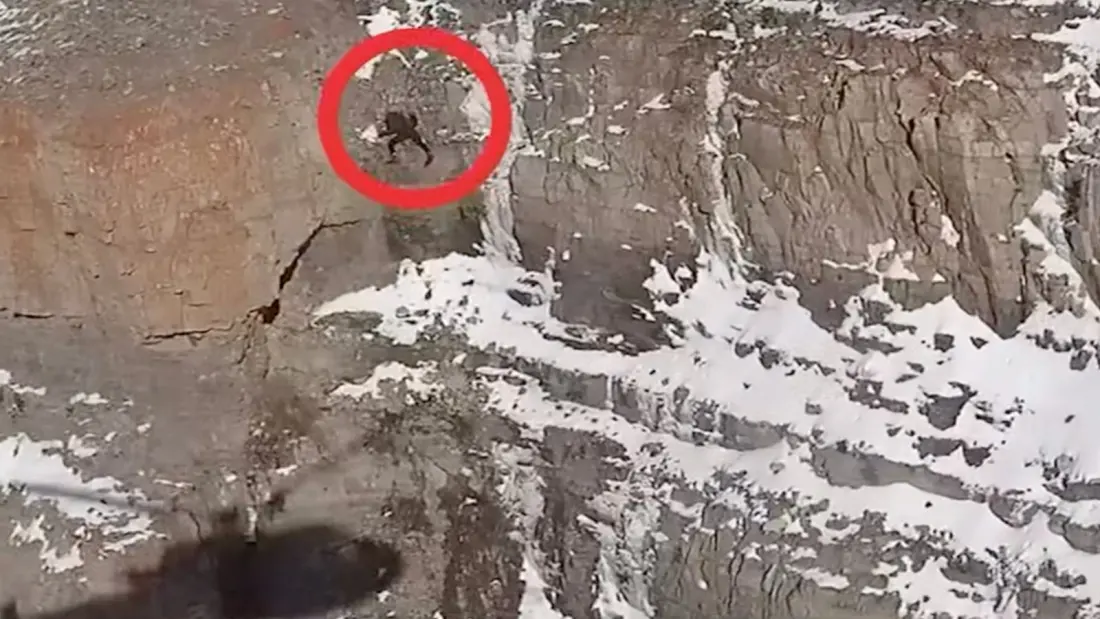
A helicopter video released by Utah authorities shows the moment rescuers hoisted a hiker off a tiny cliff ledge after she slid several hundred feet down Mount Timpanogos, an 11,700-foot peak in the Wasatch Range about 50 miles from Salt Lake City. The fall happened on October 26, when the woman, whose name has not been released, slipped off the trail near the summit and came to rest on a narrow outcrop.
The operation was a multi-agency effort. Search-and-rescue crews first located the injured hiker from an airplane, then a Utah Department of Public Safety helicopter crew moved in for a high-altitude hoist, delivering her to an ambulance crew from Lone Peak Fire Department. She was flown to Utah Valley Hospital with serious injuries. In a statement a week later, the Utah County Sheriff's Office said she was recovering well — a better ending than these incidents often have.
Timpanogos is one of the most popular hard day hikes in the region, and that popularity is part of the problem. Two routes lead to the summit — Timpooneke and Aspen Grove — each roughly 14 miles round trip, crossing snowfields and loose scree. Expect eight to 12 hours on foot for a day hike, at elevations where the air is thin and weather changes quickly. Locals flock to it in late summer, but snowstorms can start hitting the upper mountain as early as late September, leaving trails in unpredictable condition.
Rescuers pointed to a specific hazard in this incident: late-autumn snow that melts during the day and refreezes overnight, turning sections of trail into ice ramps. Their advice for anyone heading into high country in these conditions is blunt — carry mountaineering gear, including an ice axe, and know how to self-arrest if you start sliding. Foot traction and layers matter too, and turning around when the surface looks glazed over is never a wasted trip.
If you're planning a Timpanogos hike, the safest window is July through early September, starting at dawn to beat afternoon storms. In shoulder season, check recent trip reports and the forecast before committing, and treat early-season snowfields with the respect they'd get in midwinter. The rescue is a reminder that this is real mountain terrain, not a paved trail with a view — fit hikers get caught out every year when a sunny morning turns slick by the summit ridge.
For travellers who love big-day hikes, the story isn't a reason to skip the Wasatch. It's a reason to time it right, pack for the conditions at the top rather than the trailhead, and know that a fun outing can become life-or-death faster than most people expect.