Beneath the 2,134-metre Mount Moncayo in Aragón, northwestern Spain, a stone village of just over 100 people carries a distinction no other place in the country can claim: Trasmoz is the only village officially excommunicated and cursed by the Catholic Church. Locals treat both as a badge of honour — and as a tourism engine.
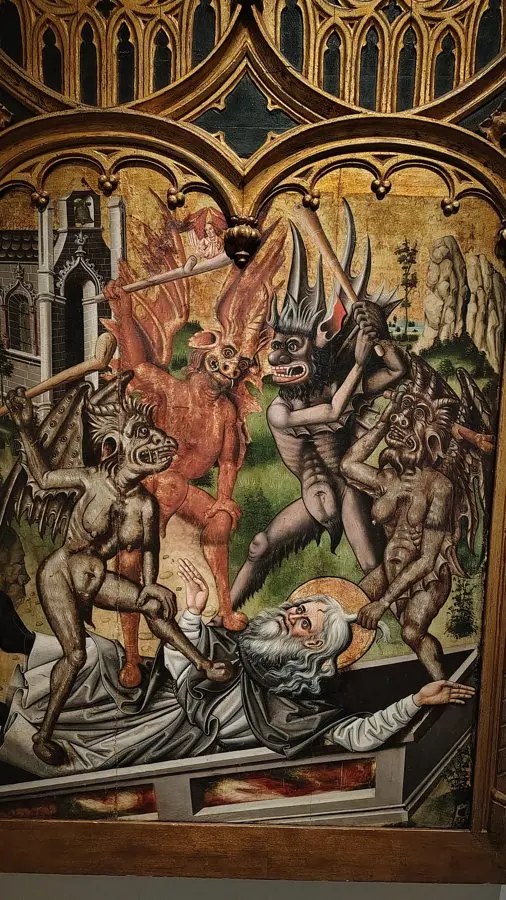
The reputation has murky, mercenary beginnings. In the 13th century, legend holds that residents of the hilltop castle were counterfeiting coins and spread rumours that the hammering of metal was witches at their cauldrons — a useful distraction. The Monastery of Veruela excommunicated the village around 1252 amid disputes over timber rights; Trasmoz's mixed Christian, Jewish and Muslim community simply refused to repent. Some 250 years later, after Trasmoz won an armed dispute over stolen water, the monastery retaliated with a curse that only a Pope can lift. On paper dramatic, in practice neither punishment stopped religious life in the village, and the Church today considers both relics of long-dead feuds.
What Trasmoz has done with this history is the interesting part. Since 2000, a cultural association has turned witchcraft into a year-round identity: a Witchcraft Fair each first Saturday of July drawing around 6,000 visitors with re-enactments of witch trials and the Curse of Trasmoz, plus the Luz de las Ánimas on 31 October, when carved skulls light the cemetery. There's a Witchcraft Museum inside the partially ruined castle, witch murals dotted around the traffic-free lanes, and an annual 'Witch of the Year' title awarded by popular vote to a woman who champions the village — a deliberate reversal of a darker past. Though Trasmoz never had witch trials, a monument honours La Tía Casca, a 19th-century herbalist murdered by a mob after being scapegoated for an epidemic.
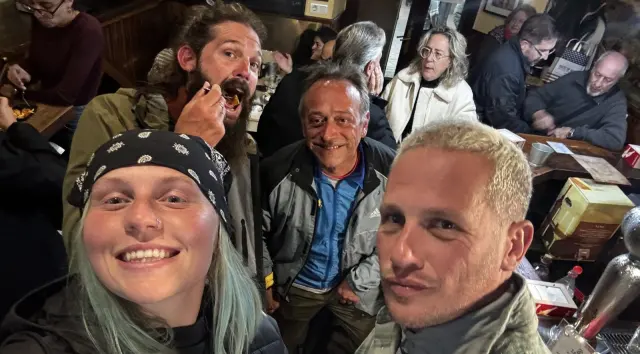
The tourism has real consequences. Squeezed by Spain's rural depopulation, Trasmoz has grown from 68 to 103 registered residents, according to its mayor, with all second homes sold and summer numbers reaching about 500. Amenities remain thin — one bar, a souvenir shop, an artisan cheese dairy — and Tarazona, the nearest town, is roughly 10 miles away, but that's part of the appeal for anyone after quiet, undeveloped countryside that one local compares to Tolkien's Edoras.
For travellers, Trasmoz works as a detour rather than a destination: pair it with Tarazona and the Moncayo natural park, time a visit for the July fair or Halloween weekend if you want atmosphere, or come off-season in January for empty streets and wide-open views from the castle. It's a rare case of a village rewriting a stigma into something genuinely celebratory — of women, difference and local history.
Story via Adventure.com.