Somewhere on the Olympic Peninsula in Washington State, someone looked at a bigleaf maple and saw a violin. Everyone else saw a tree. That gap is basically the plot of a remarkable piece of investigative journalism from Outside, now featured as a Long Read on the Outside Podcast, in which writer Nick Davidson follows the strange, forest-deep world of timber poaching in the Pacific Northwest.
Here's the setup: bigleaf maple wood, with its figuring and grain, is prized by instrument makers and can pull in thousands of dollars on the black market from a single tree. Poachers slip into public forestland, often at night, cut down choice specimens and sell the wood on. Unlike a stolen car, a felled tree doesn't have a VIN number — which is what made enforcement so hard for so long.
Then came 2018. After timber thieves accidentally started a wildfire in Olympic National Forest, federal investigators took a closer look at alleged maple poaching in the area. Their breakthrough was straight out of a crime procedural: DNA extracted from wood samples was matched back to specific standing trees, proving that material seized from suspects had been cut from particular stumps in the forest. Genetic fingerprinting, essentially, but for timber. It helped investigators tie felled trees to the men they believed were responsible, turning a hard-to-proolve pattern of forest crime into a prosecutable case.
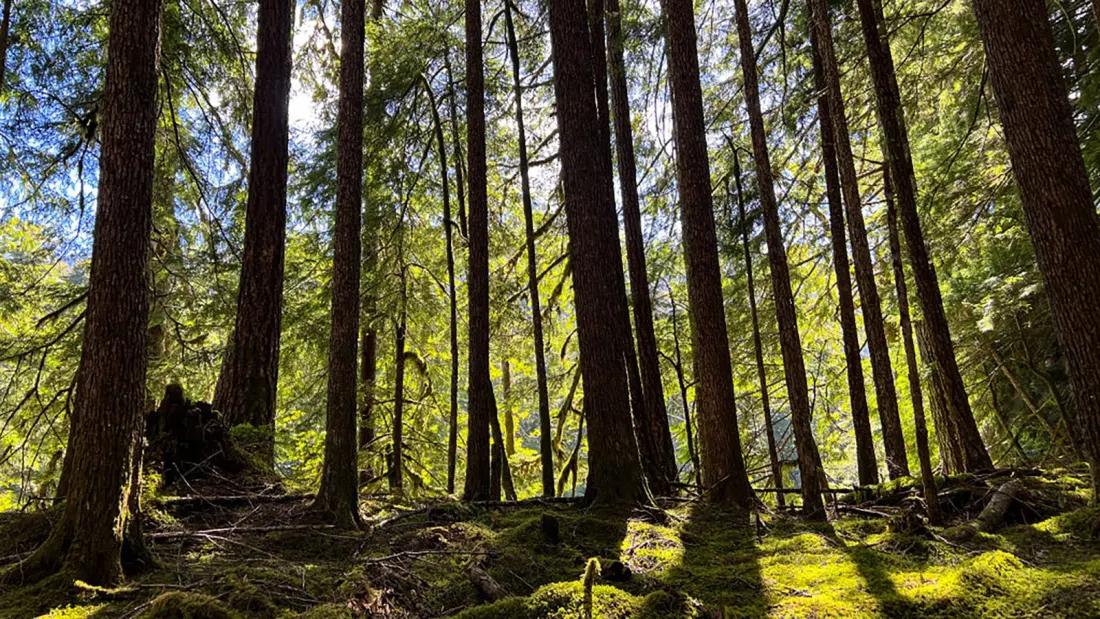
Why should a traveller care? Because the setting is one of the most extraordinary landscapes in the United States, and this story adds a layer to it most visitors never hear about. Olympic National Park and the surrounding national forest hold moss-draped rainforests at Hoh and Quinault, wild Pacific beaches at Kalaloch and Rialto, and a fog-wrapped mountain core — plus, apparently, a black market in curly maple. Walk any of the maple-studded lowland trails knowing that some of those gnarled giants are, quite literally, priceless to the right buyer.
It's also a good reminder that public lands are working landscapes with real enforcement challenges. The wildfire angle is worth taking seriously too: human-caused fires are a recurring threat on the Peninsula, and summer visitors increasingly deal with smoke and burn bans. The DNA technique pioneered in this case is now one of the more hopeful tools in the fight to keep protected forests standing.
If you're planning a Pacific Northwest trip and want to see the terrain at the heart of this story, base yourself in Port Angeles or Forks, give yourself two or three days, and mix rainforest walks with a drive up to Hurricane Ridge. You'll come back with a slightly weirder — and better — set of stories than the average park visitor.