Hawaiʻi's reefs are some of the most accessible in the world — in places you can wade in from the beach and be eye-to-eye with a green sea turtle within minutes. Hawaii Magazine has rounded up six spots across four islands that deliver the best of what's below the surface, from family-friendly bays to boat-only volcanic craters.
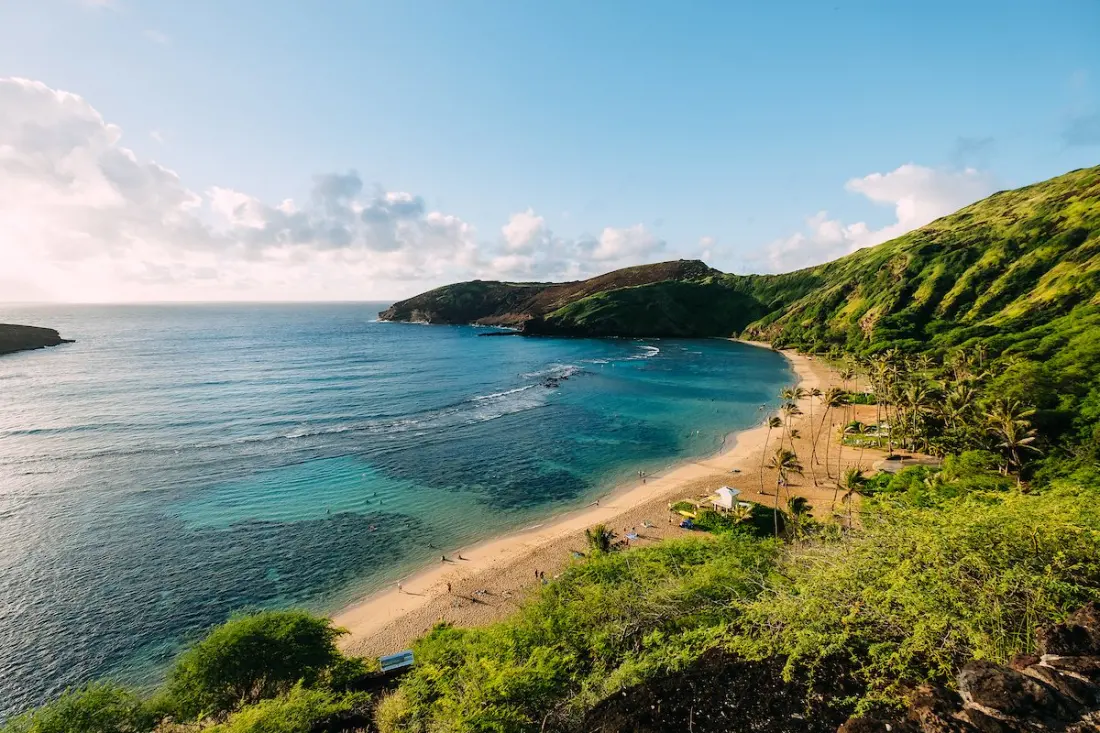
On Oʻahu, Hanauma Bay Nature Preserve remains the classic introduction. A sheltered, lifeguarded crater bay east of Honolulu, it holds hundreds of fish species — butterflyfish, parrotfish and the state fish, the humuhumunukukuāpuaʻa — and was designated Hawaiʻi's first Marine Life Conservation District back in 1967. Out-of-state visitors need to book a reservation in advance. Further north, Shark's Cove on the North Shore offers tide pools and underwater caves, with octopus and honu in the shallows for less confident swimmers. The crucial catch: it's a summer spot. Winter swells make the cove genuinely dangerous.
Maui contributes two very different options. Molokini, a crescent-shaped volcanic islet about three miles offshore, is reachable only by tour boat but rewards the trip with exceptional visibility — on clear days you can pick out yellow tangs and parrotfish from dozens of feet away. Kāʻanapali Beach, a three-mile stretch of white sand that regularly ranks among the world's best, offers easy snorkelling around Puʻu Kekaʻa (Black Rock), where turtles and Moorish idols cruise close to shore.
On Kauaʻi's North Shore, Mākua Beach — better known as Tunnels — pairs an extensive reef with dramatic underwater lava formations. Beginners should stay near shore to spot moray eels, goatfish and unicorn fish; strong swimmers can head for the outer reef when it's calm. Like Shark's Cove, it's effectively summer-only.
Rounding out the list is Kealakekua Bay on Hawaiʻi Island, about 12 miles south of Kailua-Kona. Its sheltered waters support vibrant coral, yellow tang, flame angelfish and regular visits from spinner dolphins. It's also steeped in history: Captain Cook landed here in January 1779 and was killed weeks later, and a white obelisk and the Hikiau Heiau — a religious site tied to the Hawaiian god Lono — stand on the shore.
Two themes run through every recommendation. First, timing: the north-facing spots on Oʻahu and Kauaʻi flip from calm to treacherous with the winter swell season, so plan accordingly and always check ocean conditions before getting in. Second, respect: Hawaii Magazine stresses keeping distance from marine life, never touching coral or animals, and skipping the swim entirely if conditions look questionable. With decent gear and a bit of caution, these six sites cover every level from first-time snorkeller to seasoned freediver — and they're scattered enough that you could build an entire island-hopping trip around them.