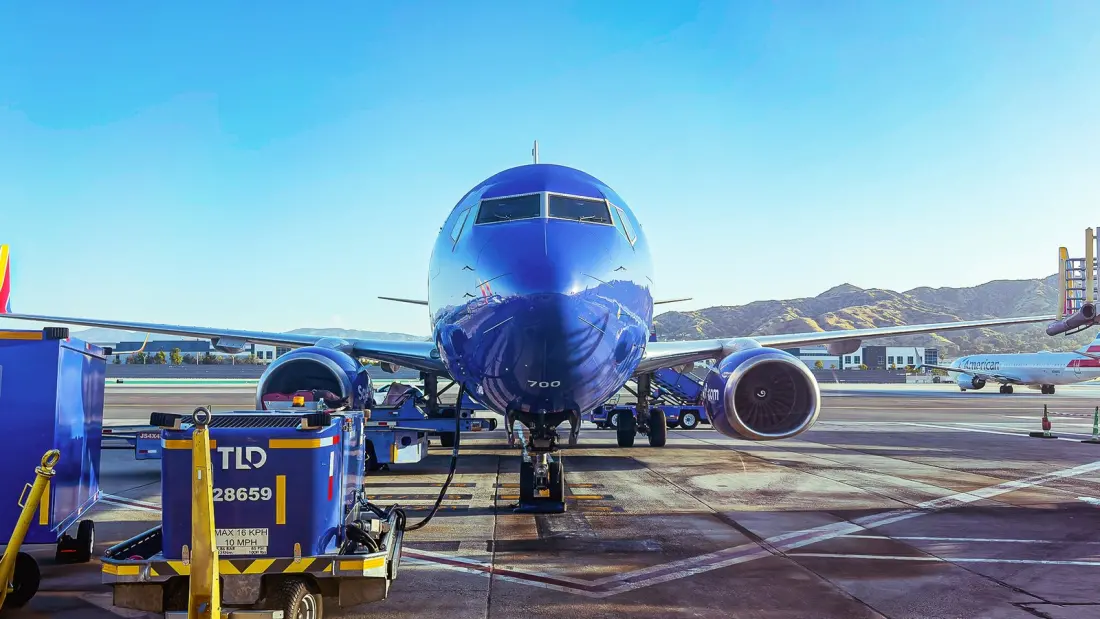
Southwest Airlines, the world's biggest operator of the Boeing 737 Next Generation, has committed to retiring all 571 NG aircraft by the end of 2031 in favour of an all-MAX fleet. Around 450 of those jets are still flying — 262 737-700s and 188 737-800s — and they remain the backbone of the airline's dense domestic US network. The catch for travellers: the timeline depends heavily on Boeing's delivery pace, so NGs will keep showing up on departure boards well into the next decade.
Why ditch planes that still have plenty of life left in them? Economics. The MAX 8 burns roughly 14% less fuel than the NG and seats 175 passengers in Southwest's single-class layout versus 143 on a 737-700. On busy routes, that means more revenue per departure without adding aircraft or gate space at crowded airports. A younger fleet also means fewer maintenance surprises and better schedule reliability.
The transition is a huge logistical puzzle. In 2025 Southwest retired 55 NGs and took 55 MAX 8s, with roughly 66 MAX deliveries and 60 retirements planned in the cycles that follow. Chief financial officer Tom Doxey has acknowledged the pace is tethered to Boeing's production and certification timelines — the MAX 7, a smaller variant still awaiting clearance, is part of the plan. Supply chain hiccups have pushed fleet timelines back across the industry, and Southwest's end-of-2031 target is more of a horizon than a hard deadline.
The departing jets aren't headed for the scrapyard. Demand for secondhand 737-700s and -800s is strong among regional carriers and lessors, and the 737-800 has found a lucrative second act as a cargo plane: operators completed 265 passenger-to-freighter conversions between January 2020 and August 2026, per analytics firm IBA. So the aircraft family will keep flying globally long after it disappears from Southwest's roster.
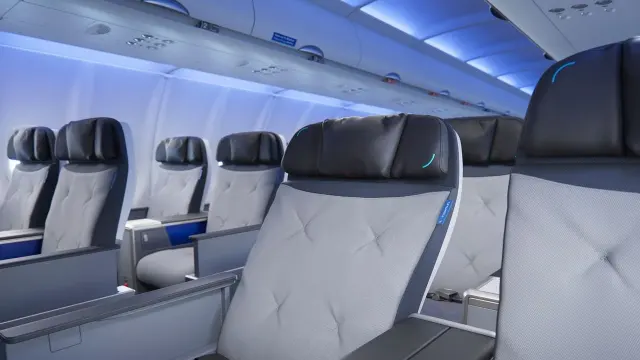
For passengers, the practical takeaway is that the airline knows it can't let its remaining NG cabins slide while waiting for new metal. Select 737-700s expected to serve through the twilight years are getting refurbishments — updated seat materials, modern lighting and refreshed bulkheads that echo the MAX interiors. In other words, whether your next Southwest flight is on a 20-year-old -700 or a brand-new MAX 8, the cabin experience should feel broadly consistent.
This story matters most to frequent flyers within the United States and to aviation enthusiasts tracking the shift from one era of the 737 to the next. For holidaymakers, it's simply reassurance: the airline's famous single-type fleet is changing its technology, not its onboard product, and the planes you're least excited to see on your itinerary are being retired as fast as Boeing can replace them.