Cross-country skiing is having a moment in the United States, and a big new gear test explains why: there's now a ski for nearly every fitness level and snow condition. Testers in the Midwest and Maine spent a season putting 56 demo models through their paces across three styles—skate, classic, and backcountry—and whittled the field down to six standouts. Together they logged 960 kilometres on groomed tracks, frozen lakes, and fresh powder.
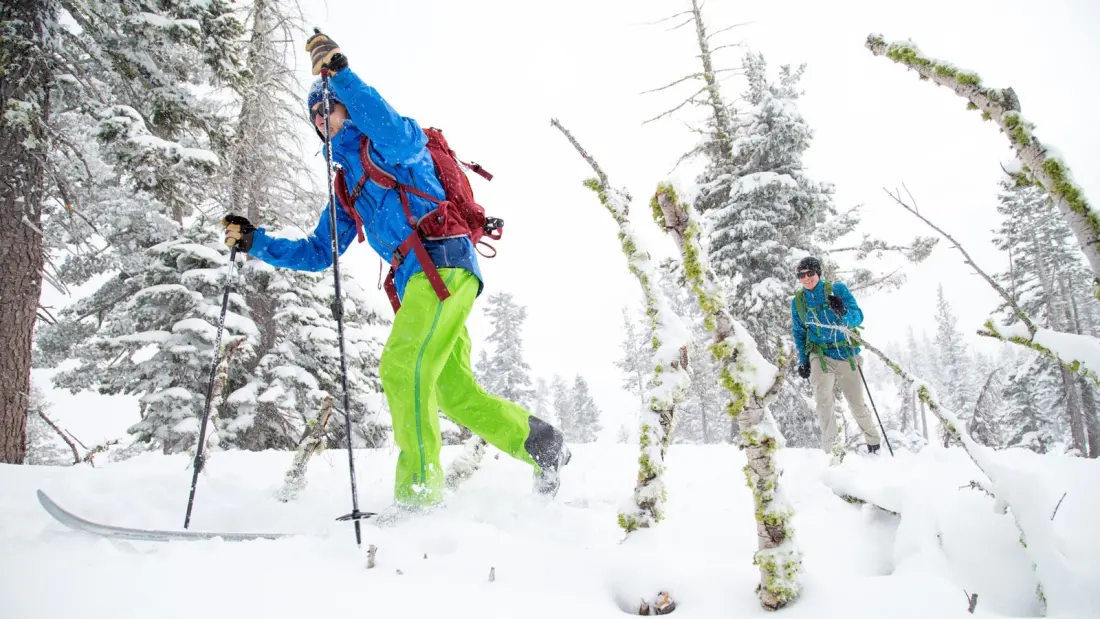
The all-around winner was the Salomon Escape Outpath 65, named the most versatile ski for skiing both in and out of groomed tracks. Its narrow 55mm waist slots neatly into machine-cut tracks, a soft recycled-ABS tip adds flotation and easy control, and metal edges inspire confidence on icy descents. Testers called it snappy, energy-conserving, and remarkably un-squirrelly downhill—though it struggles once fresh snow tops four inches. For deeper stuff, the Rossignol BC85 Positrack (85mm tip, full metal edges) handled everything from wind-scoured crust to ten inches of powder, while the lighter Fischer S-Bound 98 Crown/Dual Skin floated well in 18 inches of fresh snow near Maine's Medawisla Hut and posted the best grip of the whole test.
Skate skiers got two picks. Beginners were pointed to the Fischer Speedpro 50 Skate, a rare budget race ski that borrows the air-core construction of Fischer's elite models—light, stable, and cheap enough for a first-timer. Testers skied it through slush and icy crud at Duluth's Spirit Mountain Nordic Center without a wobble. More committed racers should look at the new Salomon Equipe Pro Skate, which replaces the S/Max and is 20 percent lighter thanks to a paper-and-glue air core, while staying notably stable on hilly routes like the 25-kilometre Picnic Loop in Minnesota's Superior National Forest.
For classic skiing, the Atomic Pro C2 Skintec took the recreational crown. A ten-year best seller that got a substantial makeover in late 2025—about eight percent lighter, with an easier-kicking camber—it performed in everything from February slush to sub-zero March mornings, and comes with a durable 100 percent mohair skin rated for roughly 1,000 kilometres.
Why does this matter for travellers? Nordic skiing is one of the cheapest ways to enjoy winter—many trail networks charge modest day fees compared to lift tickets—and the sport's growth means more rental fleets and groomed trails at destinations from Minnesota and Maine to Scandinavia and the Alps. If you're thinking of buying rather than renting, this test is a useful shortcut: match the ski to where you'll actually ski (groomed tracks, variable mountain terrain, or off-trail powder) rather than to the spec sheet. First-timers should also note the basics: skate skiing uses a fast V-shaped stride, classic is closer to gliding walking, and backcountry skis are wider with grippy scaled bases for unpacked snow.