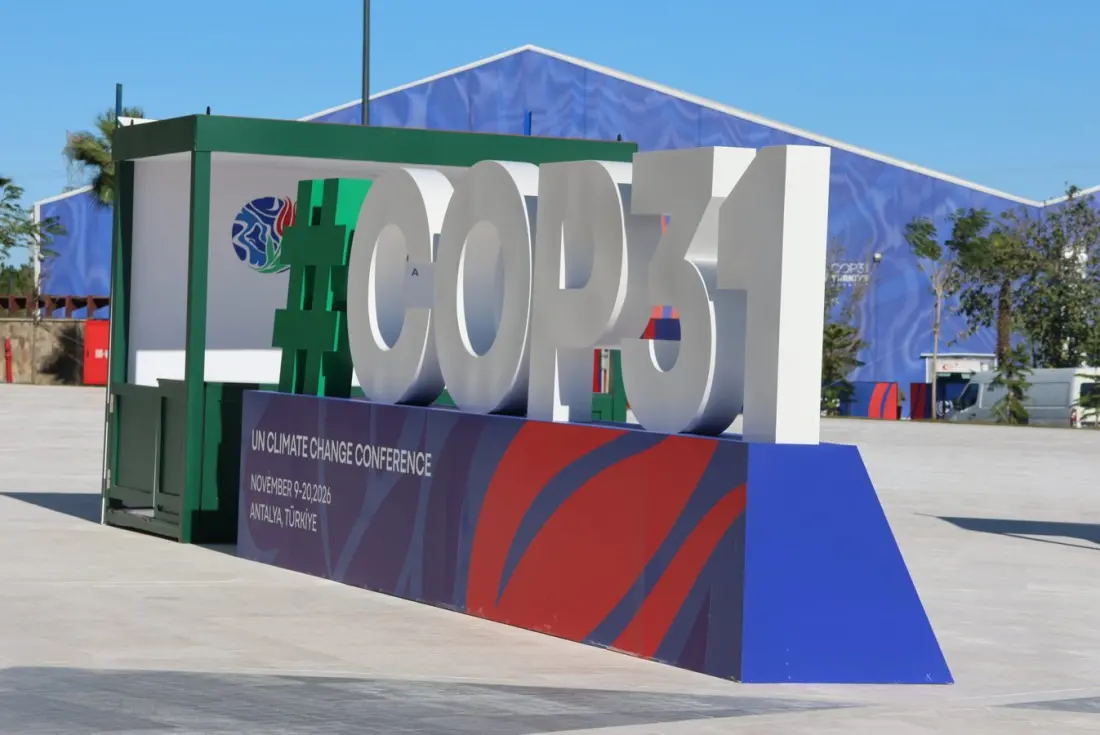
The Pacific Islands Forum has arrived at the COP31 climate summit in Antalya, Türkiye (9–20 November) with a blunt request: stop promising, start delivering. Forum chair and Palau President Surangel Whipps Jr framed the stakes in personal terms — every year of delay is measured in eroding coastlines, damaged reefs and lost homes across low-lying island nations.
The region's negotiating position rests on two formal declarations. The first is the 2019 Kainaki II Declaration, endorsed by leaders in Tuvalu, followed by the Belau Declaration agreed at the 55th Forum Leaders Meeting in Palau, which commits the Pacific to keeping the 1.5°C goal within reach. Both push for faster global emissions cuts, stronger ocean protection and climate finance that smaller nations can actually access. Pre-COP meetings in Fiji and Tuvalu in October sharpened these priorities ahead of the main event.
One concrete ask dominates the agenda: money. The Forum's Pacific Resilience Facility is a treaty-backed, Pacific-owned fund designed to channel money straight to communities rather than through slow international bureaucracies. It is currently more than USD $300 million short of its first funding target, and Whipps has pitched Antalya as the moment for development partners to close that gap. His argument got a boost from the International Court of Justice, which has confirmed that climate obligations are binding on states — a legal backing the Pacific intends to lean on throughout the talks.
The Forum is also coordinating its message through a group called the Pacific Political Climate Champions, whose job is to keep the region's collective voice audible among the larger economies at the table. The broader goal is what Pacific leaders call the Blue Pacific Continent — protecting the ocean territory and communities that make up the region's shared identity.
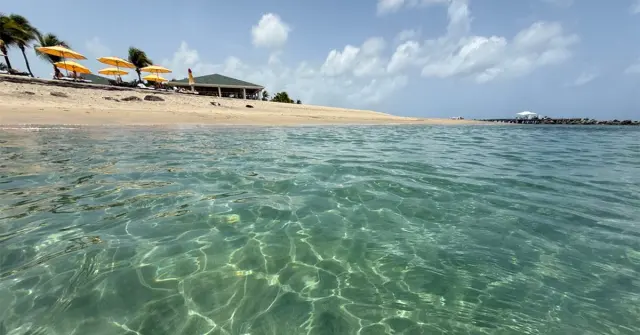
Why should travellers care? Because the destinations many dream about — Fiji, Tuvalu, Palau, Vanuatu and their neighbours — are on the front line of sea-level rise and reef degradation, and the funding structures being negotiated now will shape how well those islands adapt. Tourism is central to several Pacific economies, so outcomes at COP31 affect everything from coastal infrastructure to the health of the reefs visitors come to snorkel. Travellers who want their trips to support, not strain, these places can follow the Pacific Resilience Facility's progress and favour operators and bookings that channel money to local communities — exactly what the PRF is designed to do. The summit runs until 20 November, and the Pacific delegation has made clear it will judge success in deliverables, not declarations.